
Finding the Right Speciality Frozen Pizza in the UK: Our Top Recommendations for 2026
Finding a convenient meal that doesn't compromise your dietary needs or health goals can be a challenge. The frozen aisle, once a sea of limited choices, is now filled with options, making it difficult to know which speciality frozen pizza is right for you. Whether you need a high protein pizza to support your fitness routine, a gluten free pizza for dietary reasons or a satisfying plant-based pizza, the choice matters.
This guide is designed to help you navigate the options. As Joybuy's Product Recommendation Officer, my role is to filter the market information and provide clear, practical advice, helping you find a quick oven pizza that genuinely fits your lifestyle.
A Quick Guide to Choosing Your Pizza
Before we look at specific products, here are a few key points to consider when you're browsing the freezer section.
1. Read the Ingredients for Your Dietary Needs
Labels are your most reliable source of information. If you're looking for a vegan pizza, check that all ingredients, including any cheese alternatives, are certified plant-based and that there are no hidden animal-derived products. For a celiac friendly pizza, look for clear "gluten-free" statements and check the ingredients list for potential cross-contamination warnings. A truly dairy-free pizza will explicitly state the absence of milk in its allergens list.
2. Match the Nutrition to Your Goals
A pizza can be more than just a treat; it can be a functional meal. If you're seeking a frozen protein meal, compare the protein content per 100g or per serving. A good high protein pizza will often have a fortified base or be generously topped with lean protein sources. Conversely, if you're monitoring other macronutrients, pay attention to the carbohydrate, sugar and fat content to ensure it aligns with your personal targets.
3. Consider the Crust
The base of the pizza defines its texture and contributes significantly to its nutritional profile. Traditional wheat flour bases offer a classic chew. Gluten-free options often use a blend of corn, rice or potato starch to create a crispy finish. Some speciality pizzas even use protein-enriched flours, like broad bean flour, to boost their nutritional value.
Our Top Recommendations for 2026
Here are our recommendations for speciality frozen pizzas that cater to specific dietary requirements, selected for their clear features and ingredient transparency.
For the Protein Seeker: Applied Nutrition Meat Feast Protein Pizza 390g
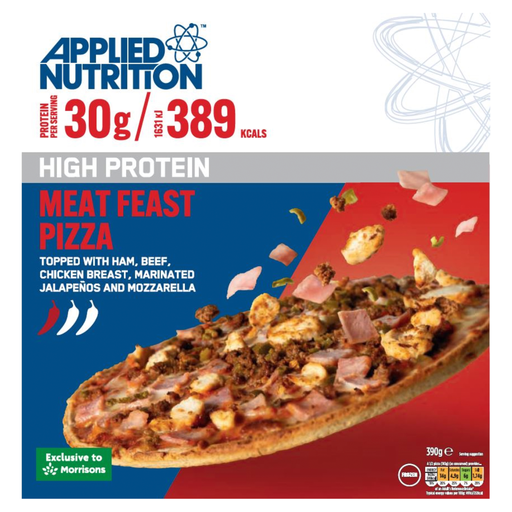
- Why It Stands Out: This pizza is specifically formulated for those looking to increase their protein intake. With 30g of protein per serving, it stands apart from standard frozen pizzas. The base incorporates broad bean flour alongside traditional wheat flour to help achieve this higher protein content. It's topped with a combination of mozzarella, formed ham, cooked beef and chicken breast, making it a substantial meal.
- Pros:
- High in protein, making it a suitable frozen protein meal.
- Generous meat toppings for a classic "meat feast" flavour.
- Includes marinated jalapeños for a mild spicy note.
- Who is it for? This pizza is ideal for fitness enthusiasts looking for a convenient post-workout meal or anyone wanting a more filling, protein-rich dinner without extensive preparation.
For the Gluten-Free Diner: Goodfellas Gluten Free Pepperoni Pizza 317g
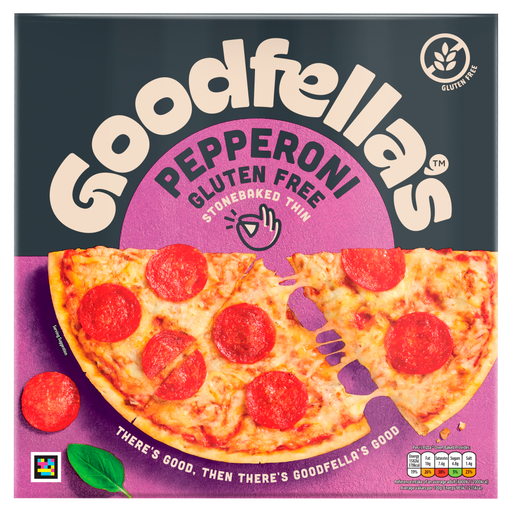
- Why It Stands Out: Goodfellas offers a classic pepperoni pizza experience on a base that is entirely free from gluten. The crust is made from a blend of corn flour, rice flour and potato starch, designed to deliver a crispy texture. It provides a reliable option for households where a celiac friendly pizza is needed, without asking anyone to miss out on a popular flavour.
- Pros:
- Completely gluten-free base.
- Classic pepperoni, mozzarella and tomato puree topping.
- A straightforward and familiar choice for family pizza nights.
- Who is it for? This is a great choice for individuals with coeliac disease, a gluten intolerance or anyone who prefers to follow a gluten-free diet but still craves the taste of a traditional pepperoni pizza.
For the Plant-Based Palate: Dr. Oetker Ristorante Vegan Pepperoni-Salame Pizza 295g
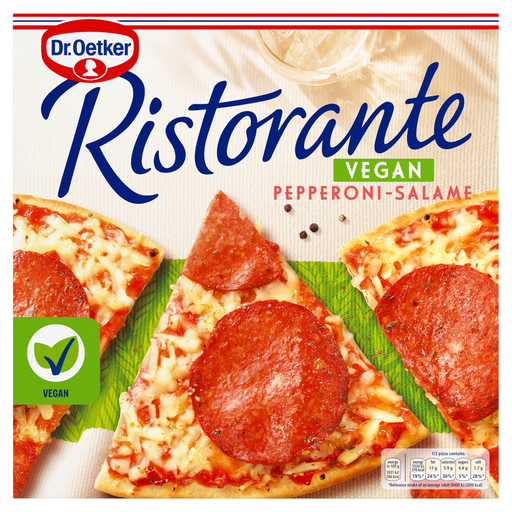
- Why It Stands Out: This pizza successfully recreates a pepperoni-style pizza using entirely plant-based ingredients. It features a dairy-free mozzarella alternative made with a coconut oil base and vegan pepperoni-style salami crafted from pea and faba bean protein. It delivers the thin, crispy crust characteristic of the Ristorante range, making it a sophisticated vegan pizza option.
- Pros:
- 100% plant-based and suitable for vegans.
- Uses a dairy-free cheese alternative.
- Features a thin and crispy crust for an authentic pizzeria feel.
- Who is it for? Perfect for vegans, individuals with a dairy allergy or anyone curious about trying a high-quality plant-based pizza that doesn't skimp on classic flavours.
Looking for More Options?
The three products highlighted here are excellent starting points for specific dietary needs. However, the world of speciality frozen pizza is constantly expanding. If you haven't found the perfect fit or wish to explore other flavours and types, there are many more choices available.
Explore Our Full Range of Frozen Pizzas
Frequently Asked Questions
How can I improve the taste of a frozen pizza?
To enhance any quick oven pizza, consider adding fresh toppings before baking, such as sliced bell peppers, red onions or fresh basil. A drizzle of extra virgin olive oil or a sprinkle of dried oregano can also elevate the flavour. Always ensure the oven is fully preheated to the recommended temperature to achieve the best possible crust texture.
Are gluten-free pizzas a healthier choice?
A gluten free pizza is an essential choice for individuals with coeliac disease or gluten sensitivity. For others, whether it is "healthier" depends on its overall nutritional composition. Some gluten-free bases may be higher in sugar or fat to achieve a desirable texture. It's always best to compare the full nutritional information against a standard pizza to see which better aligns with your personal health goals.
How should I store a speciality frozen pizza?
All frozen pizzas should be stored in a freezer at -18°C or colder. Keep the product in its original packaging to protect it from freezer burn. Once thawed, it should not be refrozen, so only remove it from the freezer when you are ready to cook it. Always check the packaging for the "best before" date.