
Our Top Recommendations for Pet Safe Pest Control in 2026
Finding uninvited guests like fruit flies, moths or gnats in your home is frustrating. The challenge is finding a solution that works without introducing harsh chemicals, especially when you have curious pets and young children to consider. Many of us are looking for effective pet safe pest control that keeps our homes clean and our families protected.
As a Joybuy Product Recommendation Officer, my role is to help you navigate the options. This guide focuses on practical, chemical-free pest solutions for common household intruders, allowing you to manage pests with peace of mind. We will explore what to look for in a safe product and highlight a few recommendations for specific problems.
Choosing Safe and Effective Indoor Pest Control
Before making a purchase, it helps to understand what makes a product both safe and suitable for your home. Here are a few key points to consider when searching for non-toxic pest control.
1. Identify the Pest and Target Your Approach
The first step is to know what you are dealing with. A fruit fly trap for kitchen areas works differently from clothes moth traps designed for wardrobes. Fungus gnats buzzing around your houseplants require a different solution altogether. Pinpointing the pest ensures you choose a targeted and effective product, avoiding the need for broad-spectrum chemical sprays.
2. Prioritise Physical Traps and Barriers
The safest options for homes with pets and children are often those that rely on physical mechanics rather than chemical agents. Look for products that use:
- Sticky Surfaces: Traps that use a non-toxic adhesive to capture insects.
- Natural Lures: Attractants made from food-grade or plant-based ingredients to draw pests in.
- Physical Barriers: Materials that block pests from accessing breeding grounds, such as soil in houseplants. This is a core principle of natural indoor pest control.
3. Assess Placement and Design
A well-designed child safe bug trap should be both effective and discreet. Consider where the pest problem is located. For kitchens, you'll want something that can be placed near food without risk. For living areas or bedrooms, a trap that blends in with your decor is ideal. Always check the manufacturer's instructions for correct placement to maximise effectiveness while keeping it out of the immediate reach of toddlers and pets, even if the product is non-toxic.
Our Top Recommendations for 2026
Based on the principles of safety and targeted effectiveness, here are our recommendations for managing common indoor pests.
CLEAR Fruit Fly Trap
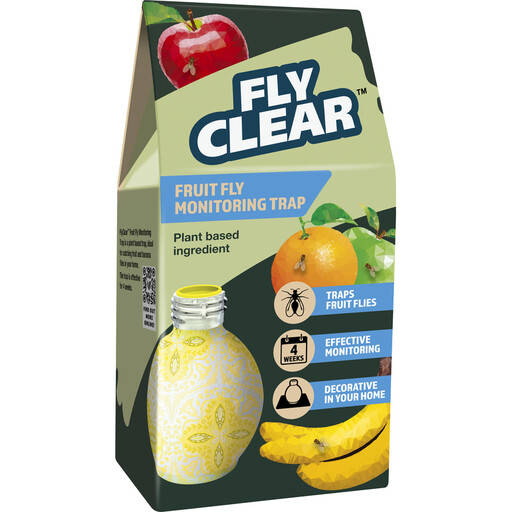
Why It Stands Out: This trap addresses the common issue of fruit flies in the kitchen with a design-conscious approach. Instead of an unsightly sticky strip, it uses a decorative bottle that blends into your home. Its effectiveness comes from a plant-based active ingredient that lures fruit flies in, trapping them inside.
Pros:
- Chemical-Free Lure: Uses a plant-based attractant, making it suitable for use near food preparation areas.
- Discreet Design: The decorative bottle looks more like a small vase than a pest trap.
- Long-Lasting: Provides continuous monitoring and trapping for up to four weeks.
Who is it for? This is an ideal solution for anyone dealing with fruit flies around fruit bowls, sinks or compost bins who wants an effective but subtle and non-toxic option.
CLEAR Clothes Moth Trap 2 Pack
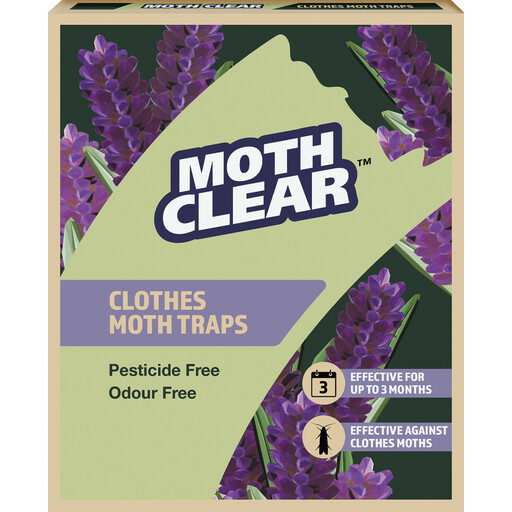
Why It Stands Out: Protecting wool, silk and other natural fibres from clothes moths requires a solution that won't leave a chemical smell on your garments. This trap is completely pesticide-free and odour-free. It uses a powerful attractant to lure adult moths onto its sticky surface, helping to interrupt their breeding cycle and protect your clothing.
Pros:
- Pesticide-Free: Safe for use in wardrobes, drawers and storage chests where children or pets may have access.
- Odour-Free: Protects delicate fabrics without leaving any chemical residue or scent.
- Slim and Discreet: The thin profile allows it to be hung or placed in tight spaces without being obtrusive.
Who is it for? Households looking to protect valuable clothing and textiles from moth damage without using traditional, strong-smelling mothballs or chemical sprays.
Zero In Gnat Barrier 1L
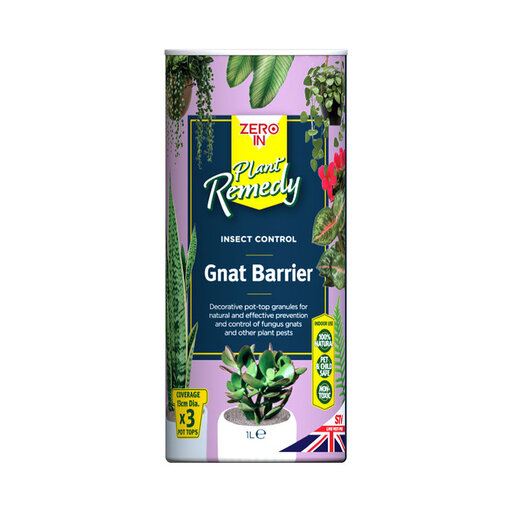
Why It Stands Out: For plant lovers, fungus gnats are a persistent nuisance. The Zero In Gnat Barrier offers an excellent fungus gnat treatment for houseplants by creating a physical barrier. Made from 100% natural pumice granules, it is applied as a top layer on the soil. This prevents adult gnats from laying eggs in the compost and stops emerging larvae from getting out.
Pros:
- Completely Non-Toxic: Made from natural pumice, it is safe to use around pets and children.
- Dual Function: Besides pest control, it creates a clean, decorative finish and helps the soil retain moisture.
- Breaks the Breeding Cycle: Effectively stops gnats from multiplying in your indoor plant collection.
Who is it for? Anyone with indoor plants who is struggling with fungus gnats and wants a natural, effective, and aesthetically pleasing solution.
Looking for Other Options?
While these products target some of the most common household pests, your needs may be different. If you are dealing with other types of flying insects or simply want to explore a wider variety of solutions, there are many other traps available.
For a broader selection of pest management tools, browse our full range of fly traps and find the right fit for your home.
Frequently Asked Questions
What is the safest pest control for pets?
The safest forms of pest control for homes with pets are typically non-chemical solutions. These include physical traps with non-toxic sticky surfaces, traps that use plant-based or food-grade lures and physical barriers like the pumice granules for houseplants. Always check that a product is labelled as non-toxic and pet-safe, and place it where direct contact is minimised as a precaution.
How can I get rid of bugs indoors without chemicals?
You can effectively manage indoor bugs without chemicals by adopting an integrated approach. Start by identifying the pest. For flying insects like fruit flies and moths, use targeted traps with natural attractants. For soil-borne pests like fungus gnats, use a physical barrier on your plants. Maintaining cleanliness, storing food in sealed containers and managing moisture also helps prevent infestations from starting.
Are natural pest control methods effective?
Yes, natural and non-toxic pest control methods can be very effective when used correctly. Their success depends on choosing the right product for the specific pest you are targeting. A fruit fly trap will not work on clothes moths, and vice versa. By correctly identifying the pest and using a solution designed to interrupt its specific life cycle or behaviour, you can achieve excellent results without resorting to harsh chemicals.