
Choosing the Right Painting Tools: Our Top Recommendations for 2026
A fresh coat of paint can completely transform a room, but starting the project can feel daunting. Staring at a wall of brushes, rollers and sprayers, it is easy to feel overwhelmed. The right painting tools not only make the job easier but also significantly improve the quality of your finish. This guide is designed to cut through the clutter, helping you select the most suitable DIY painting equipment for your specific task, whether you are touching up a scuff mark or repainting your entire house.
How to Choose Your Painting Tools
Before you start, considering a few key factors will ensure you invest in the right gear. Matching the tool to the job is the first step towards achieving a professional-looking finish.
1. Match the Tool to the Surface Size and Type
The scale of your project is the most important consideration. For large, flat areas like walls and ceilings, a wide wall painting roller (typically 9 inches) is your most efficient option. It covers a large surface area quickly and distributes paint evenly. For smaller, more intricate jobs like painting trim, window frames or furniture, a mini paint roller or a quality brush offers greater precision and control.
2. Understand the Difference: Rollers vs. Sprayers
Your choice between a roller and a sprayer depends on the project's demands and your desired finish.
- Paint Roller Kit: A classic choice for interior walls, a paint roller kit offers excellent control, minimal overspray and is relatively easy to clean. It is a reliable option for most indoor DIY projects, providing a consistent, lightly textured finish.
- Electric Paint Sprayer: For large-scale jobs like painting fences, decking or multiple rooms, an electric paint sprayer or paint spray gun can be a significant time-saver. It delivers a very fine, even coat that is difficult to achieve by hand, especially on textured surfaces or detailed items like latticework and furniture. Keep in mind that sprayers require more preparation, including thoroughly masking off any areas you do not want painted.
3. Look for Complete and Convenient Kits
To get started without hassle, look for house painting supplies that come in a complete kit. A set that includes a roller frame, multiple sleeves and a tray ensures all components are compatible and ready to use. This is often more cost-effective and convenient than buying each piece of DIY painting equipment separately.
Our Top Recommendations for Painting Tools in 2026
Here are our recommendations for versatile and effective painting tools that cater to a range of common projects.
Stanley Mini Roller Emulsion & Gloss Kit 100mm (4in)
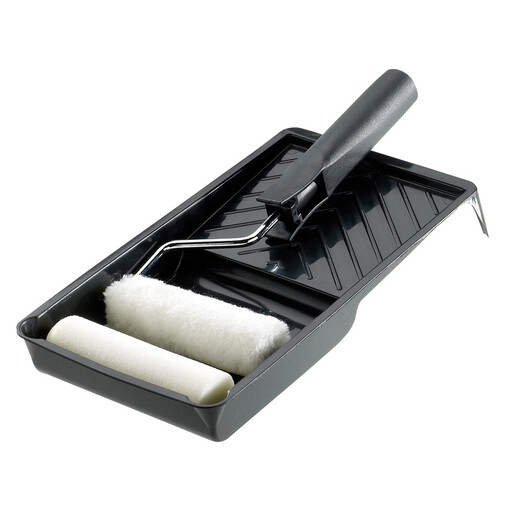
Why It Stands Out: This compact kit is designed for versatility and convenience. It includes two separate roller heads—one for emulsion and another for gloss or varnish—making it a multi-purpose tool for various finishes. The 100mm (4-inch) roller is perfectly sized for precision work, and the handheld tray makes it easy to manage paint in tight spaces. For added reach, the hollow handle is compatible with standard extension poles.
Pros:
- Includes roller heads for both emulsion and gloss paints.
- Compact size is ideal for detailed work and small areas.
- Handheld tray offers excellent portability and control.
- Can be attached to an extension pole for reaching high spots.
Who is it for? This mini paint roller kit is an excellent choice for DIYers tackling touch-ups, painting doors, window frames, skirting boards or detailed furniture painting tools.
Stanley Roller Kit with 2 Sleeves 230mm (9in)
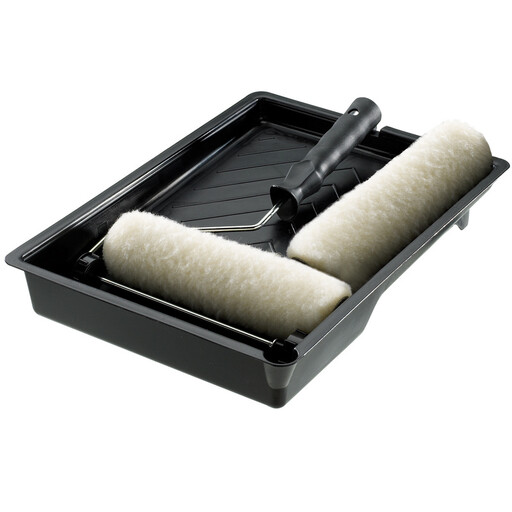
Why It Stands Out: When you need to cover large surfaces efficiently, this 230mm (9-inch) roller kit is a dependable workhorse. The push-on frame allows for quick and easy sleeve changes, while the ergonomically moulded handle is shaped for comfort, reducing hand fatigue during longer painting sessions. The kit comes complete with two medium-pile polyester rollers, which are well-suited for applying paint to smooth and semi-smooth surfaces like interior walls.
Pros:
- Large roller size for fast coverage of walls and ceilings.
- Ergonomic handle provides a comfortable and firm grip.
- Includes two medium-pile sleeves for a smooth finish.
- Complete kit with a sturdy paint tray.
Who is it for? This is the go-to paint roller kit for homeowners and DIY enthusiasts undertaking full room renovations or painting large, flat surfaces.
TILSWALL Upgraded Ultra-Light Electric Paint Sprayer
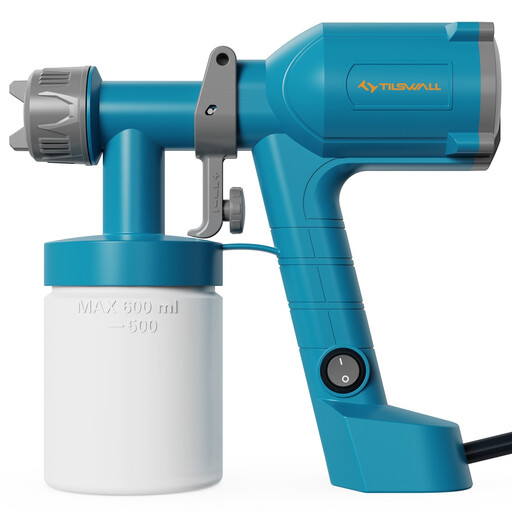
Why It Stands Out: This electric paint spray gun is engineered for speed and a flawless finish. Its ultra-lightweight design, which the brand states uses aerospace-grade materials, makes it significantly lighter than many conventional models, reducing fatigue on big jobs. It comes with two nozzle sizes (1.5mm and 2.0mm) and three spray patterns, offering the flexibility to tackle everything from broad walls to intricate garden furniture. It is designed to be user-friendly, even for beginners.
Pros:
- Lightweight design for comfortable extended use.
- Provides a smooth, even coat quickly.
- Versatile with two nozzles and three spray patterns.
- Suitable for a wide range of surfaces, including wood, metal and walls.
Who is it for? An ideal tool for those with large projects like fences, sheds, decking or multiple rooms to paint. It is also a great fence paint sprayer and a useful tool for achieving a factory-smooth finish on upcycled furniture.
Looking for the Finishing Touches?
Once your walls are perfectly painted with a fresh new colour, the next step is bringing the room to life with decoration. A well-chosen piece of art can serve as a stunning focal point and tie your entire design scheme together.
To find a statement piece that complements your newly painted space, explore our curated collection of gold artwork.
Frequently Asked Questions about Painting Tools
What is better for painting, a roller or a sprayer?
Neither is definitively "better"—it depends on the job. A paint roller kit is great for interior walls, offering more control and requiring less prep. An electric paint sprayer is much faster for large or complex surfaces like fences and furniture and provides a finer finish, but it requires careful masking and ventilation.
How do I avoid leaving roller marks on my wall?
To achieve a smooth, mark-free finish, always work from a "wet edge," meaning you should overlap each new stroke onto the still-wet previous one. Apply light, consistent pressure and avoid pressing too hard. Using a quality wall painting roller with the correct pile depth for your wall's texture also makes a significant difference.
Can I use an electric paint sprayer indoors?
Yes, you can use a paint spray gun indoors, but preparation is critical. You must thoroughly cover everything you do not want painted—floors, furniture, windows and light fittings—with dust sheets and masking tape. Ensure the room is well-ventilated by opening windows and doors. With the right prep, a sprayer can give your interior walls a remarkably smooth finish.