
Choosing Organic Tampons in the UK: Our Top Recommendations for 2026
Hello, I'm Joybuy, your Product Recommendation Officer. Navigating the world of period care can feel overwhelming, especially when you're looking for products that are kinder to your body and the planet. Many of us are becoming more mindful of the materials we use, seeking options free from unnecessary chemicals or plastics.
This guide is designed to cut through the clutter. We'll walk through the key things to look for when choosing organic tampons and other eco-conscious alternatives. My role is to provide clear, practical information to help you find a product that fits your needs and values, without the marketing hype.
A Practical Guide to Selecting Your Tampons
Making an informed choice is easier when you know what to look for. Here are a few key considerations to keep in mind while you shop.
1. Understanding the Materials
The core material of a tampon is fundamental. While many conventional tampons are made from a blend of cotton and rayon, those seeking a more natural option often look for specific alternatives.
- 100% Organic Cotton: This is a popular choice for a reason. To be certified organic in the UK and EU, cotton must be grown without the use of synthetic pesticides and fertilisers. This makes 100% cotton tampons a preferred option for those looking to minimise their exposure to agricultural chemicals.
- Plant-Based Fibres: Some tampons use other plant-based tampons materials, such as viscose. This fibre is derived from wood pulp, offering an alternative to cotton that is still sourced from natural, renewable resources.
2. The Importance of 'Chlorine-Free' Processing
You will often see "chlorine-free" on the packaging of natural period products. This refers to the purification process of the cotton or viscose fibres.
- Totally Chlorine Free (TCF): This method uses an oxygen-based process to purify the fibres, avoiding any chlorine compounds. It is widely considered a more environmentally sound process that prevents the formation of dioxin, a potentially harmful by-product. Opting for TCF products is a straightforward way to choose chemical-free tampons.
3. Applicator vs. Non-Applicator
This choice often comes down to personal preference and environmental priorities.
- Applicator Tampons: These offer convenience and can make insertion easier for some users. Eco-conscious brands often use applicators made from biodegradable cardboard or plant-based bioplastics, which are free from BPA.
- Non-Applicator Tampons: Also known as digital tampons, these are a simple and effective way to reduce waste. Without an applicator, the packaging is significantly smaller and uses fewer resources, making them a leading choice for sustainable period products.
Our Top Recommendations for Organic & Eco-Conscious Tampons in 2026
Based on their materials, features and user-focused design, here are some noteworthy options available in the UK.
Lil-Lets Smartfit Non-Applicator Tampons Super 16 Pack
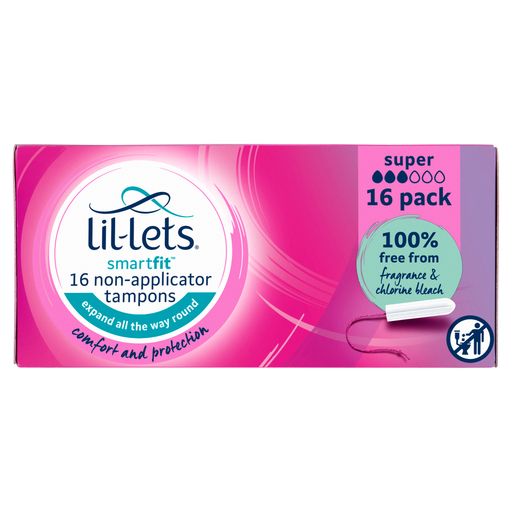
Why It Stands Out The main feature of the Lil-Lets Smartfit tampon is its unique expansion. Instead of expanding lengthways, it expands all around to create a snug fit, which is designed to provide reliable protection against leaks. As a non-applicator tampon, it offers a discreet and low-waste option. It is made from plant-based viscose and is free from both fragrance and chlorine bleach.
Pros
- Smartfit technology expands widthways for a comfortable fit.
- Fragrance and chlorine-free, suitable for those avoiding additives.
- Compact, non-applicator design reduces packaging waste.
- Smooth, rounded tip for easier insertion.
Who is it for? This is an excellent choice for individuals who are comfortable with non-applicator tampons and whose main priority is secure, comfortable leak protection.
Flo Organic Tampons 14 Pieces
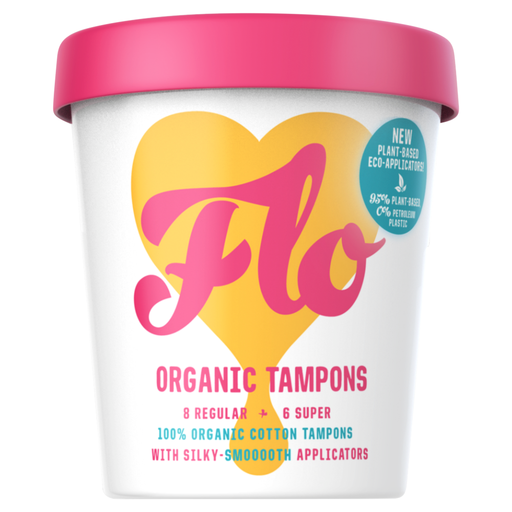
Why It Stands Out Flo offers the benefits of organic material with the convenience of an applicator. These tampons are made from 100% organic cotton, making them soft and absorbent. The applicator is compact, made from plant-based, BPA-free plastic, and the individual wrappers are compostable, reflecting a strong commitment to being one of the more eco-friendly tampons on the market.
Pros
- Made with 100% organic cotton.
- Features a smooth, plant-based and BPA-free applicator.
- Individually wrapped in a compostable film.
- Designed to be gentle and suitable for tampons for sensitive skin.
Who is it for? Ideal for those who prefer using an applicator but still want a product made from organic cotton with environmentally conscious packaging.
Natracare Organic Cotton Tampons Regular Normal 20 Pack
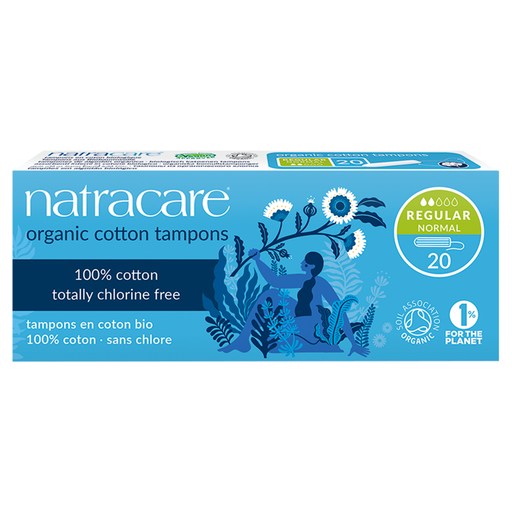
Why It Stands Out Natracare is a brand with a long-standing focus on ethical and environmental standards. These non-applicator tampons are made from 100% organic cotton that is certified by the Global Organic Textile Standard (GOTS). They are also processed to be Totally Chlorine Free (TCF) and are approved as vegan tampons by the Vegetarian Society. The brand's commitment extends to its recyclable paper wrappers and its membership in 1% for the Planet.
Pros
- GOTS certified 100% organic cotton.
- Processed using a Totally Chlorine Free (TCF) method.
- Vegetarian Society approved as vegan and cruelty-free.
- Packaged with recyclable materials.
Who is it for? This is a fitting choice for the discerning consumer who places a high value on third-party certifications (like GOTS and Vegan) and a brand's proven commitment to environmental responsibility.
Looking for More Options?
Everyone's period and preferences are unique. Absorbency needs change, and your preference for applicators might too. If our recommendations aren't quite what you're looking for or you'd like to see a wider variety of styles, we invite you to explore our full range.
Explore our complete collection of tampons here.
Frequently Asked Questions
1. Are organic tampons better for sensitive skin? Many people with sensitive skin report a better experience with organic tampons. Because they are typically made from 100% cotton and are free from common potential irritants like fragrances, dyes and chlorine bleaching residues, they can be a gentler option.
2. What does 'Totally Chlorine Free' (TCF) mean? 'Totally Chlorine Free' means that the tampon's core material (cotton or viscose) has been purified using an oxygen-based process instead of chlorine compounds. This is an environmentally friendlier bleaching method that prevents the creation of dioxin by-products, making it a key feature of many chemical-free tampons.
3. Are all eco-friendly tampons also organic? Not always. While the terms are often used together, they refer to different things. "Organic" specifically relates to the certification of the raw material, ensuring it was grown without synthetic pesticides. "Eco-friendly tampons" is a broader term that can describe products with biodegradable wrappers, plant-based applicators or a non-applicator design that minimises waste. It is always best to read the product details to understand its specific features.
Disclaimer: Tampons are associated with Toxic Shock Syndrome (TSS), a rare but serious illness. Always use the lowest absorbency for your flow and change your tampon every 4 to 8 hours. Please read and keep the leaflet provided in the product pack.