
Open Ear Running Headphones: A Safe Guide to Finding Your Rhythm
For many, a run, cycle or gym session isn't complete without a motivating soundtrack or an engaging podcast. Yet, traditional in-ear headphones can isolate you from your surroundings, creating a potential safety hazard, especially on busy UK roads and park trails. This is where open-ear audio technology comes in, allowing you to enjoy your audio while remaining fully aware of your environment.
As the Joybuy Product Recommendation Officer, my role is to help you navigate the growing market of specialised audio gear. This guide will break down what to look for in a pair of open ear running headphones and present some of our top recommendations to help you find the perfect audio companion for your active lifestyle.
What to Consider Before You Buy
Choosing the right headphones for your workout involves more than just sound quality. Here are a few key factors to keep in mind.
1. Open-Ear vs. Bone Conduction
While often grouped together, these are two distinct technologies.
- Open-Ear Earbuds: These are small earbuds that typically clip onto or sit just outside your ear canal. They use tiny, directional speakers to channel audio towards your ear without blocking it. This style is often very lightweight and discreet.
- Bone Conduction Headphones: This technology works by sending sound vibrations through your cheekbones directly to your inner ear, leaving your ear canal completely open. They usually feature a neckband design that ensures a secure fit during vigorous movement, making them a popular choice for headphones for cycling and running.
2. Durability and Water Resistance
Your workout earbuds need to handle sweat, rain and maybe even a full submersion. This is where IP (Ingress Protection) ratings are important.
- IP54: Resistant to dust and water splashes from any direction. Ideal for gym headphones and protection against sweat.
- IP67: Dust-tight and can be submerged in up to 1 metre of water for 30 minutes. A great choice for running in heavy rain.
- IP68: The highest level of protection. These are fully dust-tight and can be submerged deeper than 1 metre, making them suitable swimming headphones.
3. Secure Fit and Comfort
Nothing ruins a workout faster than an earbud that keeps falling out. Look for designs that prioritise stability. Neckbands, flexible ear hooks and lightweight clip-on styles are all designed to stay in place whether you're sprinting, lifting or on a long cycle.
Top Open Ear Running Headphones
Here are a few standout options that cater to different needs and activities.
Shokz OpenDots One Wireless Clip Open Ear Earbuds
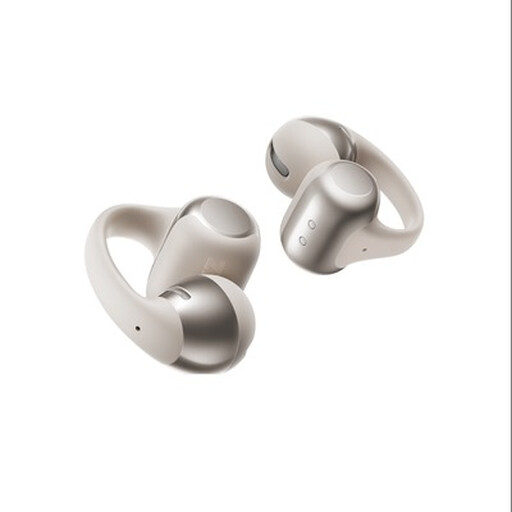
- Why It Stands Out: The Shokz OpenDots One offers a unique take on the open-ear design. Instead of a neckband, these are individual clip-on earbuds. They are incredibly light at just 6.5g each and automatically adapt to be worn on either the left or right ear. According to the brand, their Bassphere and OpenBass 2.0 technologies are designed to deliver deep, powerful sound.
- Pros:
- Ultra-lightweight and comfortable for extended wear.
- Up to 40 hours of total listening time with the charging case.
- IP54 water resistance, making them suitable for sweaty workouts.
- AI-powered noise-cancelling makes them excellent open ear earbuds with mic for clear calls.
- Who is it for? Individuals seeking a versatile and comfortable option for all-day use, from the morning commute to an evening gym session who also need reliable call quality.
Mojawa Purra Run Bone Conduction Sport Headphones

- Why It Stands Out: The Mojawa Purra Run is a classic example of bone conduction headphones built for performance. Its lightweight, ergonomic neckband design provides a very secure fit, ensuring it stays in place during high-impact activities like running and cycling.
- Pros:
- IP67 waterproof rating provides robust protection against heavy rain and sweat.
- Stable Bluetooth 5.3 connectivity for a reliable wireless connection.
- Open-ear design ensures full situational awareness.
- Includes voice control for hands-free operation.
- Who is it for? Dedicated runners and cyclists who need a durable, no-fuss pair of headphones that will remain stable and withstand the elements, no matter the conditions.
Mojawa RunPlus Bone Conduction Headphones with MP3
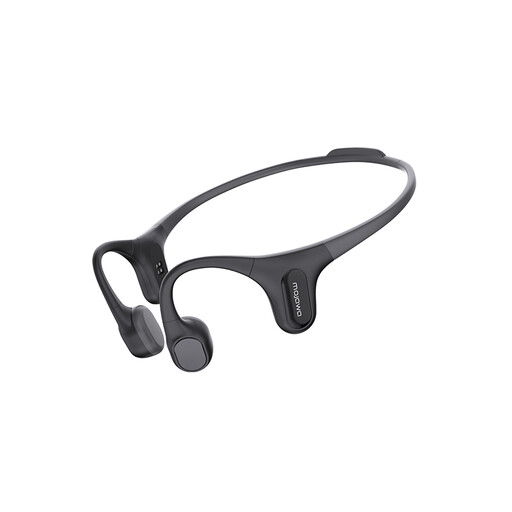
- Why It Stands Out: The Mojawa RunPlus takes versatility to the next level by integrating a 32GB MP3 player. This allows you to leave your phone at home and enjoy your music completely untethered, which is a game-changer for swimmers or minimalist runners.
- Pros:
- IP68 waterproof rating makes them fully functional swimming headphones.
- Built-in MP3 player for phone-free listening.
- Bone conduction technology is ideal for maintaining awareness.
- Secure neckband fit suitable for running, gym use and swimming.
- Who is it for? Swimmers, triathletes and anyone who wants the freedom to work out without being tethered to their phone.
Looking for More Options?
While these recommendations cover a range of needs, the world of audio technology is vast. If you're exploring different audio solutions for your active lifestyle, from powerful bass to specialised gear, we invite you to browse our full collection.
? Explore our complete range of bass equipment here.
Frequently Asked Questions
Are open ear headphones safer for running?
Yes, one of the primary benefits of open ear and bone conduction headphones is safety. By not blocking your ear canal, they allow you to hear ambient sounds such as traffic, cyclists' bells and other pedestrians, significantly improving your situational awareness while on the move.
Can you use bone conduction headphones for swimming?
This depends entirely on the product's IP rating. To be used for swimming, headphones must have an IP68 rating. It is also important to note that Bluetooth signals do not travel through water, so you will need a model with a built-in MP3 player, like the Mojawa RunPlus, to listen to audio while swimming.
Do open ear headphones have good sound quality?
Modern open-ear audio technology has advanced considerably. While they may not block out external noise like traditional headphones, many models now incorporate bass enhancement technologies and advanced drivers to deliver a surprisingly rich and full-bodied sound experience without compromising on safety.