
Choosing an OBD2 Diagnostic Tool: A UK Buyer’s Guide
That amber glow of a check engine light on your dashboard can be a source of instant worry. Is it a minor issue, or the sign of a costly repair? Taking your car to a garage just to identify the problem can be time-consuming and expensive. An OBD2 diagnostic tool empowers you to understand what's happening under the bonnet, allowing you to tackle simple fixes yourself or go to a mechanic armed with knowledge.
This guide is designed to help you navigate the options, from simple code readers to advanced diagnostic systems. We will break down the key features to look for and provide our recommendations to help you find the right tool for your vehicle and your skill level.
How to Choose the Right Car Diagnostic Tool
Selecting the correct device depends on your needs. Here are a few key considerations to keep in mind.
1. Diagnostic Depth: From Basic Codes to Full System Scans
The most fundamental function is reading and clearing Diagnostic Trouble Codes (DTCs), which is what a basic car code reader does for the engine system. However, modern vehicles have numerous electronic control units (ECUs) for systems like the transmission, airbags (SRS) and anti-lock brakes (ABS). A full system car diagnostic tool can communicate with all of these, giving you a complete picture of your vehicle's health.
2. Connectivity: Wired, Wireless or Standalone?
Traditional scanners connect via a cable, but many modern tools offer greater flexibility. A bluetooth OBD2 scanner pairs with your smartphone or tablet, turning a device you already own into a powerful diagnostic interface. These are often compatible with both Android and iOS, making them a versatile car diagnostic for iPhone and other devices. For those who prefer an all-in-one solution, standalone handheld units or tablets come with their own screen and software, requiring no other device.
3. Advanced Functions: Resets, Active Tests and Coding
Beyond reading codes, many scanners offer maintenance functions. An oil reset tool or an ABS bleeding tool can help you complete common service tasks at home. For more advanced users, a bidirectional control tool is invaluable. It allows you to send commands to the car to test components like fuel pumps, fans or windows. The most advanced devices even offer ECU coding tool capabilities for configuring modules. Finally, for newer vehicles, particularly those from 2020 onwards, look for a CAN FD scanner to ensure compatibility with the latest communication protocols.
Top OBD2 Diagnostic Tool Recommendations
Here are our recommendations, selected to cover a range of needs from the weekend DIYer to the seasoned technician.
1. THINKCAR THINKDIAG BD6 Bluetooth Diagnostic Device
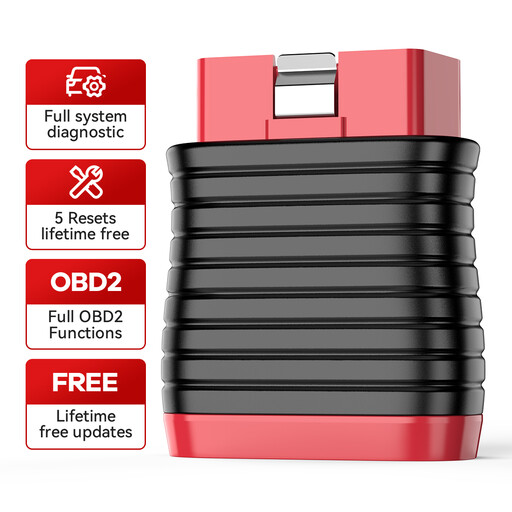
Why It Stands Out: The THINKDIAG BD6 is a compact and user-friendly entry point into vehicle diagnostics. It plugs into your car's OBD2 port and connects wirelessly to your smartphone via the "ThinkDiag+" app. Its main appeal is the lifetime free subscription for full-system diagnostics and five essential reset functions, eliminating any ongoing costs.
Pros:
- Lifetime Free Updates: No subscription fees for the included system diagnostics and five reset services.
- Full System Diagnostics: Reads codes from all major vehicle systems, not just the engine.
- Core Reset Functions: Includes IMMO (immobiliser), Oil, Brake, ABS and ETS (throttle) resets.
- Compact and Portable: Small enough to keep in the glovebox.
Who is it for? This is an excellent choice for car owners and new DIY mechanics who want to diagnose warning lights, clear fault codes and handle the most common maintenance resets without a significant investment.
2. XTOOL A30M Wireless Car Diagnostic Tool
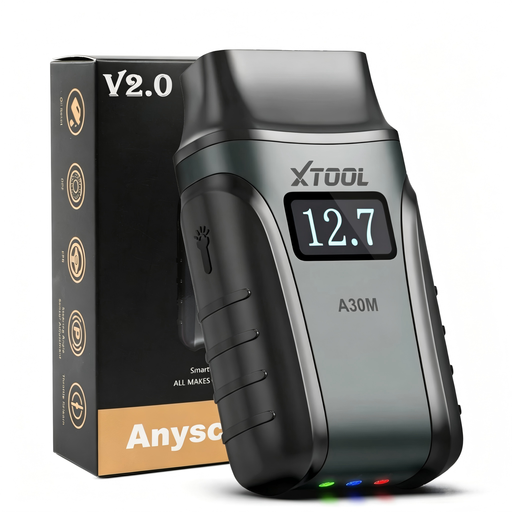
Why It Stands Out: The XTOOL A30M steps up the functionality significantly by introducing bidirectional control. This feature, often found on more expensive tools, allows you to actively test components. Combined with over 26 maintenance services and support for the newer CAN FD protocol, it offers remarkable capability for its size.
Pros:
- Bidirectional Control: Perform active tests on various vehicle components to pinpoint faults quickly.
- Extensive Service Functions: Features 26+ resets, including DPF regeneration, injector coding and SAS calibration.
- Lifetime Free Updates: All functions are included with a one-time purchase.
- Modern Vehicle Support: Includes CAN FD protocol support for newer GM vehicles and FCA AutoAuth access.
Who is it for? The A30M is aimed at the serious home mechanic or DIY enthusiast who needs more than just code reading. If you want to perform active tests and have access to a wide array of service functions, this is a powerful and cost-effective option.
3. THINKCAR ThinkScan 689BT Professional Automotive Scanner
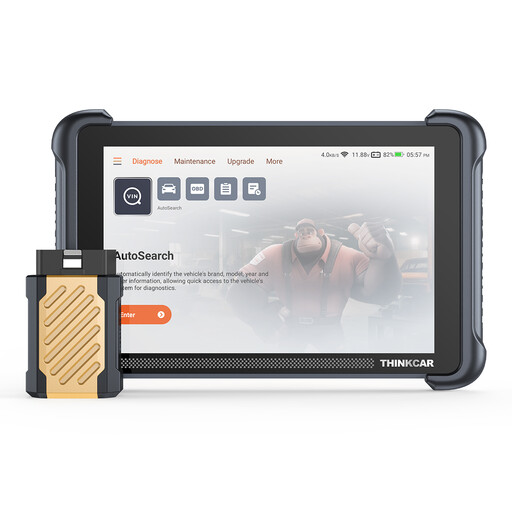
Why It Stands Out: The ThinkScan 689BT is a comprehensive, tablet-based diagnostic system built for advanced applications. It combines a fast Android 10 interface with professional-level features like ECU coding and bidirectional control. With support for CAN FD and DoIP protocols and over 34 reset functions, it is equipped to handle complex tasks on a wide range of modern vehicles.
Pros:
- Advanced Professional Functions: Offers ECU coding, bidirectional control and 34+ maintenance resets.
- All-in-One Tablet: A dedicated 8-inch touchscreen device with 64GB of storage means no phone is required.
- Broad Protocol Support: Compatible with CAN FD and DoIP, ensuring it works with the latest vehicle architectures.
- Lifetime Free Updates: All software and functions receive free updates for life.
Who is it for? This professional automotive scanner is designed for advanced DIYers, small workshop owners and technicians who require a single tool with comprehensive diagnostic, service and coding capabilities.
Looking for More Options?
If the tools above don't quite match your specific requirements, or if you'd like to compare a wider range of models, we have more to see.
? Explore our full guide to the Top 5 best OBD2 car diagnostic scanner for additional recommendations.
Frequently Asked Questions (FAQ)
1. What is the difference between an OBD2 scanner and a car code reader? A basic car code reader typically only communicates with the engine control unit (ECU) to read and clear fault codes related to emissions. An OBD2 diagnostic tool or scanner is more advanced, often capable of performing a full system car diagnostic by accessing other modules like ABS, airbags, transmission and body control systems. They also frequently include service functions like oil resets.
2. Can an OBD2 diagnostic tool damage my car? When used correctly, a reputable OBD2 diagnostic tool will not damage your vehicle's ECU. These tools are designed to communicate using standardised protocols to read data and send commands safely. Issues typically only arise from using low-quality, uncertified devices or attempting advanced functions like ECU coding without proper knowledge and a stable power supply. Always follow the manufacturer's instructions.
3. Do I need a scanner with CAN FD support? CAN FD (Controller Area Network with Flexible Data-Rate) is a newer and faster communication protocol used in many vehicles manufactured from 2020 onwards, especially by brands like General Motors and Ford. If you work on modern cars or plan to, choosing a CAN FD scanner ensures you will be able to communicate effectively with their latest electronic systems. For older vehicles, it is not a necessity.