
Top Recommendations for Choosing the Right OBD2 Diagnostic Tool
As vehicles become more complex, the dreaded engine management light can signal anything from a loose fuel cap to a serious transmission fault. For the dedicated DIY mechanic or independent garage technician, relying on expensive dealership visits for every diagnostic check is simply not sustainable. A powerful OBD2 diagnostic tool is no longer a luxury; it's an essential piece of kit for saving time, money and taking control of your vehicle maintenance.
This guide is designed to help you navigate the market and find a scanner that goes beyond basic fault codes. We will explore the key features that matter for modern vehicle repair and highlight some of our top recommendations to help you make an informed choice.
Choosing the Right Car Diagnostic Scanner: A Quick Guide
With so many options available, focusing on the right features is crucial. Here are a few key considerations to keep in mind before you buy.
1. Look for Full System Diagnostics and Reset Functions
A basic car code reader for all cars will only tell you about engine and emissions-related faults (the 'E' in 'ECU'). A modern full system diagnostic tool, however, can communicate with all of a vehicle's electronic modules. This includes the Anti-lock Braking System (ABS), Supplemental Restraint System (SRS/Airbags), Body Control Module (BCM), Transmission and more. For comprehensive maintenance, look for an OBD2 scanner with reset functions like oil service reset, electronic parking brake (EPB) service and battery management system (BMS) reset. Advanced tools may also offer functions like an ABS bleed tool or a DPF regeneration tool.
2. Understand the Power of Bi-Directional Control
This is what separates a simple reader from a professional automotive scanner. A standard scanner only receives data from the car's computer. A bi-directional scan tool can also send commands back to the vehicle's modules to perform active tests. For example, you can command the fuel pump to turn on, cycle the ABS solenoids or activate the A/C clutch. This capability is invaluable for accurately pinpointing the root cause of a problem without having to swap parts unnecessarily.
3. Ensure Compatibility with Modern Vehicle Protocols
As vehicle technology evolves, so do the communication protocols. Two critical ones to look for are:
- CAN FD scanner: The CAN FD protocol allows for faster data transfer and is used by many newer vehicles, particularly General Motors (GM) models from 2020 onwards. A compatible scanner ensures you can properly diagnose these cars.
- FCA AutoAuth tool: For security reasons, Fiat Chrysler Automobiles (now part of Stellantis) implemented a Secure Gateway Module (SGW) on their 2018+ vehicles. To perform advanced functions like clearing codes or running active tests on these cars, your tool needs FCA AutoAuth access.
Top Product Recommendations
Here are a few standout OBD2 diagnostic tools that offer a strong combination of features, compatibility and value for enthusiasts and professionals.
XTOOL A30M OBD2 Diagnostic Device BT
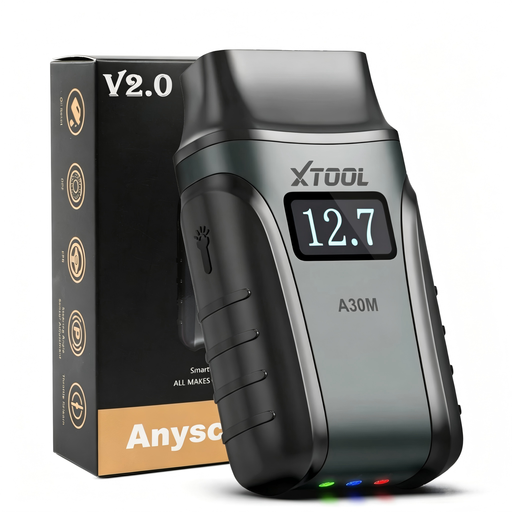
Why It Stands Out: The XTOOL A30M packs an impressive amount of power into a compact, wireless dongle. As a bluetooth car diagnostic tool, it pairs with your Android or iOS device, turning your smartphone into a powerful diagnostic hub. Its standout feature is the lifetime free updates, which eliminates ongoing subscription costs—a significant long-term saving.
Pros:
- Lifetime Free Updates: A one-time purchase provides access to all functions and future vehicle updates without subscription fees.
- Bi-Directional Control: Capable of performing active tests to help diagnose component failures.
- Comprehensive Functions: Offers OE-level full system diagnostics and over 26 maintenance services, including ABS Bleeding, DPF Regeneration and Injector Coding.
- Modern Protocol Support: Includes built-in CAN FD and FCA AutoAuth access, making it ready for newer vehicles.
Who is it for? This is an excellent choice for the tech-savvy DIYer or mobile mechanic who values portability and wants a cost-effective tool with professional-level features and no recurring fees.
THINKCAR ThinkScan 689BT OBD2 Diagnostic Tool
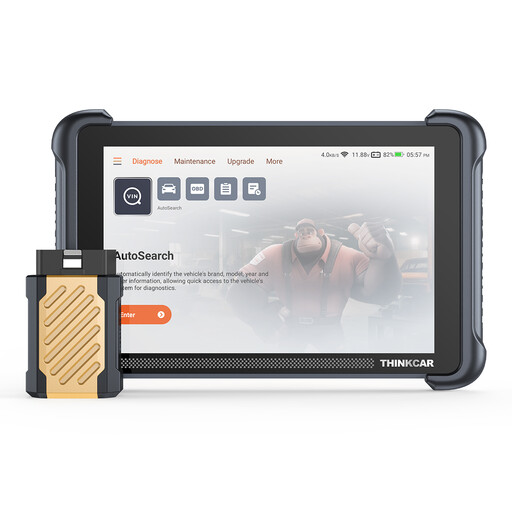
Why It Stands Out: The ThinkScan 689BT is a robust, tablet-based unit designed for more intensive use. Running on an Android 10 OS with a large 8-inch screen, it provides a clear and smooth user experience. It boasts an extensive list of over 34 reset functions and supports advanced protocols like CAN FD and DoIP (Diagnostics over Internet Protocol), future-proofing it for upcoming vehicle technologies.
Pros:
- Extensive Service Functions: With over 34 maintenance resets, it covers a vast range of common and advanced workshop tasks.
- Professional Hardware: Features a responsive 8-inch touchscreen, a quad-core processor and ample storage (4GB RAM + 64GB ROM) for fast operation.
- Advanced Capabilities: Supports bi-directional control, ECU coding and full system diagnostics.
- Lifetime Free Updates: Like the XTOOL, it offers lifetime software updates, providing excellent long-term value.
Who is it for? This tool is geared towards the serious car enthusiast or a small independent garage that needs a dedicated, powerful tablet scanner with a very broad range of service functions and advanced protocol support.
MUCAR 682 Professional Diagnostic Scanner
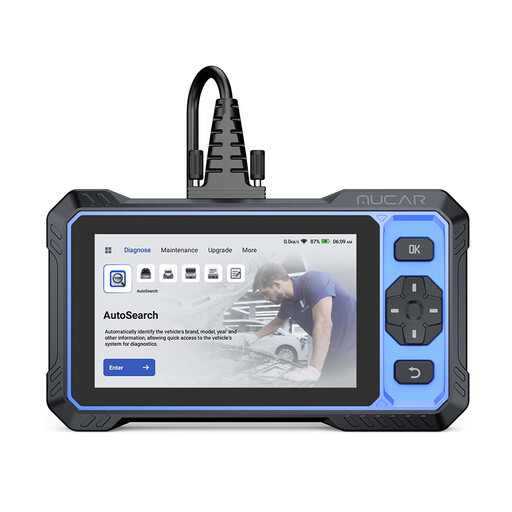
Why It Stands Out: The MUCAR 682 is a self-contained, all-in-one unit that combines powerful diagnostics with user-friendly features. Its 6-inch touchscreen and Android-based system are built for workshop durability. A key feature is its AI Intelligent Diagnostics, which can provide real-time suggestions and analysis to help streamline the troubleshooting process.
Pros:
- OE-Level Diagnostics: Performs deep scans across all vehicle systems to accurately identify faults.
- All-in-One Design: A rugged, handheld unit with a 6-inch touchscreen that doesn't require a separate phone or tablet.
- Broad Compatibility: Covers over 100 brands and includes CAN-FD and FCA AutoAuth support for modern vehicle fleets.
- Lifetime Free Updates: Ensures you have the latest software and vehicle coverage without any subscription fees.
Who is it for? Ideal for mechanics and DIYers who prefer a dedicated, rugged handheld device and can benefit from AI-assisted guidance to diagnose issues more efficiently.
Looking for Other Options?
The tools highlighted here represent a great balance of features and value, but every mechanic's needs are different. If you're looking for a different set of features or a tool that fits a specific budget, you can explore our full collection.
Explore our complete range of car diagnostic reader tools here.
Frequently Asked Questions
What is the difference between an OBD2 scanner and a bi-directional scan tool?
A standard OBD2 scanner is a "read-only" device. It can pull diagnostic trouble codes (DTCs) and view live data streams from a vehicle's computer. A bi-directional scan tool can do all of that, plus it can send commands to the vehicle. This allows a technician to perform "active tests," such as commanding a cooling fan to turn on or pulsing the ABS pump, to test the functionality of specific components directly from the tool.
Do I need a scanner with CAN FD and FCA AutoAuth?
If you work on or plan to work on modern vehicles, the answer is increasingly yes. CAN FD is used in many vehicles from 2020 onwards (especially GM) for faster communication. Without it, you may not be able to diagnose these cars properly. FCA AutoAuth is required to perform functions beyond basic code reading on most 2018 and newer Fiat, Chrysler, Jeep, Dodge and Ram vehicles. A tool without these features will have limited utility on a modern fleet.
Can a DIY mechanic use a professional automotive scanner?
Absolutely. While these tools were once exclusive to professional garages, many modern scanners are designed with user-friendly interfaces. For a dedicated DIYer who performs their own maintenance and repairs, investing in a professional automotive scanner with features like bi-directional control and advanced resets can pay for itself quickly by avoiding diagnostic fees and preventing the incorrect replacement of parts.