
Finding Your Grip: Our Top Recommendations for a Non-Slip Yoga Mat in 2026
There are few things more distracting during a yoga session than a hand slipping in Downward-Facing Dog or a foot sliding during a Warrior pose. A reliable non-slip yoga mat is the foundation of a safe and focused practice, whether you are a seasoned yogi or just starting your fitness journey.
However, the market is filled with options, each claiming to offer the perfect grip. As a Joybuy Product Recommendation Officer, my role is to help you navigate these choices. This guide cuts through the marketing clutter to focus on what truly matters: material, thickness and suitability for your specific needs, helping you find a mat that supports your practice, from gentle stretching to intense hot yoga.
Choosing Your Foundation: A Practical Buying Guide
Before looking at specific products, understanding a few key features will empower you to make an informed decision.
1. Material Matters: Grip and Feel
The material of your mat is the single most important factor for grip. Different materials perform differently, especially when moisture is introduced.
- Natural Rubber & Suede: This combination offers a unique proposition. A natural rubber base provides excellent floor grip, while a microfibre suede top surface can actually increase its grip as you sweat. This makes it a strong candidate for a hot yoga mat.
- Cork: A popular eco-friendly yoga mat option, cork is naturally antimicrobial and provides a firm, grounded feel. Like suede, its grip often improves with a little moisture, making it another excellent choice for more intense, sweaty practices.
- TPE (Thermoplastic Elastomer): This is a man-made material, often blended with other materials to create a closed-cell surface that is lightweight, cushioned and moisture-resistant. A TPE yoga mat is a versatile and often more affordable choice, providing good grip for a wide range of activities, including yoga and Pilates.
2. Thickness and Cushioning
The thickness of your mat affects comfort, stability and portability.
- Thin (1-3mm): A thin mat, often considered a travel yoga mat, offers a stronger connection to the floor, which is beneficial for balance poses. They are lightweight and easy to fold or roll tightly.
- Standard (4-6mm): This is the most common thickness, providing a good balance of cushioning and stability for most yoga styles. A 5mm cork yoga mat, for example, offers comfort without sacrificing the grounded feel.
- Thick (8mm+): A thick yoga mat (8mm or more) provides substantial cushioning, which is ideal for restorative yoga, Pilates or anyone with sensitive joints (knees, hips, spine). This type of exercise mat is excellent for floor-based workouts beyond yoga.
3. Your Practice, Your Mat
Consider how you will use your mat. A fitness mat for women and men used for high-impact workouts has different requirements than one used for gentle stretching. If you frequent a studio, a lightweight mat with a yoga mat with carry strap is a practical necessity. For home use, portability might be less of a concern than maximum comfort.
Our Top Recommendations for 2026
Based on these practical considerations, here are some standout options that cater to different needs and preferences.
For the Travelling Yogi: 2mm Microfibre & Natural Rubber Yoga Mat
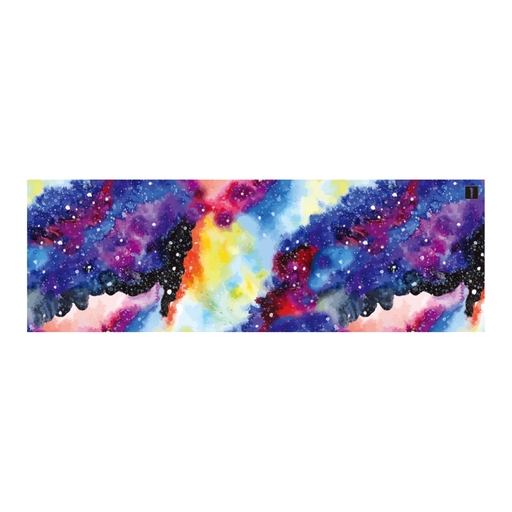
- Why It Stands Out: This mat is designed for portability without compromising on grip. Its ultra-thin 2mm profile and foldable design make it an ideal travel yoga mat. The innovative suede surface is engineered to absorb sweat, enhancing grip during more demanding sessions like hot yoga or Ashtanga. It can also be used as a hygienic cover on top of studio mats.
- Pros:
- Extremely lightweight and foldable for easy travel.
- Suede surface provides increased grip when damp.
- Natural rubber base ensures it stays put on the floor.
- Functions as both a standalone mat and a studio mat topper.
- Who is it for?
- Yogis who travel frequently or commute to a studio.
- Practitioners of hot yoga or other sweaty fitness routines.
- Anyone seeking a personal, hygienic layer for shared studio equipment.
For the Eco-Conscious Practitioner: 5mm Cork & TPE Yoga Mat
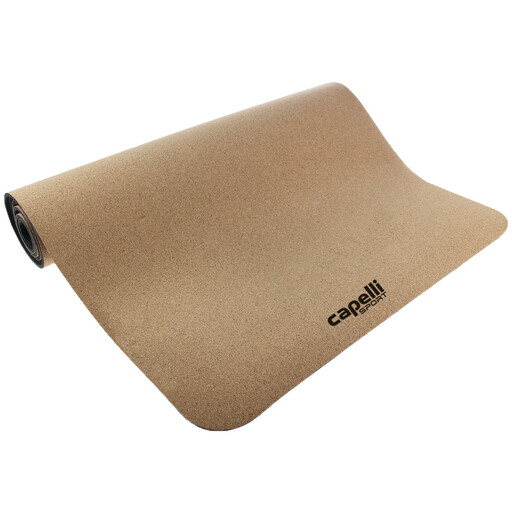
- Why It Stands Out: This cork yoga mat combines sustainability with performance. The natural cork top layer is moisture-proof and odour-resistant, while the TPE bottom provides cushioning and stability. The 5mm thickness strikes a great balance between comfort and a firm connection to the ground, making it a versatile all-rounder.
- Pros:
- Made from sustainable and eco-friendly materials.
- Cork surface offers excellent grip, especially when slightly damp.
- Naturally resists odours and moisture.
- Good balance of cushioning and stability for various yoga styles.
- Who is it for?
- Environmentally conscious consumers.
- Hot yoga and Vinyasa flow practitioners.
- Users looking for a durable, all-purpose mat for yoga, Pilates and general workouts.
For Maximum Comfort and Support: Miss Lulu 10mm Thick TPE Exercise Mat
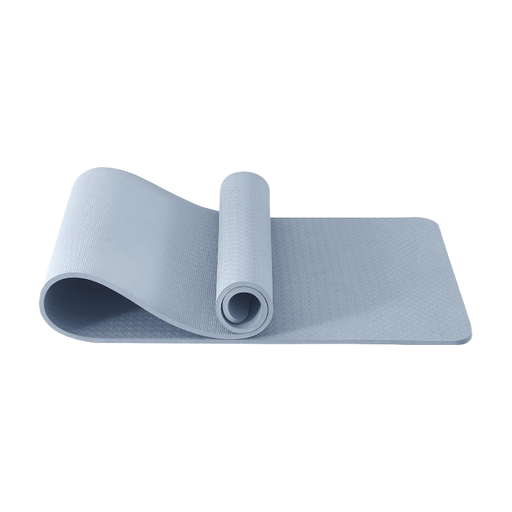
- Why It Stands Out: With a generous 10mm thickness, this mat prioritises cushioning above all else. It’s an excellent thick yoga mat for protecting the spine, hips and knees on hard floors. The high-density TPE material is tear-resistant and features a double-sided non-slip texture for security. The included yoga mat with carry strap makes it surprisingly portable for its size.
- Pros:
- Superior 10mm cushioning for joint protection.
- Double-sided textured surface for enhanced stability.
- Made from durable, high-density TPE.
- Includes a carry strap for easy transport and storage.
- Who is it for?
- Beginners who need extra comfort and support.
- Individuals with sensitive joints.
- Those practising Pilates, gymnastics or other floor-based exercises.
Looking for More Options?
The right mat is a personal choice, and your perfect match might have a different material, thickness or design. If these recommendations aren't quite what you're looking for, you can explore a wider variety of options.
️ Explore our full collection of non-slip yoga mats here.
Frequently Asked Questions
1. What is the best thickness for a yoga mat? There isn't one "best" thickness; it depends on your practice and personal preference.
- 1-3mm: Best for travel and stability in balance poses.
- 4-6mm: The standard for all-purpose use, offering a balance of comfort and connection to the floor.
- 8mm+: Ideal for restorative yoga, Pilates or individuals needing extra joint cushioning.
2. How do I stop my yoga mat from slipping on the floor? First, ensure you have a mat with a high-grip base material like natural rubber or a textured TPE. Keeping both your mat and the floor clean and free of dust can also significantly improve stability. If you have a very slick floor, placing a yoga towel underneath the mat can sometimes help.
3. Is a TPE or cork yoga mat better? Neither is inherently "better," as they serve different priorities. TPE mats are generally lightweight, offer excellent cushioning and are often more affordable. Cork mats are prized for being eco-friendly, naturally antimicrobial and offering exceptional grip that improves with sweat, making them a favourite for hot yoga. The choice depends on whether you prioritise cushioning and cost (TPE) or sustainability and wet-grip performance (cork).