
Your Guide to Mung Bean Products in the UK: Our Top Recommendations for 2026
As the days grow longer and warmer, many of us seek out refreshing foods and drinks to help us feel more comfortable. In many East Asian food traditions, the humble mung bean is a staple ingredient for this very purpose. Valued for its versatility, it appears in everything from a soothing mung bean soup to a light, thirst-quenching mung bean drink.
Navigating the options available in the UK can be a little confusing. Should you choose a convenient, ready-made dessert, a modern sugar-free beverage or a bag of dried mung beans to create your own dishes from scratch? As a Joybuy Product Recommendation Officer, my role is to help you understand the choices so you can find the right product for your needs. This guide will walk you through what to look for and highlight a few standout options available this year.
Choosing the Right Mung Bean Product: A Quick Guide
Before you buy, consider these points to ensure you select the best fit for your lifestyle and culinary goals.
1. Convenience vs. Control: Ready-Made or Dried?
Your first decision is between pre-prepared products and raw ingredients.
- Ready-to-Consume: Options like canned mung bean soup or bottled drinks offer maximum convenience. They are perfect for quick refreshment, office lunches or when you simply don't have time to cook. Check the ingredients list for sugar content to match your preference.
- Dried Mung Beans: A bag of dried mung beans offers complete control and versatility. It's the most cost-effective choice for those who enjoy home cooking. You can decide the sweetness and consistency of your mung bean dessert or soup, and use them in savoury dishes, too.
2. Understanding the Ingredients
When looking at pre-made options, a shorter, simpler ingredient list is often a good sign.
- Sweeteners: Traditional mung bean dessert recipes use rock sugar or white sugar. Modern, health-focused versions might use natural sweeteners like monk fruit or be unsweetened entirely.
- Additives: Many high-quality products contain just mung beans, water and a sweetener. Be mindful of products with long lists of preservatives or artificial flavours if you prefer a more natural product.
3. How to Cook Mung Beans from Scratch
If you opt for dried beans, knowing the basics of preparation is key. Learning how to cook mung beans is simple. For most recipes, like a classic Chinese cooling tea or soup, the process involves:
- Rinsing: Always rinse the beans thoroughly under cold water.
- Soaking (Optional but Recommended): Soaking the beans for 2-3 hours can significantly reduce cooking time and help them soften evenly.
- Cooking: Simmer the beans in a pot of water until they are tender and have split open, which usually takes 20-40 minutes depending on whether you soaked them.
Our Top Recommendations for 2026
Here are three different types of mung bean products that cater to various needs, from instant refreshment to creative home cooking.
For a Sugar-Free Refresher: Genki Forest Refreshing Mung Bean Water
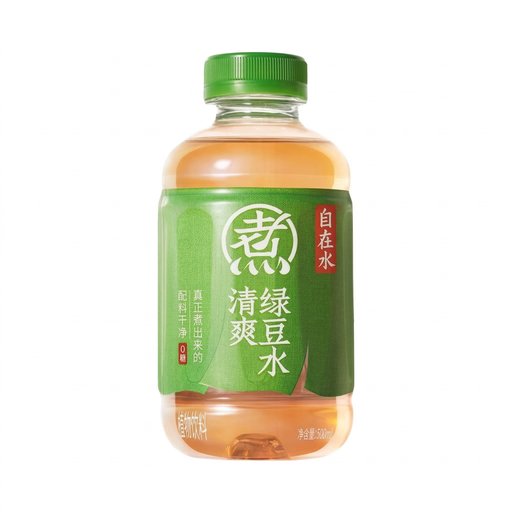
Why It Stands Out: This drink takes the traditional concept of a mung bean drink and adapts it for a modern, health-conscious audience. It delivers the earthy, nutty flavour of mung beans without any of the sugar, calories or fat, making it a clean and simple hydrator. The use of roasted mung beans adds a subtle depth to the flavour profile.
- Pros:
- Zero sugar, zero calories and zero fat.
- Clean ingredient list: just water, mung beans, roasted mung beans and monk fruit.
- Ready to drink, best served chilled for instant refreshment.
- Who is it for?
- Individuals looking for a healthy, unsweetened alternative to sugary drinks.
- Anyone seeking a convenient, light-tasting beverage to pair with meals or enjoy on a warm day.
For a Traditional Dessert: TAI SUN Mung Bean Soup
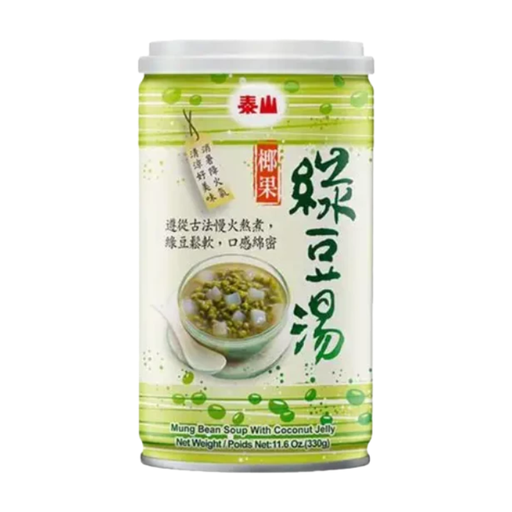
Why It Stands Out: TAI SUN offers a classic, ready-to-eat mung bean soup that tastes just like a traditional homemade version. It’s lightly sweetened and has a comforting texture, with soft-cooked beans in a clear broth. It serves as a perfect, no-fuss mung bean dessert.
- Pros:
- Authentic, traditional flavour.
- Convenient pull-tab can; no cooking required.
- Can be enjoyed chilled or at room temperature.
- Who is it for?
- Those who crave the nostalgic taste of a classic Chinese dessert without the preparation time.
- People looking for a simple, satisfying and lightly sweet treat.
For the Home Cook: Shi Yue Dao Tian Mung Beans
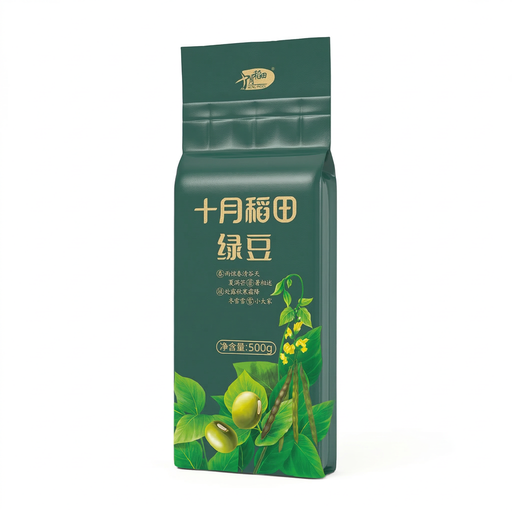
Why It Stands Out: For those who love to cook, a quality bag of dried mung beans is essential. These beans from Shi Yue Dao Tian are selected for their plumpness and bright colour, indicating freshness. They provide the perfect blank canvas for a wide range of culinary projects.
- Pros:
- High-quality, plump beans for a better texture and flavour.
- Versatile for making soups, desserts, congee or even savoury dishes.
- Gives you full control over sweetness, texture and ingredients.
- Who is it for?
- Home cooks who want to make traditional recipes from scratch.
- Health-conscious individuals who prefer to control the sugar and ingredients in their food.
Looking for More Options?
The world of mung bean products is wonderfully diverse. If our top recommendations aren't exactly what you're after, or if you're curious to see what other drinks, desserts and ingredients are available, we invite you to explore our broader collection.
️ Explore the full range of Mung Bean Food at Joybuy UK
Frequently Asked Questions
1. What does mung bean soup taste like? Mung bean soup has a mild, slightly nutty and earthy flavour. When prepared as a dessert, it is typically sweetened, which balances the earthy notes and creates a refreshing, comforting taste. The texture consists of soft, slightly starchy beans in a thin, watery broth.
2. Do I need to soak dried mung beans before cooking? While not strictly necessary, soaking dried mung beans for 2-3 hours in cold water is highly recommended. Soaking softens the beans, which reduces the cooking time by about half and helps them cook more evenly, resulting in a better texture.
3. Is mung bean considered a 'cooling' food? In traditional Chinese food therapy, certain foods are classified by their energetic properties. The mung bean is considered a 'cooling' (yin) food, believed to help clear internal heat and relieve thirst. This is why mung bean soup and Chinese cooling tea made from the beans are particularly popular during hot summer months.