
Finding the Right Meat Cleaver: Our Top Recommendations for 2026
A high-quality meat cleaver is a cornerstone of any serious kitchen, whether professional or at home. It’s a tool of power and precision, capable of breaking down large cuts of meat or finely slicing vegetables with equal authority. However, the market is filled with options, and choosing the right one can be a challenge. A heavy-duty cleaver designed for bone is vastly different from a lighter chef's cleaver intended for vegetables.
This guide is designed to help you understand the key features to look for in a kitchen cleaver knife. We will explore different materials and construction types to help you find a tool that matches your cooking style and will serve you reliably for years to come.
How to Choose the Right Kitchen Cleaver Knife
Making an informed decision comes down to understanding a few key elements. Consider these points before you make a purchase.
1. Blade Material: High Carbon Steel vs. Stainless Steel
The material of the blade dictates its sharpness, durability and maintenance requirements.
- High Carbon Steel Knife: Often favoured for its ability to achieve and hold an exceptionally sharp edge. This makes it ideal for precise cuts. However, it requires more care, as it can be prone to rust and staining if not cleaned and dried immediately after use.
- Stainless Steel Cleaver: This is a popular choice for its excellent resistance to rust and corrosion, making it lower maintenance. Modern alloys, such as German steel (like 1.4116) or certain types of Japanese steel, often blend chromium, molybdenum and vanadium to enhance both toughness and edge retention, offering a great balance of performance and durability.
2. Construction and Balance: The Importance of a Full Tang
The construction of a cleaver is critical for safety and performance, especially for heavy-duty tasks.
- A full tang cleaver features a single piece of metal that runs from the tip of the blade to the end of the handle. This construction provides superior strength, stability and balance, making it the standard for any quality heavy duty cleaver. A knife with a full tang feels more controlled in the hand and is far less likely to fail under pressure, which is essential when using it as a bone chopping knife.
3. Blade Profile: Heavy Chopper vs. All-Purpose Slicer
Not all cleavers are created equal. The shape and weight of the blade determine its primary function.
- Heavy Meat Cleavers: These have thick, heavy blades with a less acute edge, designed to generate force for chopping through joints, cartilage and small bones. Their weight does the work for you.
- Vegetable Cleaver (or Chinese Chef's Knife): These are typically thinner, lighter and have a sharper edge. Despite their similar shape, they are not designed for bones. Instead, they excel at slicing, dicing and mincing vegetables and boneless meats. The wide blade is also useful for scooping and transferring ingredients from the cutting board to the pan.
Our Top Recommendations for Meat Cleavers in 2026
Here are our recommendations, selected to suit a range of culinary needs, from delicate slicing to robust chopping.
WANGMAZI Slicing Knife Cleaver - Shenmu Series · Xingyao - 190 mm
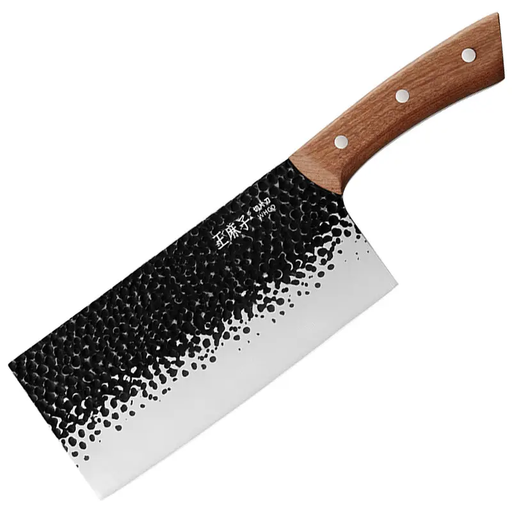
- Why It Stands Out: This cleaver from the renowned Wangmazi brand is a specialist tool for precision. It is not a heavy chopper but a master of the fine slice. Its design focuses on creating clean, effortless cuts through boneless meats and vegetables, making it a true chef's cleaver for tasks requiring finesse.
- Pros:
- Expertly crafted for precise, clean slicing.
- Ergonomic handle provides a secure and comfortable grip for enhanced control.
- Embodies a legacy of quality and reliability.
- Who is it for: The culinary artist who needs a dedicated vegetable cleaver or slicing knife for preparing ingredients with professional accuracy. It is ideal for those who value precision over brute force.
COOKER KING Japanese Chef Knife - Stainless Steel
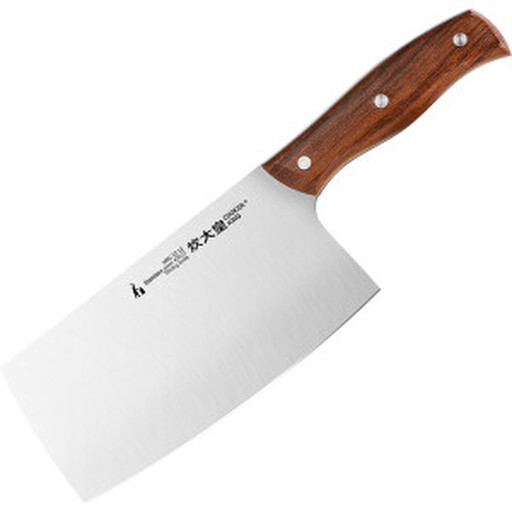
- Why It Stands Out: This Japanese cleaver offers exceptional versatility. Forged from high-carbon 7Cr17MoV stainless steel, it combines the sharpness associated with Japanese cutlery with the durability of stainless steel. The full-tang construction and sharp 15° double-bevel edge make it a powerful all-rounder.
- Pros:
- Blade forged from 7Cr17MoV stainless steel for excellent edge retention and corrosion resistance.
- Full-tang, triple-rivet construction ensures superior balance and durability.
- Waterproof pakkawood handle offers a comfortable, non-slip grip.
- Versatile blade shape is suitable for chopping, dicing and scooping.
- Who is it for: The home cook or professional chef looking for a single, high-performance cleaver that can handle a wide variety of kitchen tasks, from dicing onions to portioning chicken.
Huohou German 1.4116 Stainless Steel Cleaver Knife
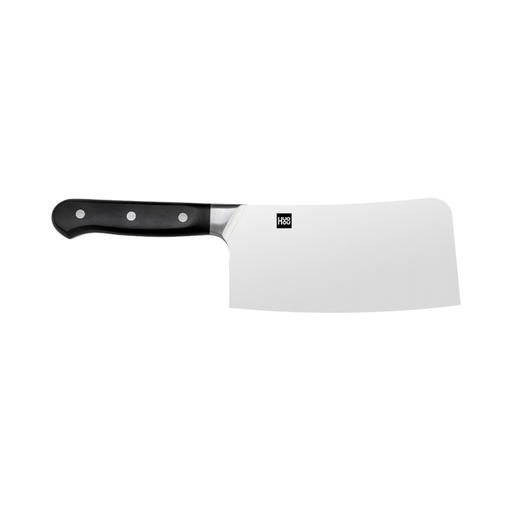
- Why It Stands Out: This is a true heavy duty cleaver, built for power and durability. Crafted from German 1.4116 stainless steel containing chromium, molybdenum and vanadium, its blade is engineered for toughness and resisting chips when chopping dense ingredients. The seamless construction and riveted handle underscore its focus on strength.
- Pros:
- Made from tough German steel with a hardness of HRC 53–58, ideal for heavy use.
- Designed as a bone chopping knife for meat and poultry.
- Ergonomic ABS handle with three rivets provides a secure grip under pressure.
- Seamless welding between blade and handle prevents residue buildup and enhances hygiene.
- Who is it for: Cooks who regularly break down large cuts of meat or whole poultry. If you need a powerful tool that can handle bones and joints with confidence, this is an excellent choice.
Looking for Other Options?
The right knife is a personal choice, and our recommendations cover three distinct uses. If you are still exploring different styles or require other specialised blades for your kitchen, we invite you to browse our complete collection of kitchen knives to find the perfect fit for your culinary needs.
Frequently Asked Questions About Meat Cleavers
What is the difference between a meat cleaver and a vegetable cleaver? A meat cleaver is a heavy, thick-bladed knife designed for chopping through bone and dense tissue. A vegetable cleaver, often called a Chinese chef's knife, is much thinner and lighter. It is used for slicing, dicing and mincing vegetables and boneless meats, not for cutting bones.
How do I care for a high carbon steel knife? To prevent rust, a high carbon steel knife must be washed by hand with mild soap and water, then dried thoroughly immediately after each use. Applying a thin coat of food-grade mineral oil to the blade before storage can also provide extra protection. Never leave it to soak or put it in a dishwasher.
Is a full tang cleaver necessary? For a heavy-duty meat cleaver used for chopping, a full tang is highly recommended. It provides the structural integrity, balance and durability needed to withstand the high impact of chopping. For a lighter vegetable cleaver, it is still a mark of quality construction but is less critical than for a bone chopper.