
Find Your Perfect Japanese Hot pot Soup Base: Our Top Recommendations for 2026
A simmering pot of nabe, or Japanese hot pot, is more than just a meal; it’s a comforting, communal experience perfect for a chilly UK evening. The heart and soul of any great hot pot is the broth. While making an authentic Japanese broth from scratch can be a time-consuming process, a high-quality prepared soup base can deliver that same depth of flavour with minimal effort.
Navigating the options, however, can be confusing. With so many varieties available, from rich and sweet to light and savoury, how do you choose the right one? This guide is designed to help you understand the different types of Japanese hot pot soup bases and find a convenient, delicious option to create an easy hot pot at home.
A Practical Guide to Choosing Your Nabe Soup Base
Before diving into specific products, here are a few key points to consider when selecting a Japanese soup concentrate UK residents can easily find.
1. Match the Broth to the Meal
Different types of Japanese hot pot call for distinct flavour profiles. Understanding the main categories will help you make the right choice:
- Sukiyaki: Known for its rich, sweet and savoury flavour, a sukiyaki soup base is typically made from soy sauce, sugar and mirin. It’s perfect for simmering thinly sliced beef, tofu and leafy greens.
- Oden: This is a lighter, dashi-based broth. An oden soup base has a clean, umami-rich flavour derived from kombu (kelp) and katsuobushi (bonito flakes), designed for slow-simmering ingredients like daikon radish, fish cakes and boiled eggs.
- Spicy Nabe: For those who enjoy a bit of a kick, a spicy hot pot broth offers a warming and stimulating experience. These often incorporate elements like chilli, doubanjiang (fermented broad bean paste) or Sichuan peppercorns for a complex heat.
2. Understand Concentrate vs. Ready-to-Use
Soup bases come in two main formats. A Japanese soup concentrate is a thick liquid that you dilute with water, giving you control over the intensity of the flavour. Ready-to-use pouches contain a pre-diluted broth that you can simply pour into the pot and heat. Both offer convenience, so the choice often comes down to personal preference and storage space.
3. Check for Authentic Ingredients
To ensure you’re getting an authentic Japanese broth, look at the ingredient list. Key components to look for include high-quality soy sauce, mirin (sweet rice wine), sake, kombu (kelp) and bonito (fish) extract. These ingredients are the foundation of traditional Japanese cooking and are essential for a deep, balanced umami flavour.
Our Top Recommendations for Japanese Hot Pot Soup Bases in 2026
Based on flavour profile, ingredient quality and versatility, here are our recommendations for creating a memorable hot pot experience.
DAISHO Japanese Nabe Soup Base Hot and Spicy Flavour 750g
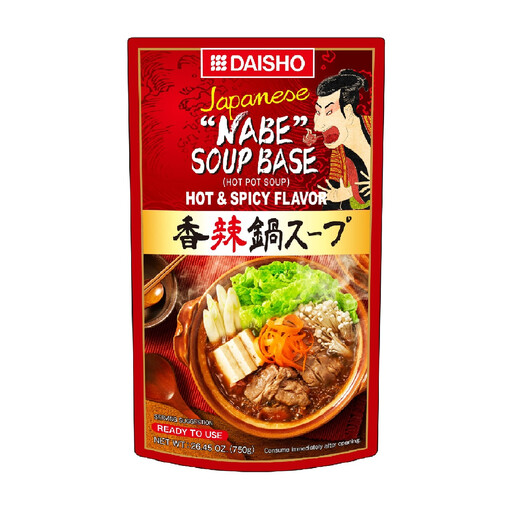
- Why It Stands Out: This soup base delivers a sophisticated heat that goes beyond simple spiciness. It incorporates the distinct, aromatic warmth of Sichuan peppercorns and a fragrant blend of spices like star anise and cinnamon, creating a complex and stimulating broth.
- Pros:
- Balanced Flavour: Combines the rich umami of doubanjiang with a multi-layered spiciness.
- Versatile Use: Works brilliantly as a base for spicy noodle soups or as a seasoning for stir-fry dishes.
- Easy Preparation: The ready-to-use format allows you to create a restaurant-quality meal in minutes.
- Who is it for? Anyone who loves a spicy hot pot broth with depth and character. It’s ideal for adventurous eaters looking to add a bold, fragrant kick to their nabe.
DAISHO Japanese Hot Pot Soup Base Oden 750g
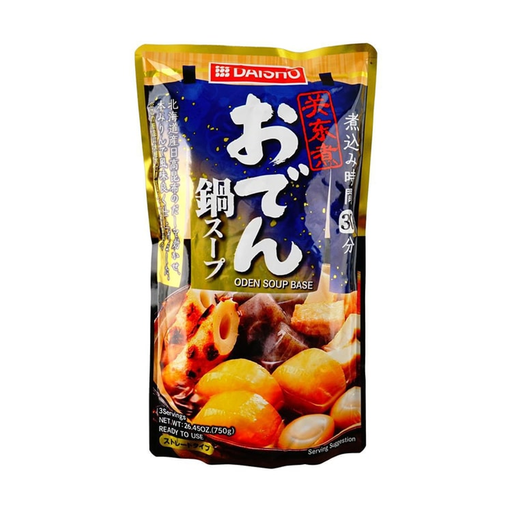
- Why It Stands Out: This oden soup base captures the essence of traditional Japanese comfort food. It features a clean, savoury broth built on the classic umami pairing of bonito and kombu extract, balanced with a high-quality soy sauce.
- Pros:
- Authentic Taste: Delivers the light yet deeply savoury flavour expected of a classic oden.
- Simple to Use: As a concentrate, it’s easy to dilute to your preferred strength for simmering.
- Quality Brand: The Daisho soup base is produced by a renowned Japanese company known for its commitment to authentic flavours.
- Who is it for? Home cooks wanting to recreate the comforting, traditional experience of oden. It’s perfect for slowly simmering ingredients until they are tender and have absorbed the delicious broth.
DAISHO Sukiyaki Hot Pot Soup Base 750g
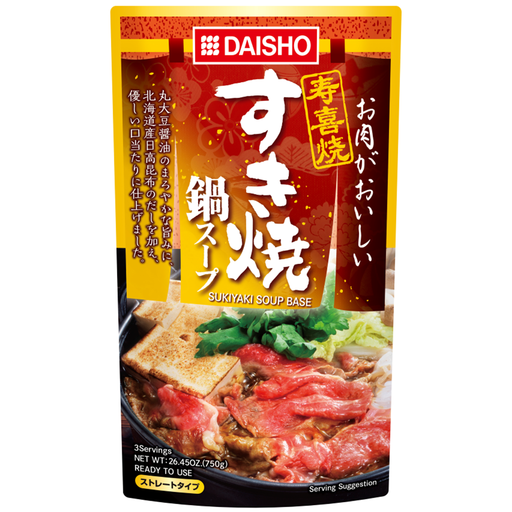
- Why It Stands Out: This base perfectly balances the sweet and savoury notes that define sukiyaki. Made with a rich blend of soy sauce, sugar and bonito extract, it provides the ideal foundation for a classic sukiyaki hot pot.
- Pros:
- Classic Flavour Profile: Achieves the harmonious sweet-and-savoury balance essential for authentic sukiyaki.
- Multi-Purpose: Can be used as a simmering sauce for other dishes like stews or as a flavourful base for stir-fries.
- Family-Sized: The 750g bottle is a concentrate, providing enough base for several family meals.
- Who is it for? Anyone looking to make a traditional sukiyaki soup base at home without the fuss. It is particularly well-suited for meals featuring thinly sliced beef, napa cabbage and shirataki noodles.
Looking for More Options?
While these three selections cover some of the most popular hot pot styles, the world of Japanese nabe is vast. If you're interested in exploring other flavours or brands, there are many more choices available.
Explore our full range of Japanese soup bases here to discover even more ways to enjoy this delightful meal at home.
Frequently Asked Questions (FAQ)
What do you put in a Japanese hot pot?
A Japanese hot pot is incredibly versatile. Common ingredients include thinly sliced meats (beef, pork), seafood (prawns, scallops), tofu (firm and fried), a wide variety of mushrooms (shiitake, enoki, shimeji), leafy greens (napa cabbage, bok choy) and root vegetables (daikon, carrots). Noodles, such as udon or shirataki, are often added at the end to soak up the remaining broth.
Is Japanese hot pot healthy?
Japanese hot pot can be a very balanced and nutritious meal. It is typically packed with vegetables, lean protein and tofu. The cooking method, simmering, requires little to no oil. The overall healthiness depends on your choice of ingredients and broth. Lighter, dashi-based broths like oden are generally lower in calories and fat than richer, sweeter broths like sukiyaki.
How much soup base do I need for a hot pot?
This depends on whether you are using a ready-to-use broth or a concentrate. For ready-to-use pouches, one 750g pack is usually sufficient for a standard hot pot serving 2-4 people. For a Japanese soup concentrate, always check the package for dilution instructions. A common ratio is 1 part concentrate to 3 or 4 parts water, but you can adjust this to suit your personal taste.
By Joybuy Product Recommendation Officer