
Finding Your Flavour: A Home Cook's Guide to Hikari Miso Paste in 2026
Navigating the world of authentic Japanese ingredients can be as exciting as it is complex. If you've ever stood in a food aisle looking at tubs of Hikari Miso Paste, you might have wondered about the real difference between the light, creamy pastes and the dark, rich ones. Which one is right for that comforting bowl of soup, and which will create the perfect glaze for your salmon?
As a Joybuy Product Recommendation Officer, my role is to help you understand these distinctions. This guide is designed to cut through the clutter, offering clear, practical advice to help you select the right fermented soybean paste for your kitchen adventures. We will explore the different types of Hikari miso, what makes each unique and how to use them to bring a touch of authentic Japanese flavour to your meals.
Choosing Your Miso: A Practical Buying Guide
Before we look at specific products, let's cover a few key points that will make choosing your miso much simpler.
1. Understand the Colour and Flavour Spectrum
The colour of miso is a direct indicator of its flavour profile, which is determined by its ingredients and fermentation time.
-
White Miso (Shiro Miso): This type, which includes the popular Shinshu miso, is made with a higher proportion of rice and is fermented for a shorter period. The result is a light, creamy paste with a mild, subtly sweet flavour. It's an excellent choice for delicate dishes like light soups, salad dressings and glazes for fish or vegetables. Its gentle umami quality enhances other ingredients without overpowering them.
-
Red Miso (Aka Miso): Fermented for much longer, often for over a year, red miso paste develops a deep reddish-brown colour and a far more robust, salty and pungent flavour. Varieties like Inaka miso fall into this category. Its powerful, earthy umami makes it ideal for hearty miso soup, rich stews and bold marinades for red meat or poultry.
2. Check the Ingredients for Authenticity
A high-quality, authentic Japanese miso relies on simple, traditional components. When you look at the label, you should expect to see a short list of ingredients, primarily soybeans, rice (or sometimes barley), salt and water. The magic happens through the work of koji, a culture that kick-starts the fermentation process. Hikari is a well-regarded brand that honours these traditional methods, making it a reliable choice for home cooks seeking genuine flavour.
3. Match the Miso to Your Recipe
The most practical way to choose is to consider its primary use.
- For a classic miso for soup: If you prefer a light, everyday soup, a white miso like Shinshu is a versatile starting point. For a more rustic and warming soup, a red miso will deliver a deeper flavour.
- As a powerful umami paste: If your goal is to create a flavourful marinade for a weekend barbecue or a rich glaze for roasted vegetables, the concentrated taste of a red miso is an excellent fit.
- For dressings and light sauces: The smooth texture and mild sweetness of white miso make it perfect for whisking into vinaigrettes or creating creamy, savoury sauces.
Our Top Recommendations for Hikari Miso Paste in 2026
Here are a few of our recommended Hikari miso products, each offering a distinct flavour experience for different culinary applications.
Hikari Miso Aged Red Miso 300g
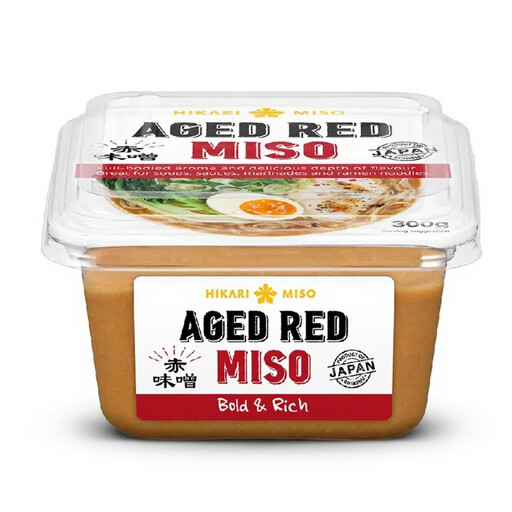
Why It Stands Out: This artisanal miso is crafted using a slow, traditional fermentation process. The result is a dark paste with a deep, complex flavour profile that embodies the heart of Japanese umami. It is aged to develop its characteristic robust and savoury notes.
Pros:
- Deep, robust umami flavour with an earthy aroma.
- Adds profound depth to hearty dishes.
- Versatile for creating rich marinades, glazes and stews.
Who is it for? This is an excellent choice for experienced home cooks or anyone looking to add a powerful and complex savoury dimension to braises, stews and marinades for darker meats.
Hikari Soybean Paste - Shinshu Miso 400g
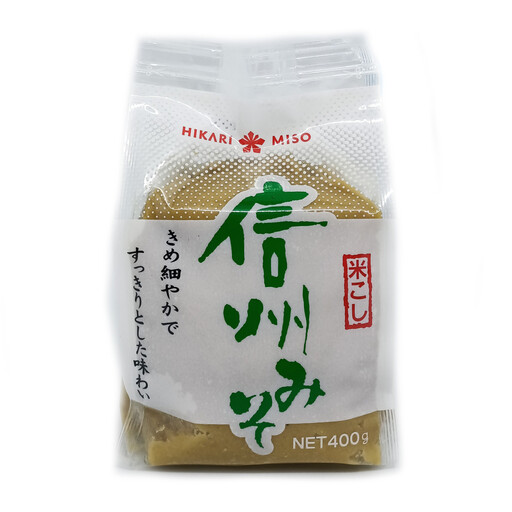
Why It Stands Out: As a classic Shinshu miso, this is a quintessential white miso paste. It comes from the Shinshu region of Japan, an area renowned for producing miso with a mild, slightly sweet character and an exceptionally smooth texture that dissolves with ease.
Pros:
- Mild, approachable and slightly sweet flavour.
- Smooth texture dissolves effortlessly in liquids.
- Highly versatile for everyday cooking, from soups to dressings.
- Packaged in a convenient, easy-to-use 400g pouch.
Who is it for? Perfect for those new to using miso or for cooks who need a versatile, all-purpose paste for daily meals. It excels in light miso soup, glazes for fish and creamy salad dressings.
Hikari Inaka Miso Paste 400g
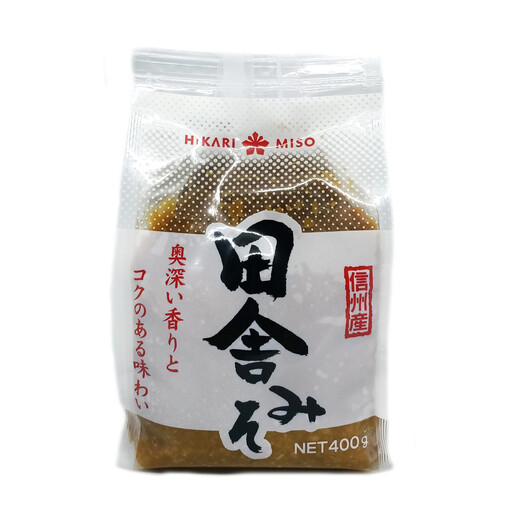
Why It Stands Out: This is a traditional Inaka miso, which translates to "countryside style" miso. It is a type of red miso paste known for its long fermentation, resulting in a strong aroma and a rich, salty flavour. Its slightly coarse texture provides an authentic, rustic character.
Pros:
- Strong, rich umami flavour and a distinctive aroma.
- Authentic, rustic texture with visible koji grains.
- Ideal for robust soups and flavourful noodle dishes.
Who is it for? This paste is for the cook seeking a bold, traditional flavour. It is particularly well-suited for making hearty, warming miso soups or for use as a powerful seasoning in glazes for grilled meat and fish.
Looking for More Options?
The world of miso is vast and flavourful. If these recommendations aren't quite what you're looking for, or if you're curious to explore other types of Japanese cooking ingredients, we invite you to browse our full collection.
Discover more choices in our fermented bean category.
Frequently Asked Questions about Hikari Miso Paste
1. What is the main difference between red and white Hikari miso paste? The primary differences are fermentation time, colour and flavour. White miso (like Shinshu) is fermented for a shorter time, making it lighter in colour with a mild, sweet taste. Red miso (like Inaka or Aged Red) is fermented longer, resulting in a darker colour and a saltier, more robust and pungent flavour.
2. How should I store miso paste after opening it? To maintain its quality, flavour and colour, you should always store miso paste in the refrigerator after opening. Keep it in a well-sealed container to prevent it from drying out. The flavour may continue to mature and deepen slightly over time, which is a natural characteristic of a fermented product.
3. Can I use miso paste in dishes other than soup? Absolutely. Miso is an incredibly versatile umami paste. Beyond soup, you can use it to create marinades for meat, tofu and fish, add depth to stir-fry sauces, whisk it into salad dressings for a savoury kick, or even blend it with butter to make a delicious compound butter for spreading on corn on the cob or bread.