
How to Choose a Health Monitoring Smartwatch in the UK
Keeping track of your health has become more accessible than ever, with many of us looking for convenient ways to monitor our well-being. A health monitoring smartwatch can be a valuable tool, offering insights into everything from daily activity and sleep quality to more specific metrics like heart rate and blood oxygen levels.
However, the market is filled with devices making a wide range of claims. This guide is designed to help you understand what to look for in a health monitoring smartwatch, what the technology can realistically offer and how to choose a device that suits your personal health goals.
What to Consider Before Buying
Navigating the specifications of a modern smartwatch can be complex. Here are a few key points to consider to ensure you find a device that meets your needs.
1. Understand the Sensors and Their Purpose
The core of any health tracker is its sensors. Most watches use photoplethysmography (PPG) sensors—the flashing green lights on the underside—to estimate heart rate and blood oxygen (SpO2). Some advanced models also include an electrocardiogram (ECG) function, which records the electrical activity of your heart to check for rhythm irregularities.
More recently, some devices have emerged as non-invasive health tracker options that offer to estimate trends in blood pressure and even blood glucose. It is crucial to understand that these features on consumer smartwatches are intended for wellness and trend monitoring. They are not certified medical devices and should not be used to diagnose or manage health conditions.
2. Balance Features with Battery Life
A feature-rich smartwatch that constantly tracks metrics will naturally consume more power. A sleep and SpO2 monitor watch that runs overnight or a fitness watch with GPS that tracks your location during a run, will require more frequent charging. Consider your daily routine. If you prefer a "set it and forget it" approach, look for models that prioritise battery longevity. If you want the most data and are happy to charge your device every day or two, then a more powerful, feature-heavy model might be a better fit.
3. Check for Compatibility and Ease of Use
A smartwatch is only as good as the app it pairs with. Ensure the device is compatible with your smartphone (e.g., Android or iOS) and that its companion app is user-friendly. The ability to easily view your health data, spot trends over weeks or months and understand the information presented is just as important as the accuracy of the sensors themselves. A clear, bright display on the watch is also essential for at-a-glance readings.
Recommended Health Monitoring Smartwatches
Here are a few options that cater to different needs, from comprehensive trend tracking to long-lasting battery life.
Smartwatch dido G80S Pumping-Type Health Monitoring
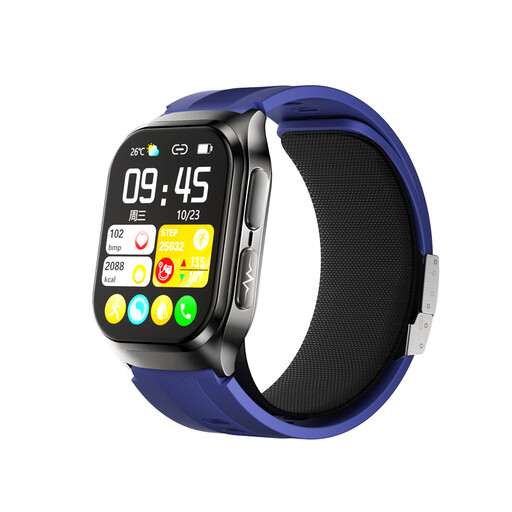
Why It Stands Out: This watch uses an innovative pumping air-cushion mechanism, similar in principle to a traditional cuff, to provide trend-based estimates for blood pressure. It also offers non-invasive trend monitoring for blood glucose, uric acid and lipids, making it one of the most comprehensive wellness trackers available for observing patterns.
Pros:
- Pumping-type band for blood pressure trend measurement.
- Offers trend estimates for blood glucose, uric acid and lipids.
- Includes ECG, heart rate, SpO2 and sleep tracking functions.
- Provides a wide array of data for a holistic view of wellness trends.
Who is it for: Individuals who are keen to monitor a broad spectrum of health indicators and are primarily interested in tracking daily and weekly trends, rather than requiring medically precise measurements from their wrist.
Please note: This is not a medical device. The measurements for blood glucose, uric acid and lipids are trend-based estimates and are not a substitute for laboratory tests. Always consult a doctor for medical advice.
FITTEK Smart Watch S5
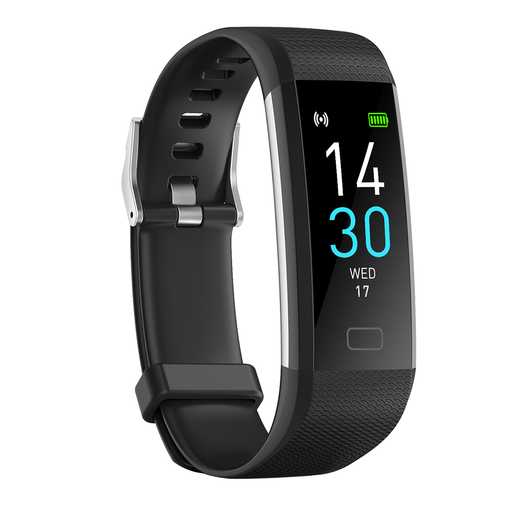
Why It Stands Out: The standout feature of the FITTEK S5 is its remarkable battery performance, offering up to 50 days of standby time. This makes it an excellent choice for those who want continuous, low-maintenance health tracking without the hassle of frequent charging.
Pros:
- Exceptional battery life.
- Continuous 24/7 SpO?, stress and heart rate monitoring.
- Features 16 sports modes for fitness tracking.
- Convenient built-in USB plug for charging.
Who is it for: Users who prioritise battery longevity and need a reliable, straightforward device for core health and fitness monitoring.
Xiaomi Watch 2
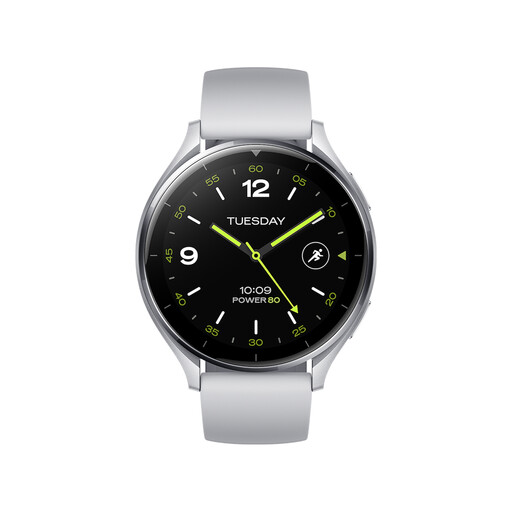
Why It Stands Out: Powered by Google's Wear OS, the Xiaomi Watch 2 is a full-featured smartwatch that blends advanced health monitoring with smart productivity. It offers access to the Google Play Store for a wide range of apps, NFC for contactless payments and a sophisticated suite of health and fitness tools.
Pros:
- Runs on Google Wear OS for extensive app support.
- Advanced sleep analysis and health monitoring.
- Over 150 sport modes with built-in GPS for accurate tracking.
- NFC for convenient contactless payments.
Who is it for: The tech-oriented user looking for an all-in-one device that excels in fitness tracking, health monitoring and everyday smart features within the Android ecosystem.
For Accurate Blood Glucose Measurement: Sinocare Safe AQ Smart Diabetes Testing Kit
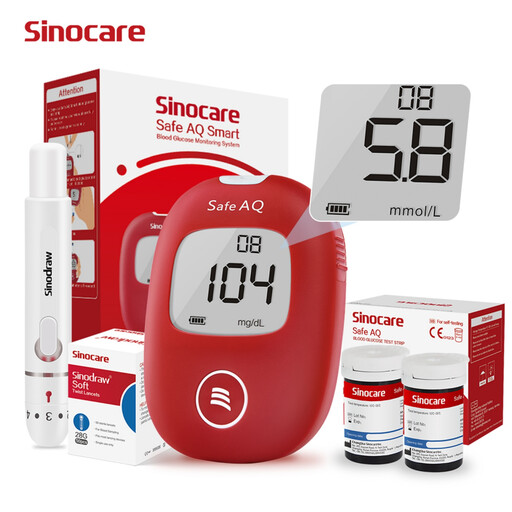
Why It Stands Out: While smartwatches offer trend data, for those who need to manage diabetes, an accurate blood glucose meter is essential. The Sinocare Safe AQ Smart kit provides a reliable, easy-to-use solution for at-home testing, delivering results in just 5 seconds.
Pros:
- Uses an advanced FAD-GDH enzyme system for high accuracy.
- Simple, no-coding operation.
- Fast 5-second test time.
- Complete kit includes meter, strips and lancing devices.
Who is it for: Anyone managing diabetes who requires precise, regular blood glucose readings to complement the wellness trend data from their smartwatch.
Looking for More Options?
If our recommendations don't quite match what you're looking for, or if you'd like to explore a wider variety of features and styles, we have more options available.
Browse our full collection of smart health monitor devices to find the perfect fit for your lifestyle.
Frequently Asked Questions
1. Can a smartwatch accurately measure blood pressure and blood glucose in the UK? Currently, consumer smartwatches available in the UK are not certified as medical devices for measuring blood pressure or blood glucose. Models that offer these features provide estimates for tracking trends over time. They can be useful for observing patterns but should not replace the readings from a dedicated, medically approved blood pressure monitor or a blood glucose watch UK user would supplement with a traditional testing kit.
2. What is the difference between an ECG and a heart rate monitor on a watch? A heart rate monitor (PPG sensor) tracks your pulse in beats per minute, giving you a general idea of your heart's activity during rest and exercise. A smartwatch with blood pressure and ECG goes a step further. The ECG function records the electrical signals of your heart, which can help identify potential irregularities in your heart rhythm. It is a wellness feature intended for screening, and any concerning results should be discussed with a healthcare professional.
3. Do I need a fitness watch with GPS? A built-in GPS is most useful for those who engage in outdoor activities like running, hiking or cycling. It allows the watch to accurately track your route, distance, and pace without needing to be connected to your phone. If your primary interest is monitoring indoor health metrics like sleep, SpO2 and heart rate, or you always carry your phone during workouts, a watch without integrated GPS may be sufficient for your needs.