
Choosing the Right Hand Saws: Top UK Recommendations
Navigating the world of hand saws can be a challenge. With so many types available, choosing the wrong one can lead to a messy cut, a damaged workpiece or simply a lot of frustration. Whether you are a seasoned tradesperson or a weekend DIY enthusiast, having the right tool for the job is essential for achieving a clean, professional finish.
This guide is designed to help you understand the key differences between common hand saws and identify the right one for your specific project. We will cover what to look for when buying and highlight a few recommended models for various tasks, from cutting metal pipes to fitting new floorboards.
How to Choose the Right Hand Saw
Before you make a purchase, consider these practical points. Matching the saw to your task will ensure better results and a longer life for your tool.
1. Match the Saw to the Material
The most fundamental rule is to use the right blade for the right material. A wood saw is designed with large, sharp teeth to quickly remove timber fibres, while a metal cutting saw, such as a hacksaw, has much smaller, harder teeth designed to grind through metal. Using a wood saw on metal will destroy the blade, and using a hacksaw on wood will be slow and inefficient. The number of teeth per inch (TPI) is a key indicator: a lower TPI (e.g., 7-12) is typical for a timber saw for fast cutting, while a higher TPI (e.g., 18-32) is needed for a smooth finish on metal or plastic.
2. Consider the Scale and Precision of Your Task
The type of job dictates the type of saw. For general-purpose cutting of wooden planks or posts, a standard panel saw is suitable. However, for more specialised jobs, you need a purpose-built tool. A floorboard saw, for example, often has a curved or pointed tip that allows you to start a cut in the middle of a board—a task known as a plunge cut. For very detailed work, a precision saw like a junior hacksaw offers greater control for small, intricate cuts in materials like plastic or thin metal.
3. Evaluate Build Quality and Handling
A good hand saw should feel sturdy and balanced. For a hacksaw, look for a rigid frame and a reliable blade tensioning system. A blade that is not held taut will wander, resulting in an inaccurate cut. For any DIY saw, a comfortable, non-slip handle is important for both safety and reducing fatigue during prolonged use. The material of the blade itself—often high-carbon steel—is also a good indicator of its durability and ability to hold a sharp edge.
Recommended Hand Saws
Based on common DIY and professional needs, here are our recommendations for reliable and effective hand saws.
Silverline Hacksaw High Tension
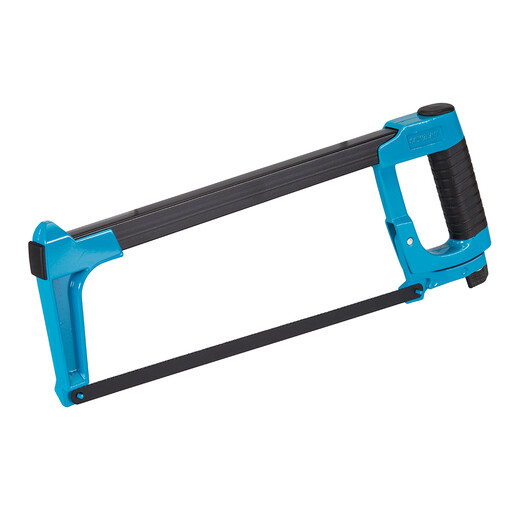
Why It Stands Out: This tool is built around a high-tension mechanism, which is crucial for keeping the blade perfectly straight under pressure. This feature allows for faster, smoother and more accurate cuts through metal compared to standard hacksaws with lower tension. The robust cast aluminium handle adds to its stability and durability.
Pros:
- High-tension blade mechanism for precise, straight cuts.
- Durable cast aluminium handle with a comfortable rubber grip.
- Includes a carbon steel blade designed for efficient cutting.
Who is it for? Ideal for plumbers, mechanics and DIYers who frequently need a reliable metal cutting saw for tasks like cutting pipes, threaded rods and metal brackets.
Silverline Floorboard Saw 300mm 14tpi
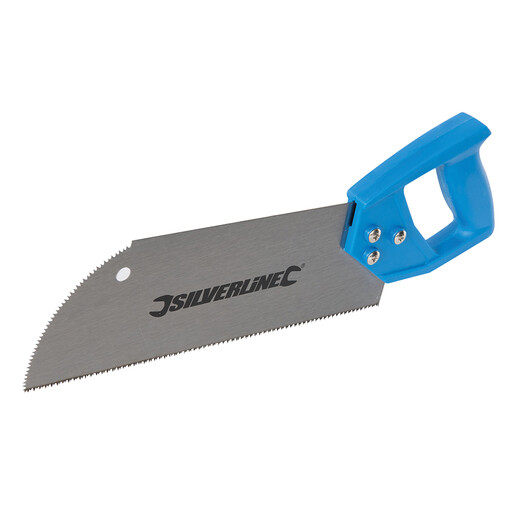
Why It Stands Out: Specifically designed for flooring applications, this saw’s strength lies in its ability to make clean cuts in confined spaces. The blade is engineered to cut through hard, soft and man-made timber, making it versatile for various flooring materials. Its 14 TPI blade strikes a good balance between cutting speed and a clean finish.
Pros:
- Purpose-built for cutting floorboards and other timber materials.
- Durable steel blade provides accuracy and longevity.
- 14 TPI configuration delivers a clean, precise cut.
Who is it for? An essential tool for carpenters, joiners and home renovators tasked with installing or repairing wooden or laminate flooring. Its design is perfect for cutting boards to length and making cut-outs for pipework.
Silverline Junior Hacksaw 150mm
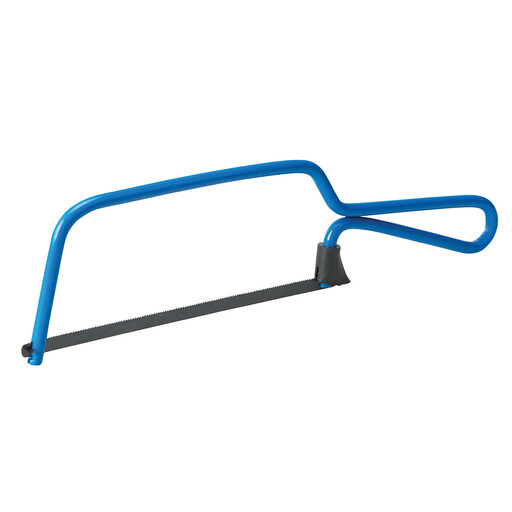
Why It Stands Out: The compact size and fine-toothed blade make this junior hacksaw an excellent choice for detailed work. The sturdy 6 mm thick steel frame provides control and minimises flex, while the 24 TPI blade is perfect for achieving a smooth finish on small items. The integrated finger guard is a thoughtful safety feature.
Pros:
- Compact design for controlled use in tight spaces.
- Fine 24 TPI blade for precise cuts in light metal and plastic.
- Sturdy steel frame and an integrated finger guard for safety.
Who is it for? Perfect for model makers, craft enthusiasts and anyone needing a precision saw for small-scale repairs or projects involving delicate materials. It is a very useful addition to any home toolkit.
Looking for More Options?
The hand saws featured here cover some of the most common cutting tasks, but every project is unique. If you are looking for a different type of saw or want to compare more models, there are many other specialist and general-purpose tools available.
For a wider selection, explore our full Hand & Power Tools category to find the perfect tool for your next project.
Frequently Asked Questions About Hand Saws
1. What does TPI mean on a saw blade? TPI stands for "Teeth Per Inch." It measures the density of teeth on a saw blade. A lower TPI (fewer teeth per inch) results in a faster, more aggressive cut that is suitable for softwoods. A higher TPI (more teeth per inch) produces a slower, smoother and more controlled cut, which is ideal for hardwoods, metal and plastic.
2. Can I use a wood saw to cut metal? It is strongly advised not to. The teeth on a wood saw are designed to scoop out wood fibres and are not hard enough to cut metal. Attempting to do so will quickly dull or damage the blade, create an unsafe cutting situation and will not cut the metal effectively. Always use a hacksaw or another appropriate metal-cutting blade for metal.
3. How should I maintain my hand saw? To keep your hand saw in good condition, always clean the blade after use to remove resin or debris. Store it in a dry place to prevent rust and use a blade guard if one is provided. For saws with replaceable blades, like hacksaws, change the blade as soon as it becomes dull to ensure clean cuts and safe operation.