
Choosing Your Baby's First Infant Milk: Our Top Recommendations for 2026
Welcoming a new baby brings a world of joy, alongside a long list of decisions. One of the most important is choosing how to feed your little one. Whether you are planning to exclusively bottle-feed or looking for a combination feeding formula to supplement breastfeeding, the array of options can feel overwhelming. From organic baby formula to those based on goat's milk, understanding the differences is key.
This guide is designed to provide clear, practical information about first infant milk. We will walk through the key considerations for selecting a newborn formula and highlight a few standout options to help you make a confident choice for your baby's first months.
Important Notice: Breastfeeding is widely recommended for babies. First infant milk is intended to replace breast milk when mothers do not breastfeed. It is recommended that all formula milks be used on the advice of a doctor, midwife, health visitor or other professional responsible for maternal and child care.
Navigating the World of Newborn Formula: A Quick Guide
All stage 1 baby formula sold in the UK is nutritionally complete and must meet strict legal standards. However, there are differences in composition and sourcing that may influence your decision.
1. Understanding the Stages
For the first six months, your baby only needs first infant milk, also known as Stage 1 formula. This type of baby milk powder is carefully formulated to provide all the nutrients your newborn requires. Follow-on milks (Stage 2) are designed for babies from six months onwards as part of a varied weaning diet and have a different nutritional composition.
2. Cow's Milk, Goat's Milk or Organic?
The majority of infant formulas are based on cow's milk. However, alternatives are becoming increasingly popular:
- Cow's Milk Formula: The most common type, with the milk proteins modified to be suitable for babies.
- Goat Milk Formula: This option uses goat's milk as its base. The protein structure of goat's milk is different from cow's milk, which some parents prefer for its perceived gentleness.
- Organic Baby Formula: This certification ensures that the ingredients, particularly the milk, come from farms that adhere to strict organic standards for animal welfare, land use and the avoidance of synthetic pesticides.
3. Reading the Label
By law, all UK infant formulas must contain key nutrients, including DHA (Docosahexaenoic acid), an omega-3 fatty acid that supports normal visual development. Other factors parents often consider include whether the formula contains palm oil or uses plant-based sources for its fatty acids, making it suitable for vegetarian diets.
Our Top Recommendations for First Infant Milk in 2026
Here are a few carefully selected options that cater to different parental priorities and infant needs.
Kendamil Organic First Infant Milk Stage 1
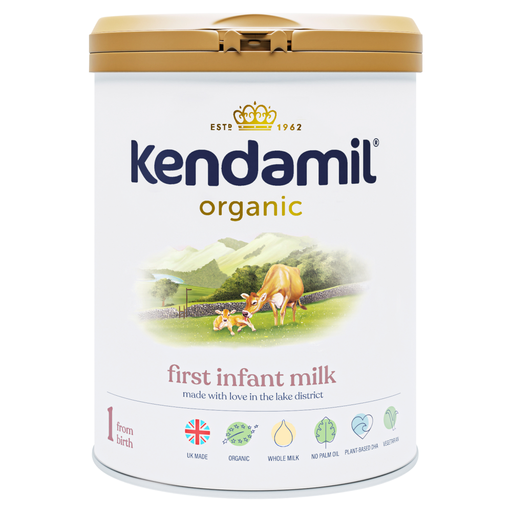
Why It Stands Out: Kendamil stands apart with its commitment to British, organic ingredients. It is one of the few formulas on the market that uses organic whole milk as a natural fat source, reducing the need for some vegetable oils. Its formulation is also palm oil-free and vegetarian-friendly, as it uses plant-based DHA from microalgae instead of fish oil.
Pros:
- 100% British Organic Whole Milk: Sourced from Red Tractor certified farms in the Lake District.
- Vegetarian Society Approved: A suitable choice for vegetarian families.
- No Palm Oil or Fish Oil: Formulated with sustainability and gentler digestion in mind.
Who is it for? This is an excellent choice for parents who prioritise organic ingredients, environmental sustainability and supporting local British farming.
Aptamil 1 First Infant Milk From Birth
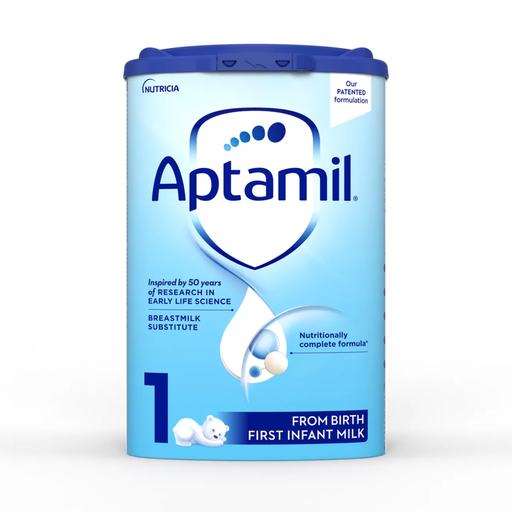
Why It Stands Out: As a long-standing and widely recognised brand, Aptamil's formulation is informed by decades of research into breast milk. It is a nutritionally complete newborn formula that contains their patented blend of Galacto- and Fructo-oligosaccharides (GOS/FOS).
Pros:
- Scientifically Developed: Backed by over 50 years of research.
- Contains GOS/FOS: A unique blend of prebiotics.
- Practical Packaging: The 800g EazyPack tin is designed for hygienic and accurate preparation with a built-in scoop leveller.
Who is it for? Parents looking for a trusted, widely available and scientifically developed cow's milk formula that has been a staple choice for families for many years.
Nannycare Stage 1 First Infant Milk Goat Milk Based
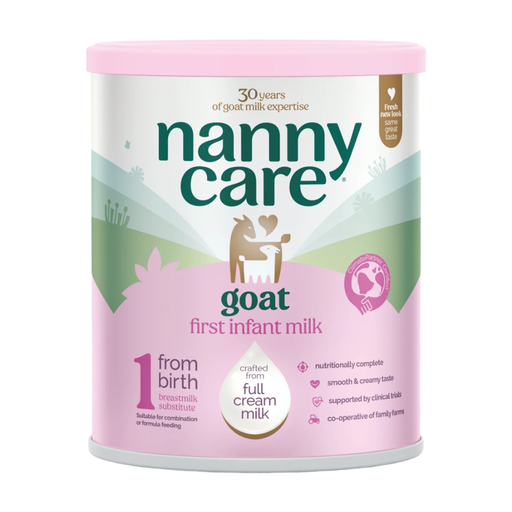
Why It Stands Out: Nannycare offers a gentle alternative to cow's milk-based formulas. Made with high-quality whole goat milk from New Zealand, this formula is less processed to retain more of the milk's natural goodness. It provides a complete nutritional profile for babies from birth.
Pros:
- Goat Milk Base: A well-regarded alternative to traditional cow's milk formulas.
- Minimal Processing: Uses whole goat milk to preserve natural milk fats and nutrients.
- Nutritionally Complete: Provides all the essential vitamins and minerals, including DHA, required for healthy development.
Who is it for? This is a leading option for parents specifically seeking a goat milk formula, perhaps due to personal preference or because they are looking for a formula with a different protein composition than cow's milk.
Looking for More Options?
Every baby is unique, and the right formula is the one that works for your child and your family. The products highlighted here are just a starting point. If you'd like to compare other brands or types of baby milk powder, you can explore our complete collection.
Browse Our Full Range of First Infant Milk
Frequently Asked Questions about First Infant Milk
What is the difference between Stage 1 and Stage 2 formula?
Stage 1, or first infant milk, is designed to be a baby's sole source of nutrition from birth up to 12 months, though it's primarily used for the first six months. Stage 2, or follow-on milk, is suitable only from six months onwards and is intended to complement a weaning diet, not as a sole source of nutrition. It has higher levels of certain nutrients, like iron, to meet the needs of a growing baby.
Can I switch between different brands of newborn formula?
Yes, all formulas sold in the UK meet the same strict nutritional standards. However, they have slightly different compositions, so switching may cause a temporary change in your baby's digestion or feeding habits. If you decide to switch, many health professionals suggest doing so gradually. It is always best to consult your health visitor or GP before making changes to your baby's diet.
Is organic baby formula a better choice?
Nutritionally, both organic and non-organic formulas must adhere to the same stringent safety and composition regulations. The term 'organic' refers to the farming methods used to produce the ingredients. Choosing an organic baby formula is a personal decision, often based on a preference for farming practices that avoid synthetic fertilisers and pesticides and adhere to high standards of animal welfare.