
Our Top Recommendations for an Ergonomic Office Chair with Footrest in 2026
Spending long hours at a desk is a reality for many of us, whether we're working from a home office, in a corporate setting or studying. This prolonged sitting can often lead to familiar discomforts like persistent lower back pain, neck strain and leg fatigue. An effective way to address this is by investing in a chair designed not just for sitting, but for supporting your body throughout the day.
An ergonomic office chair with footrest is a practical solution that combines postural support with the ability to relax and decompress during breaks. This article will guide you through the key features to consider when choosing a chair and present a few carefully selected options to help you find the right fit for your needs.
What to Look for in a Desk Chair for Long Hours
Navigating the market for office chairs can be overwhelming. To simplify your search, focus on these core features that directly impact comfort and long-term health.
1. Comprehensive Adjustability and Lumbar Support
The cornerstone of any good ergonomic chair is its ability to adapt to your unique body shape. A one-size-fits-all approach rarely works for prolonged sitting. Look for an office chair with lumbar support that is adjustable in height and depth, allowing it to fit snugly into the natural curve of your lower back. Beyond the lumbar region, consider chairs with adjustable seat height, armrests (height, width and pivot) and an adjustable headrest to ensure your entire body is correctly aligned and supported.
2. The Right Material for Your Environment
The material of your chair affects both comfort and maintenance. While leather and fabric have their appeal, a mesh office chair offers distinct advantages for those spending long hours seated. High-quality mesh provides firm, breathable support that conforms to your body while promoting airflow. This helps to regulate temperature and prevent overheating, keeping you comfortable and focused, especially during warmer months.
3. Recline and Footrest Functionality
A reclining office chair with footrest offers more than just a place for a quick nap. The ability to recline and elevate your feet is an ergonomic tool. During short breaks, shifting your posture by reclining helps to take pressure off your spinal discs and lower back. Elevating your legs with a footrest can improve circulation and reduce swelling or fatigue after hours of sitting. This combination is excellent for taking restorative pauses that can boost your productivity when you return to your work.
Our Top Recommendations for 2026
Here are a few recommendations that balance ergonomic features, durability and user comfort.
SIHOO B100JT Office Chair with Footrest
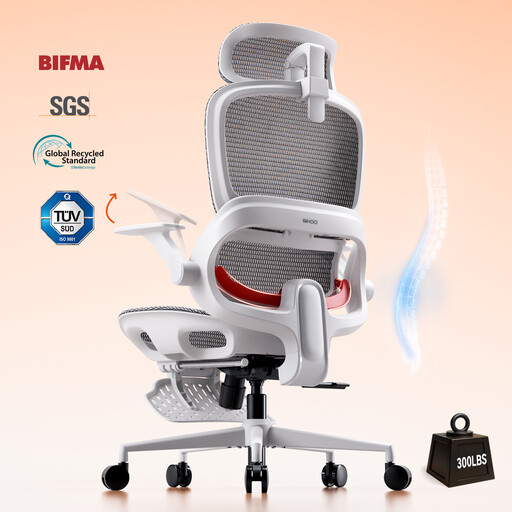
Why It Stands Out: The SIHOO B100JT is a well-rounded option that provides a suite of ergonomic features in a single package. Its standout feature is the adaptive lumbar support, which moves with you to provide consistent backing. The addition of a wide headrest and a retractable footrest makes it a versatile high back computer chair suitable for both intensive work and relaxation.
Pros:
- Adaptive lumbar support for dynamic back comfort.
- Convenient retractable footrest for breaks.
- Flip-up armrests allow the chair to be pushed under a desk easily, saving space.
- Padded seat cushion designed for long-term comfort.
Who is it for? This chair is ideal for professionals and students who need a versatile chair for a multi-purpose workspace. The flip-up arms are particularly useful for those with compact desks or limited room.
Sihoo M18 Pro Ergonomic Office Chair with Footrest
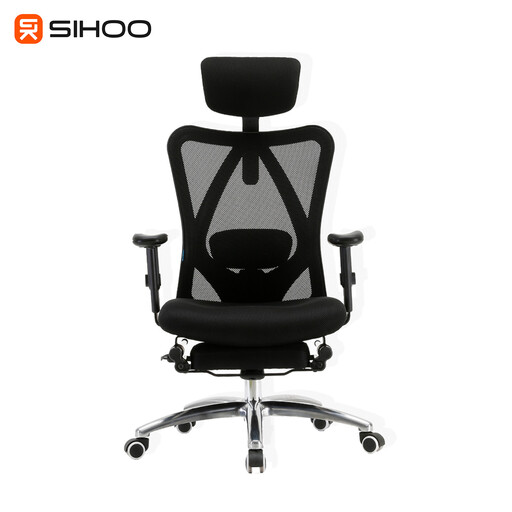
Why It Stands Out: The SIHOO office chair M18 Pro model focuses on a high degree of customisation and breathability. Its full breathable mesh design covers the backrest, headrest and seat, ensuring maximum airflow. With five main adjustment points—including the headrest, back support, seat height, armrests and recline—it allows for precise ergonomic tuning. The chair's construction, featuring an aluminium alloy base and SGS & BIFMA certified components, points to its durability.
Pros:
- Full breathable mesh construction for superior temperature regulation.
- Five distinct adjustment zones for a highly personalised fit.
- W-shaped and waterfall edge seat design helps to reduce pressure on the legs.
- Durable build with a strong aluminium base.
Who is it for? This is an excellent choice for users who prioritise breathability and fine-tuned ergonomic control. It's particularly well-suited for individuals who work very long hours and are sensitive to heat buildup.
A Solid Alternative: SIHOO B100JT (Without Footrest)
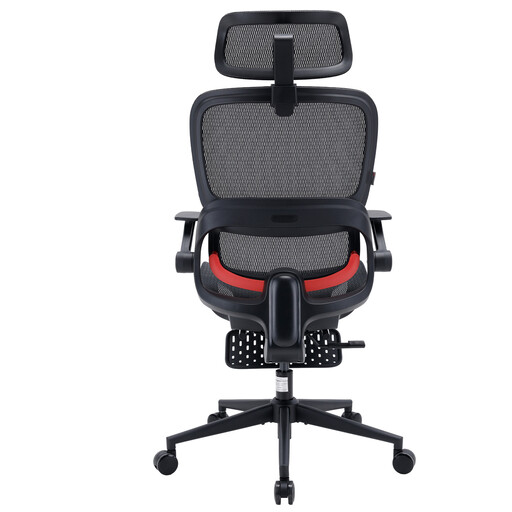
Why It Stands Out: For those who appreciate the core ergonomic design of the B100JT but don't require an integrated footrest, this version offers a compelling alternative. It retains all the key support features, including the adaptive lumbar support, wide headrest and practical flip-up armrests, in a more streamlined profile.
Pros:
- Features the same excellent adaptive lumbar support as the footrest model.
- Space-saving flip-up armrests.
- Provides core ergonomic benefits at a potentially more accessible price point.
Who is it for? This chair is for individuals who already use a separate footstool or have decided that an integrated footrest is not a priority, but still want the high-level ergonomic support and comfort of the B100JT design.
Looking for More Options?
These selections represent just a fraction of the available choices. If you're looking for different materials, styles or features, there are many other models to consider.
Explore our complete range of Footrest Chair options to find the perfect match for your workspace and comfort needs.
Frequently Asked Questions
Is an ergonomic office chair with a footrest worth it? For individuals who spend many hours at a desk, it can be a very worthwhile investment. A footrest encourages posture variation during breaks, which is key to avoiding the strain of static positions. By allowing you to recline and elevate your legs, it helps reduce pressure on the lower spine and improve blood flow, contributing to greater comfort and sustained focus throughout the day.
How do I properly use a reclining office chair with a footrest? The recline and footrest functions are best used for short, restorative breaks rather than for working. When you need a pause, recline the backrest to a comfortable angle (around 120-135 degrees is often recommended) and extend the footrest to elevate your legs. This shifts your body's pressure points. It is generally not advisable to work for extended periods in a deeply reclined position.
What is the most important feature in a desk chair for long hours? While features like a footrest and headrest enhance comfort, the single most critical feature for a desk chair for long hours is high-quality, adjustable lumbar support. Proper, consistent support for the natural curve of your lower back is fundamental to maintaining good posture, preventing slouching and minimising the risk of chronic back pain.