
Our Top Recommendations for Dog Worming Tablets in the UK for 2026
As a dog owner, keeping your companion healthy and happy is a top priority. A crucial part of this routine care is regular worming. Intestinal worms are a common issue that can affect dogs of all ages and sizes, potentially leading to discomfort and more serious health problems if left untreated. However, with so many products on the market, choosing the right dog worming tablets can feel overwhelming.
This guide is designed to help you navigate the options. We'll walk through key considerations for selecting a treatment and highlight a few recommended products, helping you make a confident choice for your dog's specific needs.
How to Choose the Right Dog Dewormer
Before you purchase, it's helpful to understand a few key factors. This ensures you select a treatment that is both suitable and effective for your pet.
1. Match the Treatment to Your Dog's Weight and Age
Dosage for worming treatments is almost always based on body weight. Giving a small dog a tablet formulated for a large one can be dangerous, while under-dosing may be ineffective. Always weigh your dog accurately before purchase. Age is also a critical factor; a puppy wormer is formulated differently from an adult treatment, with specific products suitable for puppies as young as two weeks old. Always check the product's age and weight specifications.
2. Understand the Spectrum of Action
Different wormers target different types of parasites. The most common intestinal worms in UK dogs are roundworms and tapeworms. Many products offer a roundworm and tapeworm treatment for dogs in a single dose. For more comprehensive protection, a broad spectrum wormer for dogs will also cover other parasites like whipworms and hookworms. Consider your dog's lifestyle—for example, if they frequently scavenge or interact with many other dogs—when deciding on the level of protection needed.
3. Consider Ease of Administration
Let's be honest: giving a dog a tablet isn't always straightforward. To make the process less stressful for you and your pet, look for easy to give worming tablets. Some are designed to be hidden or crushed in food, while others are pork-flavoured to encourage your dog to take them willingly. This small detail can make a significant difference to your regular worming routine.
Our Top Recommendations for 2026
Here are our recommendations for dog worming tablets, selected to meet a range of different needs based on dog size, age and the type of treatment required.
Beaphar Wormer One Dose Small Dogs
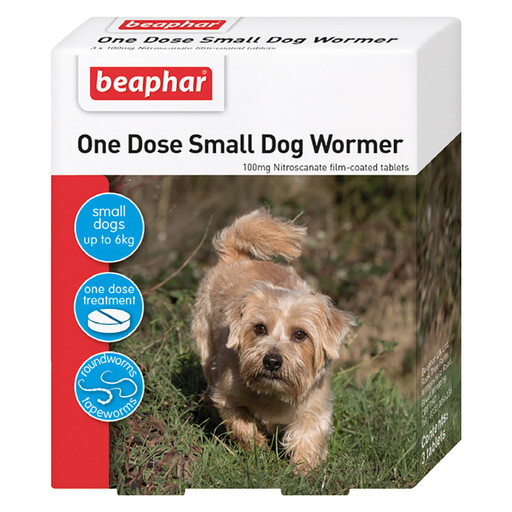
Why It Stands Out: This treatment offers a straightforward, single-dose solution specifically for the needs of smaller breeds. Its formulation is targeted and designed to be mixed with food, removing the struggle of direct administration.
This UK-authorised veterinary medicine is a reliable choice for routine worm treatment for small dogs. Each tablet contains 100mg nitroscanate to effectively target common roundworms and tapeworms.
Pros:
- Specifically formulated for small dogs and puppies (weighing up to 6kg).
- One-dose treatment for common roundworms and tapeworms.
- Designed to be easily administered by mixing with a small portion of food.
- Comes in a 3-tablet pack, useful for multiple treatments or households.
Who is it for? This is an ideal choice for owners of small dog breeds (like Chihuahuas, Pomeranians and Shih Tzus) and puppies over 6 months old, weighing between 2kg and 6kg.
View Beaphar Wormer for Small Dogs
Itch Wormer for Extra Large Dogs
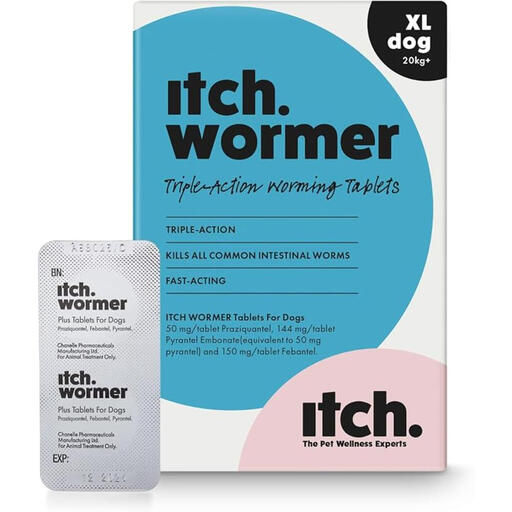
Why It Stands Out: Finding an effective large dog wormer with the correct dosage can be a challenge. This product from Itch is tailored specifically for extra-large breeds, ensuring a precise and effective dose without the need for multiple tablets.
It provides broad-spectrum action against common internal parasites, and the tablets can be given directly or mixed with food, offering flexibility for owners of even the most discerning giant breeds.
Pros:
- Precisely dosed for extra-large dogs (1 tablet per 50kg body weight).
- Broad-spectrum formula targets common parasites like roundworms and tapeworms.
- Tablets can be given directly or crushed into food for easy administration.
- Practical 2-tablet pack suitable for a single treatment course.
Who is it for? This is designed for owners of extra-large dog breeds such as Great Danes, Mastiffs and Saint Bernards who need a reliable and accurately dosed deworming solution.
View Itch Wormer for Extra Large Dogs
Beaphar WORMclear for Dogs up to 20kg
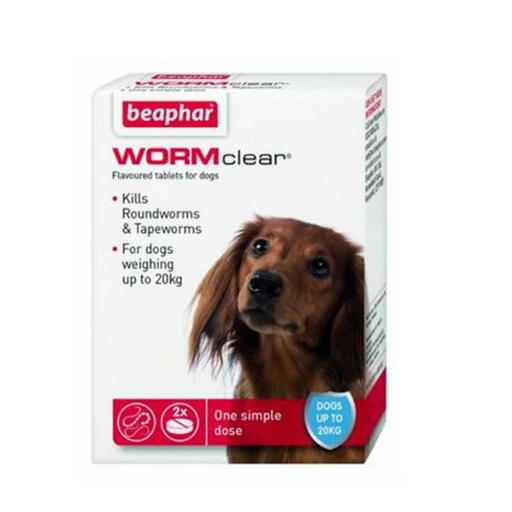
Why It Stands Out: This is a highly versatile, broad-spectrum wormer suitable for a wide range of dogs, including young puppies. Its three active ingredients—Praziquantel, Pyrantel embonate and Febantel—work together to kill all common intestinal worms found in the UK.
The pork flavouring makes it one of the more easy to give worming tablets, as many dogs will take it as a treat. Its suitability for puppies from just 2 weeks of age (and over 3kg) makes it a great all-rounder for many households.
Pros:
- A
broad spectrum wormer for dogs, effective against roundworms, tapeworms, hookworms and whipworms. - Suitable for puppies from 2 weeks of age (and over 3kg).
- Pork-flavoured for high palatability and easy administration.
- Can be used for nursing bitches to treat them alongside their puppies.
Who is it for? This is an excellent option for owners of puppies and adult dogs weighing between 3kg and 20kg who are looking for comprehensive, all-in-one protection against common UK intestinal worms.
View Beaphar WORMclear for Dogs
Looking for Other Options?
If the products above don't quite fit your dog's needs, or if you're interested in exploring other health products like joint care, skin and coat supplements or calming aids, we have a wider selection available.
Explore Our Full Range of Dog Supplements Here
Frequently Asked Questions
How often should I worm my dog?
For most adult dogs in the UK, the general recommendation is to administer a dog dewormer every three months. However, puppies require more frequent treatment—typically every two weeks until they are 12 weeks old, then monthly until six months of age. Always follow the specific instructions on the product packaging or consult your vet.
What are the signs my dog might have worms?
Common signs include "scooting" (dragging their bottom on the floor), a dull coat, changes in appetite, weight loss, a pot-bellied appearance (especially in puppies) or visible worms or eggs in their faeces. However, dogs can have worms without showing any obvious signs, which is why a regular preventative routine is so important.