
Our Top DJI Gimbal Stabiliser Recommendations for 2026
Shaky, jarring video can instantly detract from the story you are trying to tell, whether it is a travel vlog, a family memory or content for your social media followers. While modern smartphones and cameras have improved image stabilisation, a dedicated DJI gimbal stabiliser is a purpose-built tool for achieving smooth, cinematic motion.
Navigating the options can be confusing. Do you need a phone gimbal, a more robust stabiliser for a mirrorless camera or an all-in-one vlogging camera? This guide is designed to help you understand the key differences and identify a suitable model for your creative projects. We will look at some popular choices from the DJI Osmo and Ronin series to help you make an informed decision.
A Practical Guide to Choosing Your Gimbal
Before diving into specific products, consider these key factors to narrow down your search.
1. Device Compatibility and Payload
The most important consideration is what you will be filming with. A gimbal designed for a smartphone will not support the weight of a mirrorless camera and lens.
- For Smartphones: Look for a dedicated phone gimbal. These are lightweight and designed to clamp securely onto various phone sizes.
- For Cameras: If you use a mirrorless or DSLR camera, you need a stabiliser with a sufficient payload capacity. Check the gimbal's maximum supported weight and ensure it can handle your camera body plus your heaviest lens. The DJI RS 3 Mini, for example, is designed specifically for this purpose.
2. Portability and Use Case
Think about where and how you will be filming. Your choice of travel video gear will likely differ from a studio setup.
- On-the-Go Creators: If you are a travel vlogger or constantly on the move, a lightweight and portable gimbal is essential. Foldable designs like the DJI Osmo Mobile series or an integrated unit like the Osmo Pocket are ideal.
- Demanding Shoots: For more controlled or professional shoots, a slightly larger gimbal may offer more robust motors and advanced features, providing greater stability with heavier camera setups.
3. Essential Features for Modern Video
Today’s gimbals offer more than just stabilisation. Features like subject tracking and versatile shooting modes can significantly improve your workflow.
- Subject Tracking: An ActiveTrack camera feature allows the gimbal to automatically follow a person or object, keeping it perfectly framed. This is invaluable for solo creators.
- Shooting Modes: Look for features like native vertical shooting for social media, 360° pan for immersive shots and easy-to-use templates for quick editing.
Our Top Recommendations for 2026
Here are a few standout options from DJI, each catering to a different type of video creator.
DJI Osmo Mobile 8 Gimbal Stabiliser for Phone
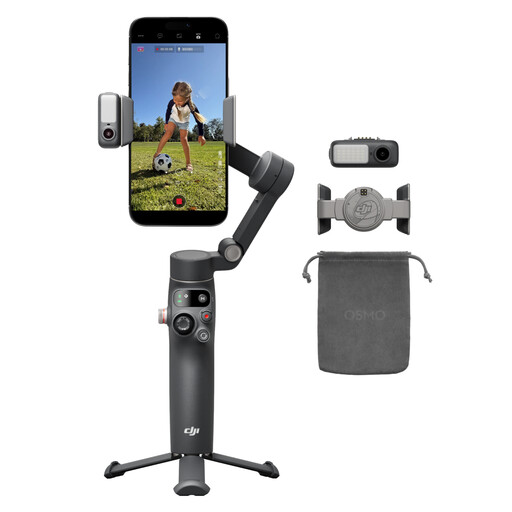
Why It Stands Out: The Osmo Mobile 8 is a complete content creation tool for your smartphone. It integrates stabilisation with lighting and audio tracking capabilities, reducing the need for extra accessories. Its foldable design and built-in extension rod make it exceptionally versatile for vlogging and travel.
Pros:
- Robust 3-axis gimbal stabilisation for smooth footage.
- Native tracking that works directly with your phone's camera.
- Integrated extension rod and tripod for group shots and varied angles.
- 10-hour battery life with the ability to charge your phone while filming.
- Seamless 360° pan rotation for creative, immersive shots.
Who is it for? This is an excellent choice for social media creators, vloggers and anyone who primarily uses their smartphone for video and wants a portable, all-in-one solution.
View details for the DJI Osmo Mobile 8
DJI RS 3 Mini 3-Axis Mirrorless Gimbal
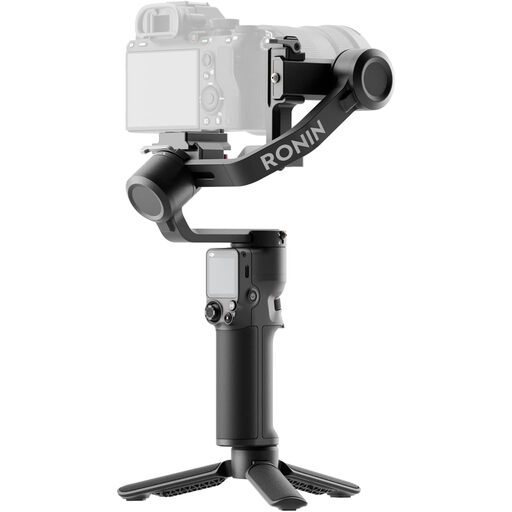
Why It Stands Out: The RS 3 Mini addresses a common issue for mirrorless camera users: bulky stabilisers. Weighing just 795g, it offers a powerful stabilisation system in a travel-friendly package, capable of supporting a wide range of popular camera and lens combinations.
Pros:
- Lightweight 795g (1.75 lbs) body, easy to handle for long periods.
- Supports a payload of up to 2 kg (4.4 lbs), compatible with many mirrorless setups.
- Bluetooth shutter control allows you to start/stop recording directly from the gimbal.
- Features native vertical shooting for creating social media content without extra brackets.
- Equipped with the 3rd-Gen RS Stabilisation algorithm for professional-grade smoothness.
Who is it for? This is aimed at semi-professional videographers and serious hobbyists who use mirrorless cameras from brands like Canon, Sony and Fujifilm and need a powerful yet portable gimbal.
View details for the DJI RS 3 Mini
DJI Osmo Pocket 3 Vlogging Camera
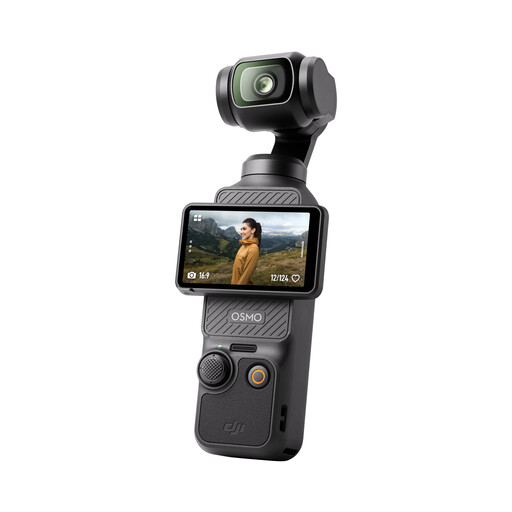
Why It Stands Out: The Osmo Pocket 3 is not just a gimbal; it is a complete, pocket-sized vlogging camera. With a high-quality 1-inch sensor and built-in 3-axis camera stabiliser, it eliminates the need to pair a phone or camera. Its rotating screen and advanced tracking make it a formidable tool for creators who value speed and portability above all else.
Pros:
- Large 1-inch CMOS sensor capable of recording in 4K/120fps.
- Advanced 3-axis mechanical stabilisation for ultra-steady footage.
- ActiveTrack 6.0 keeps you perfectly in frame, even while moving.
- A 2-inch rotatable touchscreen for easy framing of horizontal and vertical shots.
- Stereo recording and direct connectivity for DJI Mic 2 for high-quality audio.
Who is it for? Ideal for travel vloggers, journalists and content creators who want an incredibly compact, all-in-one device that can be ready to shoot in seconds without compromising on video quality.
View details for the DJI Osmo Pocket 3
Explore Other Stabilisation Options
If these models do not quite match what you are looking for, there are many other solutions available. From different brands to models with specific features, you can find the right tool for your budget and creative needs.
Explore our full range of Image stabiliser options to see more.
Frequently Asked Questions
What is the difference between DJI Osmo Mobile and Osmo Pocket?
The main difference is that the DJI Osmo Mobile is a gimbal that uses your smartphone as the camera. The DJI Osmo Pocket, on the other hand, is an all-in-one device with its own integrated camera and gimbal, so no phone is required to operate it.
Can I use a DJI gimbal with any phone or camera?
Not necessarily. Phone gimbals like the Osmo Mobile series are designed for smartphones and have specific weight and dimension limits. Camera stabilisers like the RS series have a maximum payload capacity. It is crucial to check the compatibility list on the product page to ensure your specific phone or camera-and-lens combination is supported.
Is a 3-axis camera stabiliser worth it for vlogging?
For most vloggers, a 3-axis stabiliser is a highly valuable tool. It smooths out the unavoidable shakes and jitters from walking and talking, giving your videos a more polished and professional look. Features like subject tracking also make it much easier for solo creators to film themselves without needing a camera operator.