
A Guide to Choosing Your Dassai Sake in 2026: Understanding 23, 39 and 45
Navigating the world of premium Japanese sake can be a rewarding journey, and the name Dassai often stands out as a benchmark for quality. Produced by the renowned Asahi Shuzo brewery, Dassai has captivated enthusiasts with its refined and aromatic profile. However, for many, the numbers on the bottle—23, 39 and 45—can be a point of confusion. What do they signify, and how do you choose the right one for your palate and occasion?
As a Joybuy Product Recommendation Officer, my role is to provide clear, practical guidance to help you make an informed choice. This guide will demystify the differences between the main Dassai expressions, allowing you to select the perfect bottle with confidence, whether for a quiet evening, a celebratory dinner or a thoughtful gift.
A Practical Guide to Selecting Your Dassai Sake
Before diving into our recommendations, understanding a few key principles will help you appreciate what makes each bottle of Dassai sake unique.
1. The Meaning Behind the Numbers: Rice Polishing Ratio
The number on a bottle of Dassai—be it 45, 39 or 23—is not an age statement or quality score. It refers to the seimaibuai, or the rice polishing ratio. This number indicates the percentage of the original rice grain that remains after the outer layers have been milled away.
- Dassai 45: 45% of the rice grain remains.
- Dassai 39: 39% of the rice grain remains.
- Dassai 23: A remarkable 23% of the rice grain remains.
Why is this important? The outer part of a rice grain contains fats and proteins that can create rough or less desirable flavours in sake. By polishing it away to reveal the pure starch core (shinpaku), brewers can create a more fragrant, clean and elegant sake. A lower number signifies more polishing, a more labour-intensive process and typically results in a more delicate and refined flavour profile. All Dassai sake is made using high-grade Yamadanishiki rice, often called the "king of sake rice."
2. Understanding the Grade: Junmai Daiginjo
All Dassai sake is classified as Junmai Daiginjo. This is the highest grade of sake.
- Junmai: Means "pure rice," indicating that the sake is made from only rice, water, yeast and koji mould, with no distilled alcohol added.
- Daiginjo: Refers to sake made with rice polished to at least 50%.
Because all Dassai expressions far exceed this 50% minimum, they represent a commitment to a premium, pure-rice style. This focus on purity is a core part of the identity of this premium Japanese sake.
3. Matching the Sake to the Occasion
The variation in refinement and Dassai sake price across the range makes each bottle suited for different moments.
- Dassai 45 is often seen as a superb entry point, offering the signature Dassai character in a balanced and approachable form.
- Dassai 39 steps up the elegance, making it an excellent choice for special meals or for those with a developing palate for sake.
- Dassai 23 is the pinnacle of the range, a spirit of subtlety and precision reserved for milestone celebrations or as a distinguished gift for a connoisseur.
Our Top Recommendations for Dassai Sake in 2026
Here is a closer look at the three core expressions to help you find your ideal match.
Dassai 45 Otter Festival Junmai Daiginjo Sake 720ml
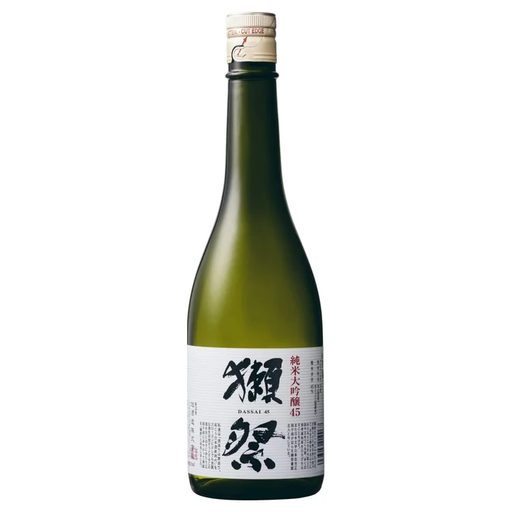
Why It Stands Out: Dassai 45 is celebrated for its exceptional balance. It delivers the clean, fruity and aromatic profile the brand is known for, but in a way that is both sophisticated and highly accessible. It presents a harmonious blend of ripe white peach and cantaloupe notes with a silky-smooth texture, leading to a crisp and clean finish.
Pros:
- Bright, fruity aroma with notes of pear and magnolia blossom.
- Silky, smooth mouthfeel with no harshness.
- A clean finish with a pleasant, lingering sweetness.
- Versatile for pairing with a wide range of foods, from sashimi to light stir-fries.
Who is it for? This is an excellent choice for those new to the world of premium sake or anyone seeking a high-quality expression for regular enjoyment. Its balance and approachability make it a reliable and satisfying option for dinners and social gatherings.
Dassai 39 Otter Festival Junmai Daiginjo Sake 720ml
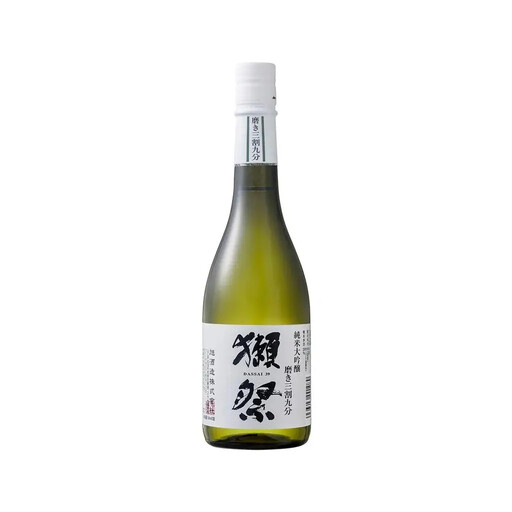
Why It Stands Out: With more of the rice grain polished away, Dassai 39 offers a noticeable step up in refinement and aromatic complexity. The flavour profile is more layered and elegant than the 45. It opens with delicate notes of white peach and Asian pear, supported by a subtle floral sweetness and clean minerality. The texture is exquisitely smooth and the finish is crisp and long.
Pros:
- Complex and layered aroma with bright fruit and floral notes.
- Exceptionally smooth and refined on the palate.
- Bright acidity provides a beautiful balance to the inherent umami of the rice.
- Pairs wonderfully with delicate dishes like grilled white fish or soft-shell crab.
Who is it for? Dassai 39 is suited for the sake enthusiast looking to explore a more nuanced expression. It is an ideal companion for a special meal or for those who appreciate the subtle complexities that come from meticulous brewing.
Dassai 23 Otter Festival Junmai Daiginjo Sake 720ml
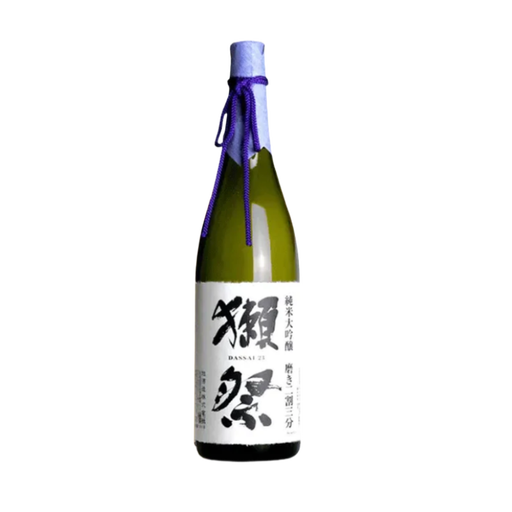
Why It Stands Out: Dassai 23 is the flagship of the brewery and a benchmark for ultra-premium sake. The extreme polishing to 23% results in a sake of unparalleled purity and smoothness. The aromas are subtle and ethereal—think faint hints of melon, pear and white flowers. The taste is not about powerful impact but about sophisticated restraint. It delivers a light, silky mouthfeel with a clean, almost weightless finish that lingers delicately.
Pros:
- The pinnacle of refinement with an exceptionally smooth, polished texture.
- Subtle and highly elegant aromatic profile.
- A clean, gentle flavour that expresses the purest character of the rice.
- An outstanding choice for pairing with high-end cuisine like premium sashimi or sea urchin.
Who is it for? This is a sake for true connoisseurs and landmark occasions. If you are looking for an extraordinary gift for a discerning individual or wish to mark a significant celebration with something truly special, Dassai 23 is a memorable choice.
Exploring Other Premium Options
While Dassai offers a remarkable journey through the art of rice polishing, the world of sake is wonderfully diverse. If you are interested in exploring other expressions from different breweries or regions, we invite you to browse our curated collection of premium rice wine.
Frequently Asked Questions
What does "Dassai" mean?
The name "Dassai" translates to "Otter Festival." This is a reference to the local Yamaguchi prefecture, where otters were known to lay out their captured fish on the riverbank, resembling a festival or a display of items. The founder of Asahi Shuzo, Hiroshi Sakurari, adopted this name to symbolise his approach of "displaying" new ideas and challenging the traditional sake industry.
How should I serve Dassai sake?
To fully appreciate the delicate aromatics of any Dassai sake, it is recommended to serve it lightly chilled (around 10-12°C). Serving it in a white wine glass, rather than a traditional small sake cup, allows the aromas to collect and be properly savoured.
What is the main taste difference between Dassai 23, 39 and 45?
In simple terms:
- Dassai 45 is the most fruit-forward and balanced, with a clean and accessible profile.
- Dassai 39 is more elegant and complex, with a greater depth of aroma and a more refined texture.
- Dassai 23 is the most subtle and pure, focusing on an exceptionally smooth, light body and a delicate, clean finish. It is less about bold flavour and more about texture and nuance.