
A Guide to Cerelac Baby Cereal: Our Top Recommendations for UK Parents in 2026
Navigating the weaning journey with your little one can be both an exciting and a daunting time. As a parent or caregiver, you want to provide meals that are not only nutritious and supportive of their development but also convenient for your busy schedule. Finding a trusted option that your baby will enjoy is a top priority.
This is where products like Cerelac baby cereal come into the picture. As a well-known brand of Nestle baby food, it offers a range of fortified cereals designed for different stages of your child's growth. This guide, prepared by the Joybuy Product Recommendation Office, aims to provide clear, practical information to help you understand the options available and choose the right cereal for your infant or toddler.
Choosing the Right Infant Cereal: A Quick Guide
Before exploring specific products, here are a few points to consider when selecting a baby cereal.
1. Check the Age Suitability
A baby's nutritional needs change rapidly. It's important to choose a cereal that is specifically formulated for their developmental stage. Products are clearly labelled, whether it's a fortified baby cereal for 6 months to introduce solids, or a toddler cereal 12 months and older to meet the demands of a more active child. Always check the packaging for the recommended age range.
2. Understand the Nutritional Fortification
A key feature of many baby cereals is their fortification with essential vitamins and minerals. An iron rich baby cereal is particularly important, as iron contributes to normal cognitive development. Other nutrients like Calcium and Vitamin D support the normal growth of bones, while Vitamins A, C and Zinc contribute to the normal function of the immune system. Cerelac is an infant cereal with milk powder already included, making it a convenient just add water cereal that simplifies preparation.
3. Consider Dietary Needs and Flavours
As your baby's palate develops, you can introduce different flavours. Options range from simple wheat to more complex tastes like Cerelac wheat and honey or Cerelac mixed fruit. For families with specific dietary requirements, it's useful to know that many Cerelac products are certified as halal baby cereal and are suitable for vegetarians.
Our Top Recommendations for Cerelac Baby Cereal in 2026
Here are our recommendations from the Cerelac range, selected to meet the needs of children at different stages.
Cerelac Wheat Fortified Baby Cereal 6-36 Months 1kg
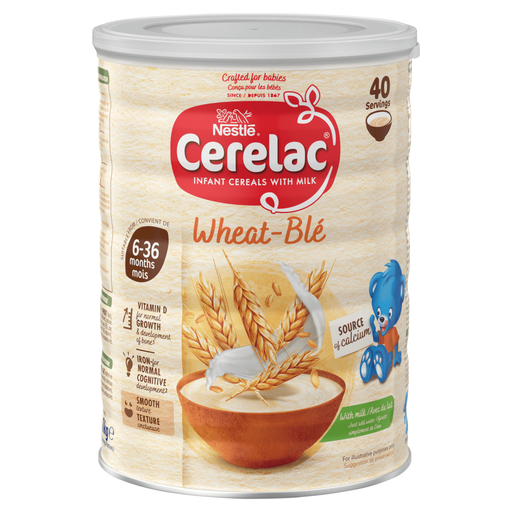
Why It Stands Out: This cereal is an excellent starting point for the weaning journey. Its simple, wheat-based formula is designed to be gentle on a baby's developing digestive system. It contains no added sugar, relying only on naturally occurring sugars from the grains and milk.
Pros:
- Suitable from 6 months: Formulated as a first weaning food.
- Nutritionally Fortified: An iron rich baby cereal that also contains Calcium, Vitamin D and Zinc.
- No Added Sugar: Contains only naturally occurring sugars.
- Simple Preparation: A just add water cereal for quick and easy meals.
Who is it for? This is ideal for parents and caregivers introducing solid foods to babies from 6 months of age. It provides a plain, nutritious base that can be served on its own as your baby gets used to new textures.
Nestlé Cerelac Mixed Fruits & Wheat With Milk Infant Cereal 7-36 months 1kg
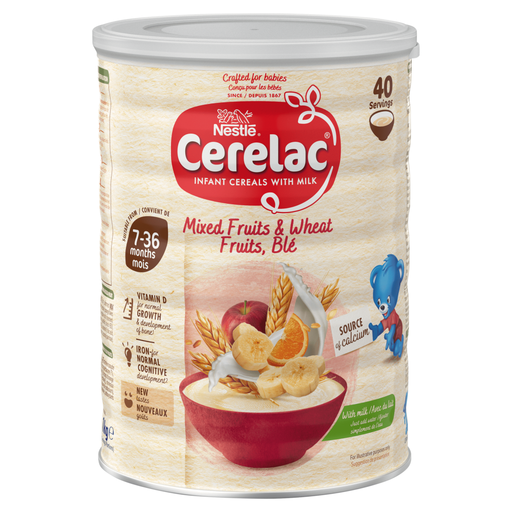
Why It Stands Out: Once your baby is comfortable with basic cereals, this Cerelac mixed fruit option is a great next step. It introduces new tastes and a slightly more complex texture with the inclusion of real fruit flakes, including banana, apple and orange.
Pros:
- Introduces New Flavours: Helps expand your baby's palate with a gentle fruit taste.
- Contains Real Fruit: Made with banana, apple and orange flakes.
- Supports Development: Fortified with iron for cognitive development and calcium for bone growth.
- Convenient Size: The Cerelac 1kg tin offers excellent value for regular use.
Who is it for? This is a suitable choice for babies from 7 months onwards who are ready to explore new flavours beyond a simple grain cereal.
Cerelac Infant Cereals with Milk Wheat & Honey 12-36 Months 1kg
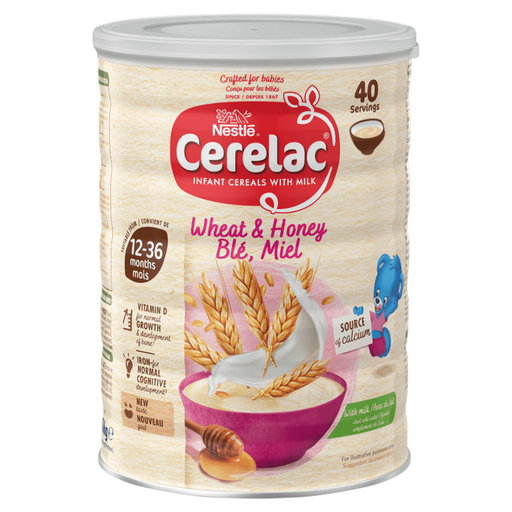
Why It Stands Out: Specifically designed for toddlers, this Cerelac wheat and honey cereal caters to their growing energy needs and developing taste preferences. The addition of honey provides a pleasant flavour that often appeals to toddlers, making mealtimes easier.
Pros:
- Tailored for Toddlers: A toddler cereal 12 months and up, with a nutritional profile to match.
- Appealing Flavour: The subtle sweetness of honey can encourage fussy eaters.
- Key Nutrient Support: Enriched with iron, calcium and vitamins to support active toddlers.
- Important Note: This product contains honey and is not suitable for infants under 12 months of age.
Who is it for? This is designed for parents of toddlers aged 12 to 36 months who are looking for a nutritious, flavourful and easy-to-prepare meal option.
Looking for More Options?
If these specific varieties aren't quite what you're looking for, or if you'd like to browse other wheat-based cereals and pack sizes, we have a wider selection available.
Discover more in our 1kg wheat cereal collection.
Frequently Asked Questions
1. How do you prepare Cerelac baby cereal? Preparation is straightforward. First, wash your hands and ensure all utensils are clean. Boil fresh tap water and allow it to cool to a lukewarm temperature. For a standard serving, mix 25g of Cerelac powder with 75ml of the lukewarm water. Stir until the cereal is smooth, check the temperature and serve immediately.
2. Is Cerelac a complete meal for a baby? In line with Department of Health recommendations, Cerelac is intended as a complementary food, not a breast milk substitute. It should be served as part of a varied and balanced diet to help introduce your baby to solid foods from around 6 months of age.
3. Can I buy Cerelac in a 1kg tin? Yes, all the options highlighted in this guide are available in a large Cerelac 1kg tin. This size is economical and convenient for families who use the cereal regularly, providing approximately 40 servings per tin.