
How to Choose the Right Car Diagnostic Tool
That amber glow of the check engine light on your dashboard can be a source of instant anxiety. Is it a minor issue, or is your car about to face a costly repair? Taking control of your vehicle's health starts with understanding what's happening under the bonnet. A reliable car diagnostic tool is no longer just for professional garages; it's an essential piece of kit for any UK car owner, from the weekend DIY enthusiast to the seasoned technician.
These devices plug into your vehicle's On-Board Diagnostics (OBD) port, giving you direct insight into its computer systems. You can read and clear fault codes, monitor live data and perform essential maintenance resets. But with so many options available, choosing the right one can be confusing. This guide will help you understand the key features to look for and provide our top recommendations to help you make an informed decision.
How to Choose a Car Diagnostic Tool
Before you decide, consider these three key factors. Getting this right will ensure you invest in a tool that meets your needs today and in the future.
1. Vehicle Compatibility and Protocols
All petrol cars sold in the UK since 2001 and diesel cars since 2004 are required to have an OBD2 port. While most basic scanners support this, modern vehicles use newer communication protocols. Look for tools that support CAN-FD (common in General Motors vehicles post-2020) and DoIP (used by brands like Jaguar, Land Rover and BMW for high-speed diagnostics). Always check a tool's specific brand and model coverage to ensure it works with your car.
2. Diagnostic Depth: Engine Only vs. All Systems
The most affordable devices are often a simple engine fault code reader. They are great for identifying why the check engine light is on. However, they cannot see issues in other crucial areas. An all system diagnostic tool can communicate with every electronic control unit (ECU) in the vehicle, including the Anti-lock Braking System (ABS), Airbags (SRS), Transmission and Body Control Module (BCM). This provides a complete picture of your vehicle's health.
3. Advanced Functions: Resets, Control and Coding
For those who do more than just read codes, advanced functions are critical.
- Service Resets: Look for an oil reset tool function, as well as resets for the Electronic Parking Brake (EPB), Diesel Particulate Filter (DPF) and Battery Management System (BMS).
- Bi-Directional Control: A bi-directional scan tool can send commands to the vehicle to test components. For example, you can command the fuel pump to turn on or cycle the ABS solenoids, which is invaluable for pinpointing the exact cause of a fault.
- ECU Coding: Reserved for more advanced tools, ECU coding allows you to re-programme modules after replacement or unlock hidden features in a vehicle. This is a must-have for professional workshops and serious enthusiasts.
Top Car Diagnostic Tool Picks
Based on features, user needs and long-term value, here are our recommendations.
XTOOL Automobile Engine Fault Detector Tool AD20Pro V2.0
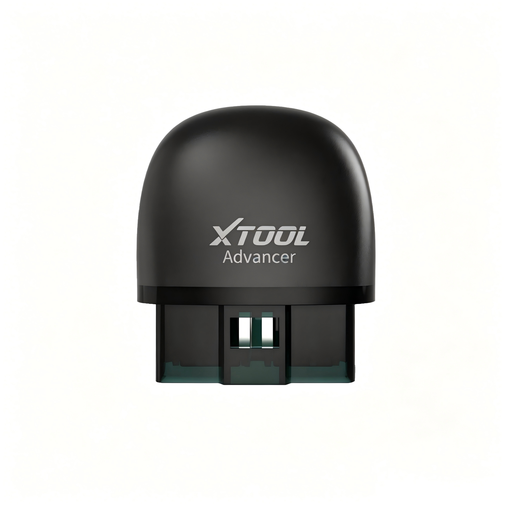
Why It Stands Out: The AD20Pro is a compact and highly accessible bluetooth car scanner that turns your smartphone into a powerful diagnostic tool. Its key appeal is simplicity and value, offering all-system scanning capabilities and lifetime free updates without any subscription fees.
Pros:
- All System Diagnostics: Reads and clears codes from all major systems, not just the engine.
- Lifetime Free Updates: Ensures the tool stays current with new vehicle models and functions at no extra cost.
- Key Maintenance Functions: Includes an oil reset tool and a battery voltage test.
- User-Friendly App: Connects via Bluetooth 5.0 to iOS and Android devices, with features like a customisable HUD and trip recording.
Who is it for? This is an excellent choice for car owners and DIY beginners who want to diagnose warning lights, perform basic maintenance like oil resets and monitor their vehicle's health without investing in a bulky, complex device.
XTOOL A30M OBD2 Diagnostic Device BT
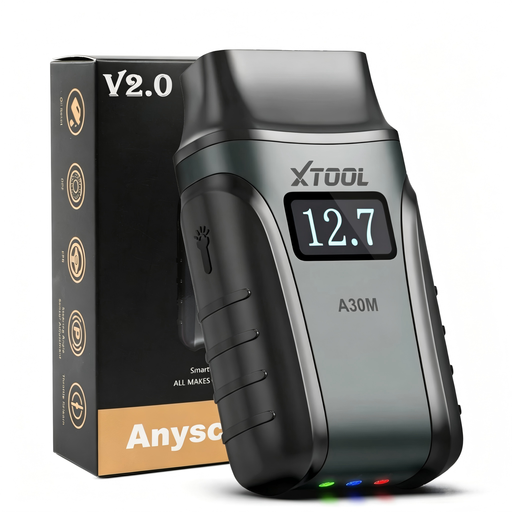
Why It Stands Out: The A30M steps up from basic scanners by introducing bi-directional control (active tests). This feature, typically found in more expensive tools, allows you to actively test components, dramatically speeding up the troubleshooting process. It remains a portable, app-based solution but packs professional-level functionality.
Pros:
- Bi-Directional Control: Send commands to vehicle systems to test actuators like fuel injectors, A/C clutches and windows.
- 26+ Maintenance Services: A comprehensive suite of reset functions including ABS Bleeding, SAS adjustment, DPF regeneration and injector coding.
- CAN FD Protocol Support: Compatible with newer GM vehicles without needing an extra adapter.
- Lifetime Free Updates: One-time purchase with no ongoing software fees for all functions.
Who is it for? The A30M is ideal for the serious DIY mechanic or small workshop owner who needs to go beyond reading codes and perform active tests and a wide range of service resets.
MUCAR 892BT Professional OBD2 Diagnostic Scanner
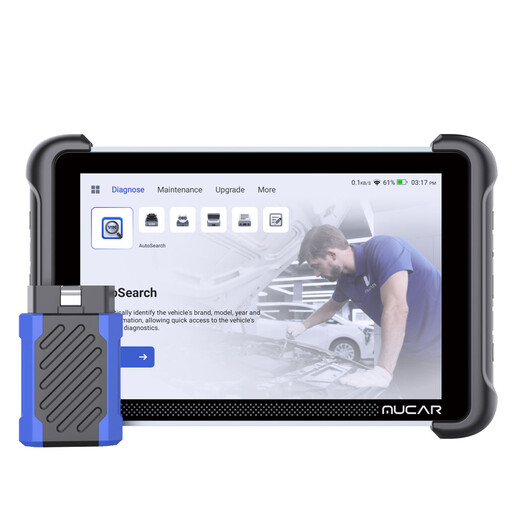
Why It Stands Out: This is a fully-fledged professional automotive scan tool built for the demands of a modern workshop. It combines an 8-inch touchscreen tablet with a powerful VCI dongle, offering advanced functions like ECU coding and support for the latest vehicle protocols, all with the significant advantage of lifetime free updates.
Pros:
- Advanced ECU Coding & Bi-Directional Control: Perform deep vehicle customisation, module replacements and comprehensive active tests.
- Extensive Coverage: Supports CAN-FD & DoIP protocols and covers over 100,000 vehicle models worldwide.
- 34+ Service Functions: A vast library of maintenance procedures for almost any job.
- Professional Hardware: Features a responsive 8" tablet, a magnetic VCI for secure connection and expandability to support tools like oscilloscopes and endoscopes.
- Lifetime Free Updates: A major cost-saving feature for a professional-grade tool, eliminating annual subscription fees.
Who is it for? This tool is designed for professional technicians and garages that require a robust, all-in-one diagnostic solution capable of handling complex jobs on a wide variety of modern vehicles.
Looking for More Options?
The world of vehicle diagnostics is vast, and your specific needs might call for a different tool. Whether you need a simple car code reader for your glovebox or a specialised device for a particular brand, there are many other choices available.
Explore our full range of OBD diagnostic tools to find the perfect match for your vehicle and budget.
Frequently Asked Questions
1. What is the difference between a basic OBD2 scanner and an all-system diagnostic tool? A basic OBD2 scanner or car code reader is designed to access the engine control unit to diagnose emissions-related faults, which is what typically triggers the check engine light. An all system diagnostic tool goes much further, communicating with every electronic module in the car, including ABS, airbags (SRS), transmission, climate control and more, giving you a complete vehicle health report.
2. Is a tool with 'lifetime free updates' worth it? Absolutely. Vehicle manufacturers release new models and software updates every year. A diagnostic tool without updates will quickly become obsolete and unable to communicate with newer cars. A tool with lifetime free updates ensures it remains effective for years to come without the recurring cost of annual subscriptions, offering significant long-term value.
3. Do I need a bi-directional scan tool? For simply reading and clearing fault codes, you do not. However, if you perform your own repairs, a bi-directional scan tool is a game-changer. It allows you to send commands directly to vehicle components to test their functionality. For instance, you can command the cooling fans to turn on to verify the circuit is working, saving hours of guesswork and diagnostic time.