
Top Bone Conduction Headphones for Swimming
Finding headphones that can keep up with an active lifestyle is a common challenge. For swimmers, runners and cyclists, the requirements are even more specific: they need to be durable, secure and, most importantly, allow you to remain aware of your surroundings. Traditional in-ear buds often fall short, either by falling out, blocking essential ambient noise or failing after exposure to water.
This is where bone conduction technology offers a practical solution. By transmitting sound through your cheekbones directly to your inner ear, these headphones leave your ear canals completely open. This guide will walk you through the key features to look for in bone conduction headphones for swimming and other sports, and present a few carefully selected options to consider for your next workout.
What to Look for When Buying Sports Headphones
Choosing the right pair of sports headphones goes beyond just sound quality. Here are a few critical factors to consider, especially for multi-sport athletes in the UK.
1. Waterproofing: Understanding the IP Rating
For any headphones intended for use in water, the Ingress Protection (IP) rating is the most important specification. This two-digit code classifies the device's resistance to solids (first digit) and liquids (second digit).
- IP67: This rating means the device is dust-tight and can withstand immersion in water up to 1 metre deep for 30 minutes. This is sufficient for a sweaty run or getting caught in the rain, but not for swimming.
- IP68: This is the standard you should look for in waterproof bone conduction headphones. An IP68 rating signifies the device is dust-tight and protected against continuous immersion in water, making it suitable for swimming laps in a pool.
2. Onboard Storage: The MP3 Imperative
A common misconception is that you can stream music via Bluetooth while swimming. Bluetooth signals do not travel well through water, meaning your connection will drop almost immediately upon submersion. To listen to audio while you swim, you need sports headphones with MP3 functionality. This means the headset has built-in storage, allowing you to load your music, podcasts or audiobooks directly onto the device and play them without needing a phone nearby.
3. Fit, Comfort and Safety
For any high-impact activity like running or intense gym sessions, a secure fit is non-negotiable. A good bone conduction headset will have a lightweight, wraparound titanium frame that sits securely over your ears and around the back of your head. This design not only prevents them from falling off but also enhances safety. The open-ear nature of these headphones is particularly valuable for cycling headphones and open-ear running headphones, as it allows you to hear traffic, pedestrians and other important environmental cues.
Our Top Product Recommendations
Here are our recommendations for bone conduction headphones that cater to a range of athletic needs, from dedicated swimmers to all-round fitness enthusiasts.
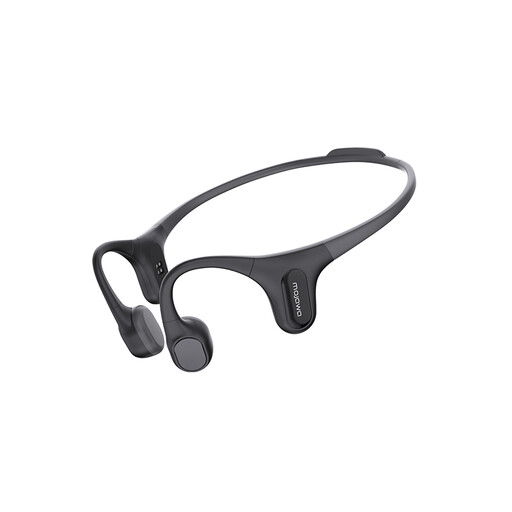
Mojawa RunPlus Bone Conduction Headphones
Why It Stands Out: The Mojawa RunPlus is built specifically with swimmers in mind. It combines a full IP68 waterproof rating with a generous 32GB of built-in MP3 storage, which is enough for thousands of songs. This means you can leave your phone in the locker and enjoy uninterrupted audio during your entire swim session. Its design focuses on a secure fit that remains stable even during flip turns and vigorous strokes.
Pros:
- IP68 rating for complete waterproofing during swimming.
- Large 32GB internal memory for MP3 playback.
- Dual-mode functionality (Bluetooth for land, MP3 for water).
- Engineered for a secure fit during intense activity.
Who is it for?: Serious swimmers and triathletes who need a reliable audio companion for their pool training.
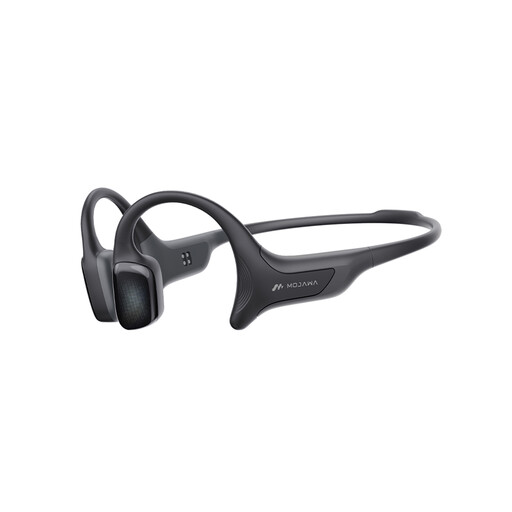
Mojawa HaptiFit Terra Advanced Smart Sports Wearable
Why It Stands Out: The HaptiFit Terra takes the concept of a sports headphone a step further by integrating smart features. Like the RunPlus, it boasts an IP68 rating and 32GB of MP3 storage, making it fully capable for swimming. Its distinguishing feature is the built-in AI-powered fitness tracking, which can monitor metrics like heart rate, steps and distance, providing real-time feedback. The inclusion of a heart rate monitor makes it a comprehensive training tool for those who are data-driven.
Pros:
- IP68 waterproof and 32GB MP3 player for swimming.
- Integrated heart rate monitor and activity tracking.
- Provides real-time voice and vibration alerts for fitness goals.
- A versatile option for swimming, running and gym headphones.
Who is it for?: The data-focused athlete who wants an all-in-one device for tracking performance and listening to audio across multiple sports, including swimming.
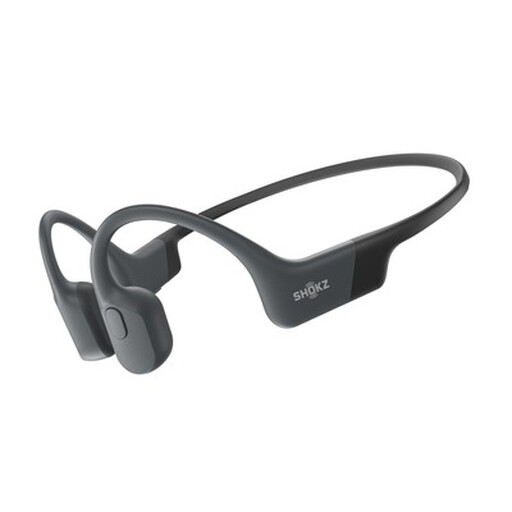
Shokz OpenRun Black Bone Conduction Sport Headphones
Why It Stands Out: While not designed for swimming, the Shokz OpenRun is a leading choice for land-based activities. It features an IP67 rating, making it fully resistant to sweat, dust and rain. Its lightweight frame and secure fit are well-regarded among runners and cyclists. The OpenRun is known for its clear audio and reliable Bluetooth 5.1 connection, complemented by a dual noise-cancelling microphone for taking calls on the go. A 10-minute quick charge provides 1.5 hours of playback, which is ideal for spontaneous workouts.
Pros:
- IP67 rating protects against sweat and rain.
- Lightweight, ergonomic design for long-lasting comfort.
- Quick-charge functionality is very convenient.
- Excellent for maintaining situational awareness during outdoor runs and cycles.
Who is it for?: Runners, cyclists and gym-goers who prioritise a lightweight, comfortable and weather-resistant headset for everything except swimming.
Looking for More Options?
If your main focus is on two wheels, you might be interested in exploring a wider range of audio solutions tailored for safety and performance on the road. Check out our curated selection of cycling headphones for more choices.
Frequently Asked Questions
1. Can you really swim with bone conduction headphones? Yes, but only with models that are specifically designed for it. You must choose a pair with an IP68 waterproof rating and a built-in MP3 player. Standard Bluetooth headphones will not work underwater, and those with a lower IP rating will be damaged by submersion.
2. Are bone conduction headphones safe for running on roads? Yes, their open-ear design is one of their primary safety advantages. It allows you to listen to your audio while remaining fully aware of your surroundings, including traffic, cyclists and pedestrians. As with any headphones, it is still important to remain vigilant and control the volume in busy environments.
3. What is the difference between an IP67 and IP68 rating? An IP67 rating means the device is protected from immersion in water up to 1 metre for 30 minutes, making it suitable for heavy sweat and rain. An IP68 rating offers a higher level of protection against continuous immersion in water beyond 1 metre, which is the required standard for devices used for swimming.