
A Practical Guide to Udon Noodles: Our Top Recommendations for 2026
Navigating the world of udon noodles can be surprisingly complex. When you decide to buy udon noodles online, you are met with a wide array of choices, from traditional wheat varieties to modern, health-focused alternatives. Whether you are a home cook aiming to recreate an authentic Japanese dish, a health-conscious individual seeking low calorie noodles or a busy parent looking for a quick and satisfying family meal, finding the right pack is key.
This guide is designed to help you understand the main types of udon available. We will explore the differences between them and offer practical advice to help you select the perfect noodles for your culinary needs, without the marketing jargon.
How to Choose the Right Udon Noodles for You
Before adding a pack to your basket, consider these key factors. Understanding them will ensure you get the texture and flavour profile you are looking for.
1. Consider the Noodle Type and Ingredients
The foundation of any good noodle dish is the noodle itself. Traditional Japanese udon noodles are prized for their simple ingredients—typically wheat flour, water and salt. Within this category, you will find regional specialities like Sanuki udon, famous for its distinctively firm and chewy texture, achieved through a meticulous kneading process.
For those with specific dietary goals, the market now offers excellent alternatives. Konjac udon is a popular choice, made from konjac yam flour. These noodles are exceptionally low in calories and carbohydrates while being rich in dietary fibre, making them a suitable option for low-carb or keto-friendly diets.
2. Match the Noodle to Your Dish
Different udon noodles are suited to different preparations.
- For Soups and Broths: Thick, chewy noodles like the Sanuki style are ideal. Their robust structure holds up well in hot liquid and soaks up the flavour of the broth beautifully.
- For a Unique Texture: If you want to try something different, look for wide udon noodles. Their flat, broad shape provides a substantial and satisfying mouthfeel, perfect for hearty dishes.
- For Convenience: Many fresh udon noodles come pre-cooked and vacuum-sealed. These are incredibly convenient for quick meals, as they only need a minute or two in boiling water before being added to a stir-fry or a simple soup.
3. Check the Pack Size and Value
Udon noodles are available in various pack sizes to suit different households. If you are cooking for a family or enjoy meal prepping, a larger multi-pack offers excellent value and ensures your pantry is always stocked. For those wishing to experiment with a premium or speciality noodle, a smaller, single-serving pack might be a more practical choice.
Our Top Recommendations for Udon Noodles in 2026
Based on different needs and culinary uses, here are a few standout options to consider.
For the Health-Conscious Cook: YUHO Konjac Udon Noodles 400g
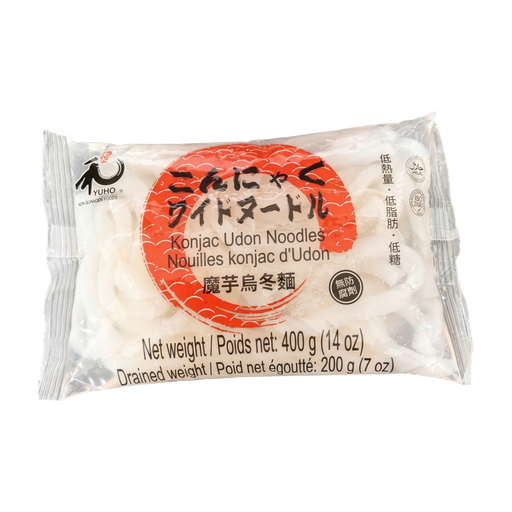
- Why It Stands Out: Made primarily from konjac flour, these noodles are a game-changer for anyone monitoring their calorie intake. With just 6 kcal per 100g, they provide the satisfying volume of a noodle dish without the heavy carbohydrate load. Their texture is smooth and elastic, mimicking traditional udon well.
- Pros:
- Extremely low in calories and carbohydrates.
- High in dietary fibre.
- Quick to prepare—simply rinse and add to your dish.
- Versatile for use in cold noodle salads, soups or stir-fries.
- Who is it for: Anyone on a low-calorie, low-carb or ketogenic diet, or those simply looking for a lighter alternative to traditional wheat noodles.
For the Culinary Explorer: HANAYAMA Onihimokawa Udon Noodles 200g
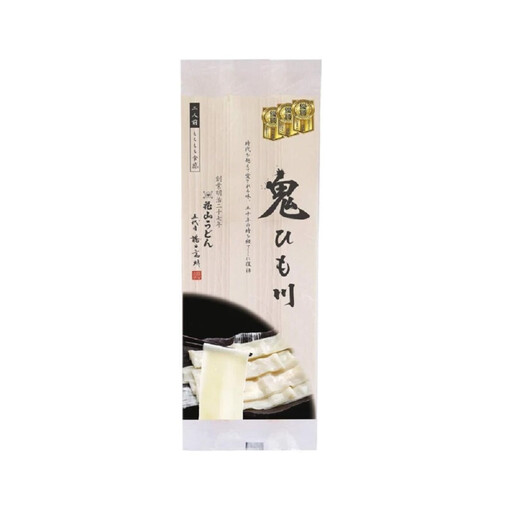
- Why It Stands Out: These are not your average udon. The "Onihimokawa" style refers to their exceptionally broad, flat shape, making them a truly unique wide udon noodle. Crafted in Japan from premium wheat flour, they offer an authentic taste and a wonderfully hearty, chewy texture.
- Pros:
- Distinctive wide, flat shape for a substantial bite.
- Made in Japan with high-quality wheat flour.
- Simple, clean ingredients: Wheat Flour, Salt.
- Excellent for hot pots (nabe), rich curry udon or simple dipping sauces.
- Who is it for: Foodies and adventurous home cooks who appreciate premium ingredients and want to experience a unique and authentic style of Japanese udon noodles.
For Family Meals and Value: Sajo Sanuki Udon Noodle 1,150g
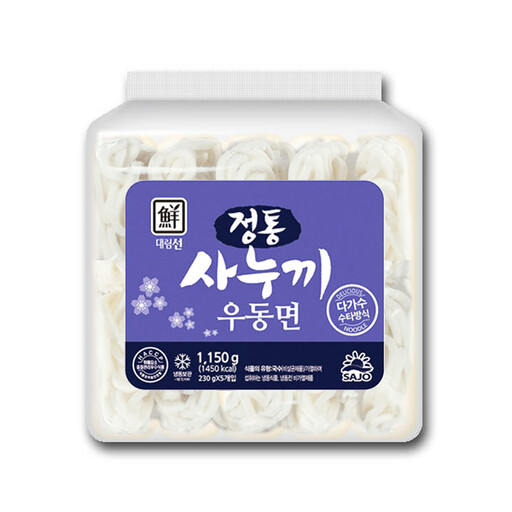
- Why It Stands Out: This generous 1,150g pack delivers on both quantity and quality. It features the classic Sanuki udon style, renowned for its satisfyingly firm and springy texture. As they are fresh, pre-cooked noodles, they are incredibly convenient for whipping up a meal in minutes.
- Pros:
- Excellent value with a large pack size ideal for families or batch cooking.
- Authentic chewy and bouncy Sanuki-style texture.
- Convenient and quick to cook, perfect for busy weeknights.
- A versatile pantry staple for soups, salads and stir-fries.
- Who is it for: Families, value-conscious shoppers and anyone who loves the classic chew of Sanuki udon and wants a reliable, convenient option on hand.
Looking for More Options?
While these selections cover a range of tastes and needs, the world of udon is vast. From different regional styles to varying thicknesses and ingredients, there is always more to discover.
If you are still exploring or have a specific type in mind, browse our full collection of Japanese Udon Noodles to find your perfect match.
Frequently Asked Questions About Udon Noodles
What is the difference between udon and ramen? The primary difference lies in their ingredients and texture. Udon noodles are thick, soft and chewy, made simply from wheat flour, water and salt. Ramen noodles are generally thinner and firmer. They are made with an alkaline agent called kansui, which gives them a distinct springiness and a slightly yellowish hue.
Are udon noodles healthy? Traditional wheat udon noodles are a source of carbohydrates, which provide energy. Their overall health impact depends on portion size and preparation. A simple udon soup with vegetables can be a comforting and balanced meal. For a lighter choice, konjac udon is an excellent alternative, as it is very low in calories and carbohydrates while being high in beneficial dietary fibre.
How do you cook fresh udon noodles? Most vacuum-packed fresh udon noodles are already cooked. They typically only require a brief boil (around 1-3 minutes) to heat through and loosen the strands. After that, they can be drained and added directly to a hot broth or a stir-fry pan. Always refer to the specific instructions on the packaging, as cooking times can vary slightly between brands.