
Our Top Recommendations for Tampons in the UK for 2026
Navigating the feminine hygiene aisle can feel overwhelming. With so many types of tampons available, from organic options to different applicator styles, choosing the right one for your needs can be a challenge. This guide is designed to cut through the clutter, offering clear, practical information to help you find reliable and comfortable period protection that suits your flow, lifestyle and personal preferences.
We'll explore the key factors to consider when making your choice and highlight a few standout products that cater to different priorities, whether that's sustainability, comfort or leak prevention.
How to Choose the Right Tampons for You
Making an informed decision comes down to understanding a few key features. Considering these points will help you select a product that provides comfort and confidence throughout your cycle.
1. Understanding Absorbency Levels
Tampon absorbency is standardised across the industry to help you choose the correct level for your menstrual flow. Using a tampon with a higher absorbency than you need is not recommended. It's always advisable to use the lowest absorbency that manages your flow effectively.
- Light/Regular: Suitable for the beginning or end of your period when flow is lighter.
- Super: Designed for days with a heavier flow.
- Super Plus/Ultra: For very heavy flow days.
Many people find it useful to have a couple of different absorbencies on hand to match their changing flow.
2. Applicator vs. Non-Applicator Tampons
This choice often comes down to personal preference, comfort and convenience.
- Tampons with Applicator: These typically come with a plastic or cardboard tube that helps with insertion. Many find them easier and more hygienic to use, especially when starting out. Plastic applicators are often designed with smooth, rounded tips for enhanced comfort.
- Non-Applicator Tampons: These are more compact and discreet, making them easy to carry in a pocket or small purse. They also generate less packaging waste, which is a key consideration for those seeking more eco-friendly tampons. Insertion is done digitally (with your finger), which some users find gives them more control over placement.
3. Materials and Skin Sensitivity
If you have sensitive skin, the materials used in a tampon are an important factor. Many brands now offer products made from 100% organic cotton, which is free from chlorine bleaching, pesticides and fragrances. These organic tampons are designed to be gentle on the skin and reduce the risk of irritation, making them a popular choice for those with tampons for sensitive skin in mind.
Our Top Recommendations for 2026
Based on their features, materials and user-focused design, here are some of our top recommendations available on Joybuy.
Flo Organic Tampons 14 Pieces

Why It Stands Out: Flo offers a product that prioritises both personal health and environmental responsibility. The use of 100% organic cotton makes them a great option for those with sensitive skin, while the plant-based, BPA-free applicator and compostable wrapper appeal to the eco-conscious consumer.
Pros:
- Made from pure organic cotton, free from harsh chemicals.
- Features a smooth, plant-based applicator for comfortable insertion.
- Environmentally friendly with a compostable wrapper.
- Specifically designed to be gentle and suitable for sensitive skin.
Who is it for? This is an excellent choice for individuals seeking a natural, sustainable and skin-friendly period care option without compromising on performance.
Lil-Lets Non-Applicator Tampons Regular 6 x 16 tampons
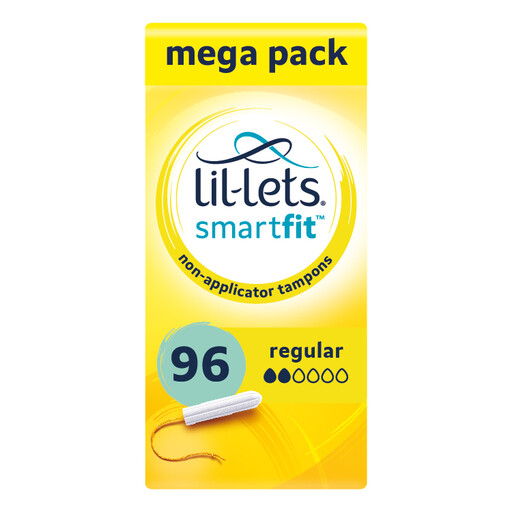
Why It Stands Out: Lil-Lets non-applicator tampons are designed for discretion and practicality. Their compact size makes them incredibly portable, and the absence of an applicator means less waste. This bulk pack offers great value, ensuring you are well-stocked for several cycles.
Pros:
- Compact and discreet for easy carrying and use on the go.
- Regular absorbency tampons suitable for light to medium flow.
- Reduces packaging waste compared to applicator tampons.
- Soft, natural materials provide a comfortable fit.
Who is it for? Ideal for experienced tampon users who value discretion and a more environmentally conscious product, as well as those looking for a cost-effective bulk purchase.
Tampax Pearl Regular Tampons With Applicator 18 Pads
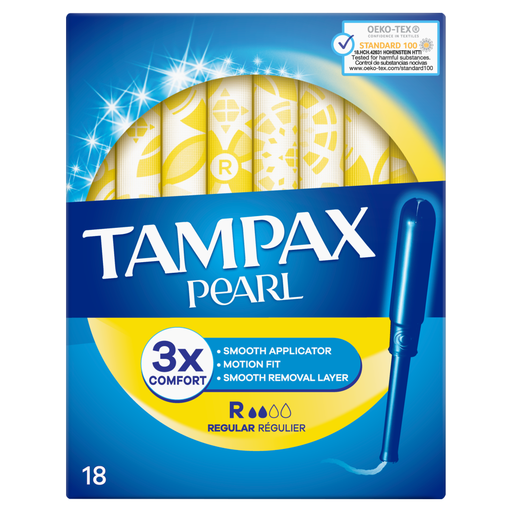
Why It Stands Out: Tampax Pearl is engineered with a focus on preventing leaks and ensuring comfort. The unique LeakGuard braid provides an extra barrier against leaks, while the MotionFit technology allows the tampon to adapt to your body's shape. The SmoothTouch plastic applicator is designed for easy, controlled insertion.
Pros:
- Features a LeakGuard braid for added protection, making them one of the best tampons for leaks.
- Smooth plastic applicator with an anti-slip grip for comfortable and easy use.
- Gynaecologically tested and certified by Oeko-Tex for harmful substances.
- Discreet, quiet-opening wrapper.
Who is it for? A strong choice for those who prioritise leak-proof protection and ease of use, particularly individuals with an active lifestyle who need a reliable product that moves with them.
Looking for More Options?
Everyone's needs are different, and the right product for you might vary. If you're looking for different absorbencies, brands or other types of period care, you can explore our full range of feminine hygiene products.
Browse our complete Hygiene products category
Frequently Asked Questions
1. How often should I change my tampon? It is recommended to change your tampon every 4 to 8 hours. You should never leave a tampon in for more than 8 hours. Tampons are associated with Toxic Shock Syndrome (TSS), a rare but serious illness. Following the usage guidelines, including using the lowest absorbency for your flow, can help minimise this risk.
2. Can you sleep with a tampon in? Yes, you can sleep with a tampon in, provided you do not exceed the 8-hour limit. It's a good practice to insert a fresh tampon just before you go to bed and change it immediately upon waking up. If you typically sleep for more than 8 hours, it is safer to use a sanitary pad instead.