
Your Guide to the Right Resistance Bands: Our Top Recommendations for 2026
Resistance bands have become a staple in home gyms and kit bags across the UK, and for good reason. These simple, portable tools offer a surprisingly effective way to add challenge to your workouts, whether you're focusing on strength, flexibility or rehabilitation. However, with so many types available—from thin latex loops to heavy-duty fabric bands—choosing the right set can feel overwhelming.
As the Joybuy Product Recommendation Officer, my role is to help you navigate these choices. This guide will walk you through the key features to consider and present a selection of resistance bands to help you find a suitable match for your fitness goals.
How to Choose the Right Resistance Bands for Your Workout
Before you add a set to your basket, let's break down the three most important factors to consider. Understanding these will ensure you select a product that works for you.
1. Material Matters: Fabric vs. Latex vs. TPE
The material of an exercise band directly impacts its feel, performance and durability.
- Latex: This is the traditional material for loop resistance bands. Latex offers excellent elasticity and a wide range of resistance levels, from very light to extra heavy. This makes it a versatile choice for everything from physical therapy bands to more intense strength training. The main drawback is that they can sometimes roll up during leg exercises and may cause reactions in individuals with latex allergies.
- Fabric: Often called booty bands or glute bands, these are typically made from a blend of cotton and elastic. Fabric resistance bands are wider and more robust, offering a non-slip grip that prevents them from rolling or pinching. They generally provide higher resistance, making them a popular choice for lower-body exercises like squats and hip thrusts.
- TPE (Thermoplastic Elastomer): A synthetic alternative to latex, TPE is a great option for those with allergies. These bands are often odour-free, soft to the touch and still provide good stretchability and durable resistance for a variety of workouts.
2. Finding Your Strength: Resistance Levels Explained
Most resistance bands for working out come in a set with varying levels of tension, usually indicated by colour. A typical resistance bands set might include:
- Extra Light / Light: Ideal for beginners, rehabilitation exercises and warming up.
- Medium: A good all-rounder for general strength and conditioning.
- Heavy / Extra Heavy: Suited for experienced users and for targeting large muscle groups like the legs and glutes.
Having a set with multiple levels allows you to progress as you get stronger and use the appropriate resistance for different muscle groups—for example, a lighter band for shoulder exercises and a heavier one for leg bands for workout routines.
Our Top Recommendations for Resistance Bands in 2026
Based on their features and intended use, here are a few options that cater to different fitness needs and preferences.
5PK Mini Loop Resistance Band 5cm Wide*circumference 60cm
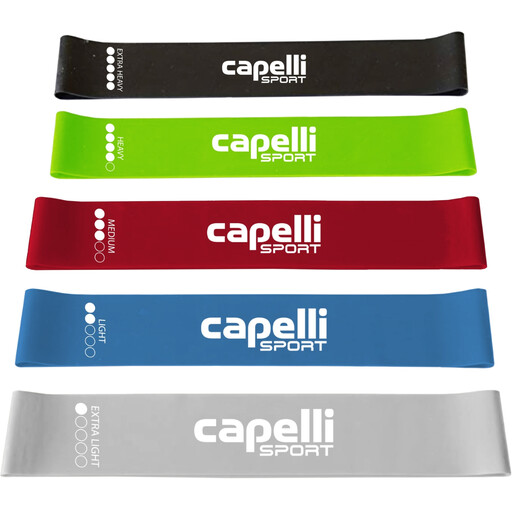
Why It Stands Out: This is a classic and highly versatile resistance bands set. Made from durable latex, it includes five distinct resistance levels, making it a comprehensive kit for anyone starting their fitness journey or needing a range of options for physical therapy and full-body workouts.
Pros:
- Five colour-coded resistance levels (Extra Light to Extra Heavy) for clear progression.
- Made from heavy-duty latex designed for elasticity and durability.
- Includes a portable travel bag for workouts at home, in the gym or on the go.
- Versatile enough for yoga, pilates, strength training and injury rehabilitation.
Who is it for? This set is a practical choice for beginners, individuals undergoing physical therapy or anyone seeking a single, all-encompassing kit that can adapt to various exercises and fitness levels.
Good Nite Resistance Bands 3 Level Booty Bands
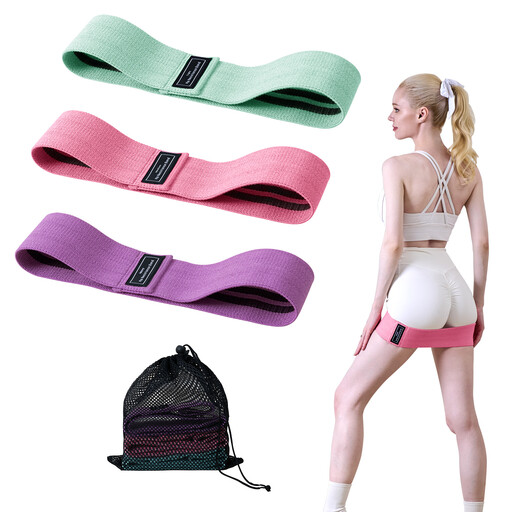
Why It Stands Out: Specifically designed as glute bands, this set from Good Nite tackles the common issue of bands rolling up during exercise. The high-quality cotton fabric construction provides a secure, non-slip grip, allowing you to focus on your form during intense leg and glute workouts.
Pros:
- Non-slip fabric material that stays in place during squats, lunges and hip thrusts.
- Three distinct resistance levels (Light, Medium, Heavy) tailored for lower-body training.
- Durable and skin-friendly cotton construction for comfortable use.
- Ideal for targeted booty bands workouts at home or in the gym.
Who is it for? Anyone who focuses on lower-body strength training and wants a reliable, non-slip band that provides substantial resistance for shaping and strengthening legs and glutes.
Capelli Sport 3PK Loop Resistance Band
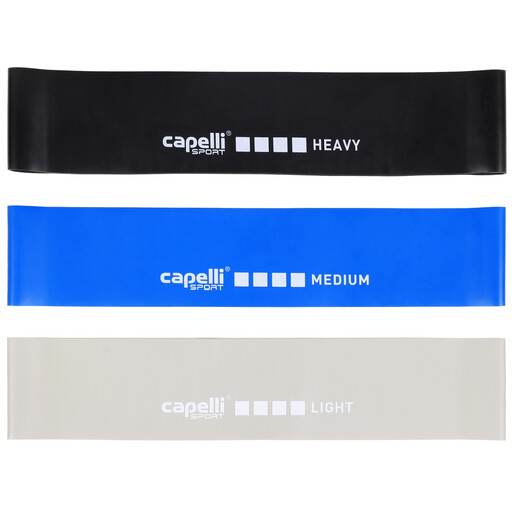
Why It Stands Out: This set from Capelli Sport is made from TPE, a synthetic material that serves as an excellent alternative to latex. These bands are odour-free, soft to the touch and offer great stretchability, making them a comfortable and practical choice for those with latex sensitivities.
Pros:
- Latex-free TPE material that is soft, durable and has no chemical smell.
- Three resistance levels (light, medium and heavy) suitable for a full range of exercises.
- Wider 10 cm design helps prevent rolling during use.
- Comes with a portable storage bag for convenience.
Who is it for? Users with latex allergies or anyone who prefers a softer, odourless material for their general fitness, yoga or pilates routines.
Looking for More Options?
If you haven't found the perfect fit here or want to see what other types of exercise bands are available, there are many more to discover. From tube bands with handles to longer bands for assisted pull-ups, the right tool for your workout is out there.
Explore our full collection of resistance bands on Joybuy
Frequently Asked Questions about Resistance Bands
Are fabric or latex resistance bands better?
Neither is definitively "better"—it depends on your workout. Latex bands offer superior stretch and a wider range of lighter resistances, making them more versatile for full-body workouts and rehabilitation. Fabric bands provide a non-slip grip and typically higher resistance, making them a popular choice for lower-body exercises where bands rolling up can be an issue.
What resistance band should a beginner use?
A beginner should always start with the lightest resistance band in a set to master proper form and avoid injury. A resistance bands set is highly recommended for beginners, as it allows you to gradually increase the challenge as you build strength. The lightest band is often colour-coded as yellow or green.
Can you build muscle with resistance bands?
Yes, you can absolutely build muscle with resistance bands. The key is applying the principle of progressive overload. This means you must consistently challenge your muscles by increasing the difficulty. With bands, you can do this by moving to a higher resistance level, performing more repetitions or reducing rest time between sets.