
Finding Your Perfect Ergonomic Baby Carrier: Our Top Recommendations
As a new parent, keeping your baby close is a natural instinct. Yet, daily life in the UK, from navigating the supermarket to simply making a cup of tea, requires your hands to be free. An ergonomic baby carrier offers a practical solution, promoting bonding while giving you back your mobility. But with so many options, how do you choose one that supports both your baby's development and your own comfort?
This guide is designed to help you understand the key features of a high-quality ergonomic baby carrier. We will explore what makes a carrier comfortable and safe, and present some of our top recommendations to help you make an informed choice for your family.
What to Look for in an Ergonomic Baby Carrier
Choosing the right carrier involves more than just colour and price. Here are a few essential factors to consider to ensure comfort and support for both you and your little one.
1. Hip-Healthy Design for Your Baby
A crucial feature of any quality carrier is its support for healthy hip development. Look for a carrier that allows your baby to sit in a natural "M" position. This means their knees are spread apart, with their thighs supported and their hips bent so their knees are slightly higher than their bottom. This posture is widely recognised for promoting healthy hip joint development. A carrier that is a hip healthy baby carrier will have a wide, supportive seat base to maintain this position as your child grows.
2. Comfort and Support for the Wearer
A carrier might be perfect for your baby, but if it causes you discomfort, you are less likely to use it. A comfortable baby carrier should distribute the baby's weight evenly across your hips and shoulders, rather than concentrating it on your back. Features like a baby carrier with lumbar support—often a padded, structured waistbelt—can make a significant difference in preventing lower back strain. Padded shoulder straps and an adjustable chest clip also help to create a custom, secure fit, making it a more suitable baby carrier for back pain concerns.
3. Material and Versatility
The carrier's material affects comfort, durability and maintenance. Pure cotton is soft, naturally hypoallergenic and easy to clean. For parents who are often on the move or for use during warmer months, a breathable baby carrier made with air-mesh fabrics can provide better ventilation to keep both you and your baby cool. Also, consider a newborn to toddler carrier with adjustable settings that can adapt to your child's growth, offering better long-term value.
Our Top Product Recommendations
Here are a few ergonomic baby carriers that incorporate the features we've discussed, making them excellent considerations for new parents.
Momcozy Leopard Ergonomic Baby Carrier
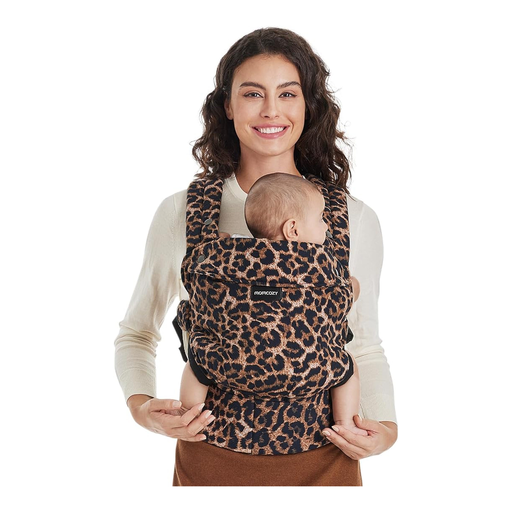
Why It Stands Out: This Momcozy baby carrier combines a bold, stylish leopard print with practical, parent-focused ergonomics. The X-shaped back design is engineered to distribute weight evenly across the shoulders and back, reducing localised pressure points.
-
Pros:
- Made from 100% pure cotton, making it soft and machine washable.
- Features built-in EVA lumbar support to minimise back pressure.
- Three adjustable positions support babies from 7 to 44 lbs (approx. 3 to 20 kg).
- Promotes the ergonomic "M" sitting position for healthy development.
-
Who is it for? Style-conscious parents who want a carrier that makes a statement without compromising on comfort or ergonomic support for daily use.
Momcozy Ergonomic Baby Carrier, Khaki
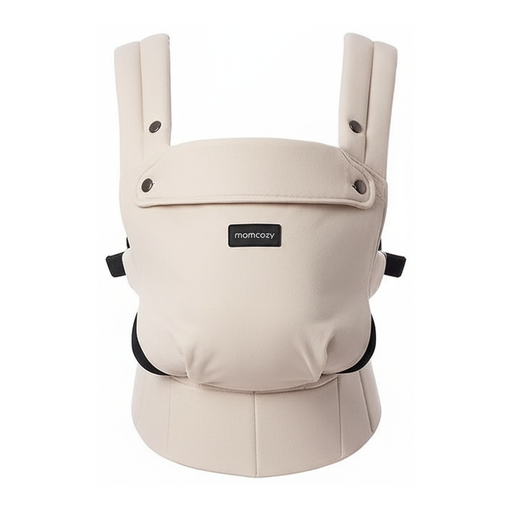
Why It Stands Out: With its understated solid khaki colour, this carrier is a versatile choice for any parent. It focuses heavily on providing a hands-free baby carrier experience with enhanced support systems, including a robust EVA waist panel for lumbar reinforcement.
-
Pros:
- Innovative X-shaped back design for even weight distribution.
- Three adjustable sizing positions accommodate a growing child (7-44 lbs).
- Thickly padded shoulder straps and leg openings for added comfort.
- Ensures a secure ergonomic "M" position for baby.
-
Who is it for? Parents seeking a practical, highly supportive carrier with a neutral design that is suitable for everyday errands and longer walks. It also makes a thoughtful and useful choice when looking for gifts for new mums.
Momcozy Breathable Air Mesh Baby Carrier, Black
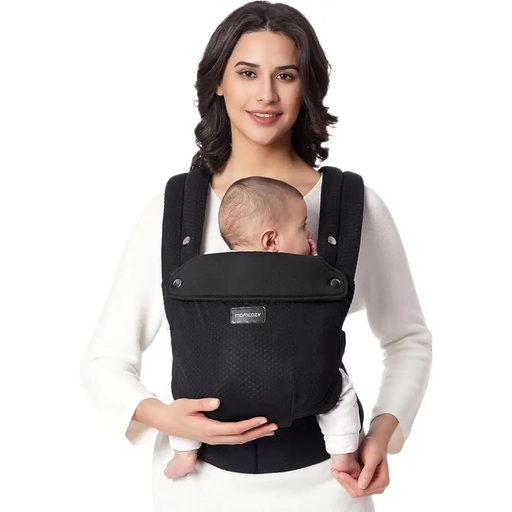
Why It Stands Out: Specifically designed with warmer weather and active lifestyles in mind, this carrier features an Air Mesh panel and cooling neck fabric. This breathable baby carrier helps maintain airflow, keeping both parent and baby more comfortable during outdoor activities or on stuffy public transport.
-
Pros:
- Air Mesh fabric for superior ventilation.
- Maintains all the core ergonomic features, including the X-shaped back and EVA waist support.
- Grows with your child from 7 to 44 lbs (approx. 3 to 20 kg).
- Lightweight design ideal for travel and summer outings.
-
Who is it for? Active parents, those living in warmer areas or anyone concerned about overheating during the summer months will find this carrier particularly useful.
Looking for Other Travel Solutions?
A baby carrier is an indispensable tool for keeping your baby close and your hands free. However, for longer day trips, holidays or when you need to carry more than just your baby, a different solution might be in order.
If you are planning your next family adventure, you may also want to explore our range of lightweight travel stroller options, designed for portability and convenience.
Frequently Asked Questions
1. How do I know if a baby carrier is truly ergonomic? An ergonomic carrier should support your baby in a natural "M" or "froggy" position, where their knees are higher than their bottom. For the wearer, it should have wide, padded shoulder straps and a supportive waistbelt that distributes the baby's weight across your hips and core, not just your shoulders or back.
2. At what age can my baby start using a carrier? Most structured carriers, like the ones featured here, are designed for babies who have good head and neck control, typically starting from around 7 lbs (approx. 3.2 kg). Always check the manufacturer's specific weight and age recommendations. The models we've highlighted are suitable for babies from 7 lbs up to 44 lbs (approx. 20 kg), making them a versatile newborn to toddler carrier.
3. Can an ergonomic baby carrier help with my back pain? While a carrier is not a medical device, an ergonomic design can significantly improve comfort. Features like a baby carrier with lumbar support and an even weight distribution system are specifically engineered to reduce strain on your back, shoulders and core. By transferring the baby's weight to your hips, it helps you maintain a better posture while carrying them.