
Breathe Easier: Our Top Recommendations for an Air Purifier for Allergies and Dust in 2026
From the seasonal misery of hay fever to the year-round presence of dust and pet dander, maintaining clean indoor air can feel like a constant battle for many UK households. If you find yourself sneezing, coughing or dealing with irritated eyes at home, you are not alone. An effective home air purifier can make a significant difference by capturing these airborne irritants before they settle.
As a Joybuy Product Recommendation Officer, my role is to help you navigate the options. This guide cuts through the marketing clutter to provide clear, practical advice, helping you select a device that genuinely suits your home and health needs. We will explore key features to look for and highlight a few standout models for different spaces and requirements.
Choosing the Right Air Purifier: A Practical Guide
Before diving into specific products, understanding a few key concepts will empower you to make a well-informed choice.
1. Focus on Filtration: The Power of HEPA
When your goal is tackling allergens, the type of filter is paramount. Look for models equipped with a HEPA air purifier filter. HEPA stands for High-Efficiency Particulate Air. By standard, these filters are designed to capture at least 99.97% of airborne particles down to 0.3 microns in size. This includes common culprits like dust mites, pollen, pet dander and mould spores, making it a crucial feature for any air filter for dust removal. Many units also include an activated carbon layer, which is particularly effective as an air cleaner for smoke and household odours.
2. Match the Purifier to Your Room Size (CADR)
An air purifier is only effective if it can handle the size of your room. This is measured by the Clean Air Delivery Rate (CADR). CADR indicates how quickly the purifier can clean a room of a specific size, with separate ratings for smoke, dust and pollen. As a general rule, you should choose a model with a CADR rating that is roughly two-thirds of your room's floor area. This ensures the air is circulated and cleaned multiple times per hour. Whether you need a small room air purifier for a home office or a large room air purifier for an open-plan living area, checking the CADR is essential.
3. Consider Noise Levels and Smart Features
If the purifier is for your bedroom, a quiet air purifier for bedroom use is non-negotiable. Check the decibel (dB) rating, especially for the lowest fan setting or a dedicated 'sleep mode'. Many modern units operate at a whisper-quiet level. Additionally, a smart air purifier can offer significant convenience. Features like app control, automatic modes that adjust fan speed based on real-time air quality sensors and voice assistant compatibility can help you maintain clean air effortlessly.
Our Top Recommendations for 2026
Here are our recommendations, selected to meet a range of needs from personal spaces to large family rooms.
Levoit Core Mini Air Purifier
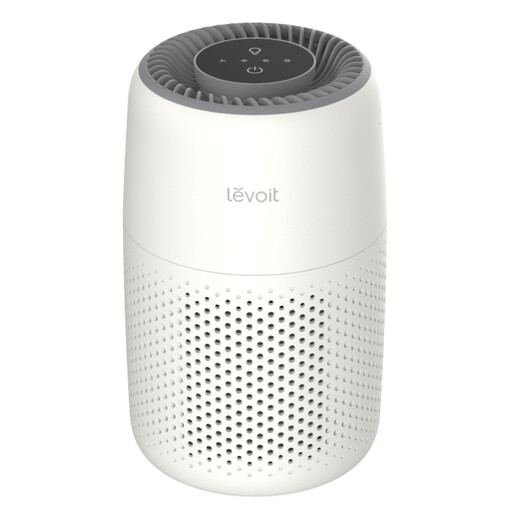
Why It Stands Out: The Levoit Core Mini is a master of personal space purification. Its 3-stage filtration system, combining a pre-filter, particle filter and activated carbon layer, efficiently tackles dust and light odours in smaller areas. Its most notable feature is its near-silent operation, starting at just 25 dB, making it an ideal companion for your nightstand or desk.
Pros:
- Ultra-Quiet: Perfect for light sleepers and quiet office environments.
- Compact & Portable: Its small footprint allows it to fit almost anywhere.
- Aromatherapy: Includes a built-in aroma pad to add a few drops of essential oil for a pleasant fragrance.
- Energy Efficient: Consumes very little power, making it suitable for continuous operation.
Who is it for? This model is an excellent choice for individuals seeking a small room air purifier for a personal space like a bedroom, nursery or home office up to 15 m².
BLUEAIR Blue Pure 511i Max
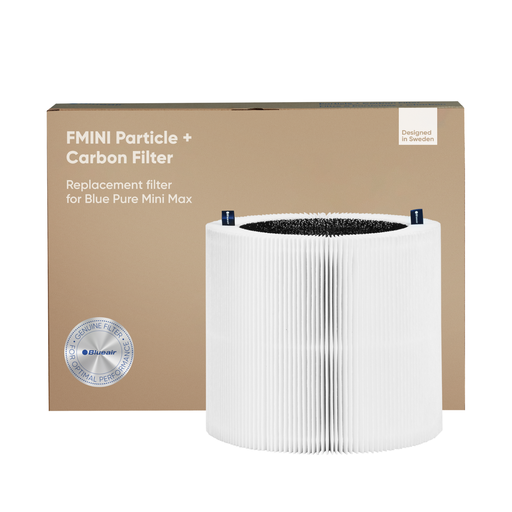
Why It Stands Out: The BLUEAIR Blue Pure 511i Max combines Scandinavian design with smart technology. It is designed for rooms up to 43 m² and uses HEPASilent technology, which the brand states offers high performance with less noise and energy than traditional HEPA filters. Its smart capabilities are a key benefit, with the Blueair app allowing for scheduling, air quality monitoring and accurate filter life tracking.
Pros:
- Smart Control: Manage settings, view air quality and track filter life via the app and voice assistants.
- Quiet Performance: Features a Night mode that operates at just 19 dB with dimmed lights.
- Efficient Filtration: The combination of mechanical and electrostatic filtration captures a wide range of particles.
- Customisable Design: Comes with a washable fabric pre-filter, with other colours available to match your décor.
Who is it for? Ideal for tech-savvy users and families who want a smart air purifier for medium-sized bedrooms or living rooms. It's a great all-rounder for managing dust, allergens and light odours from pets.
Xiaomi Smart Air Purifier Elite UK
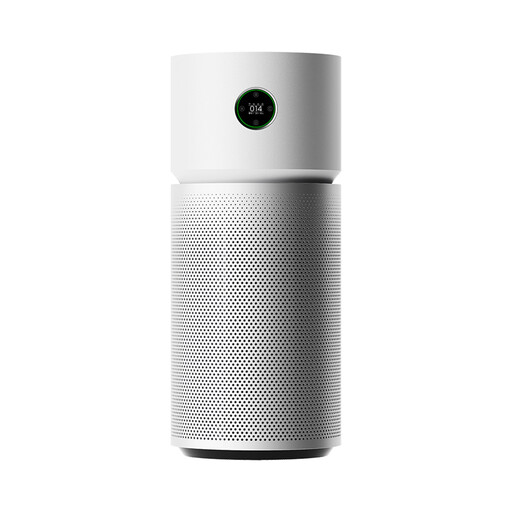
Why It Stands Out: For those needing serious performance in large spaces, the Xiaomi Smart Air Purifier Elite UK is a powerful contender. It boasts a very high CADR of 600m³/h, making it suitable for areas up to 125 m². Beyond its three-in-one filtration, it incorporates UV-C LED and plasma technology to neutralise airborne viruses and bacteria. Its dual-effect sensor monitors both large (PM10) and fine (PM2.5) particles, providing a comprehensive overview of your air quality.
Pros:
- Powerful Coverage: An excellent large room air purifier for open-plan homes.
- Advanced Technology: UV-C and plasma offer an additional layer of air sterilisation.
- Detailed Monitoring: The OLED display and app show real-time PM2.5/PM10 levels, temperature and humidity.
- TÜV Rheinland Certified: Independently certified for its effectiveness in capturing allergens.
Who is it for? This is the go-to option for households with large living areas, severe allergy sufferers or air purifier for pets owners who require maximum purification power and advanced features.
Looking for More Options?
If these models aren't quite what you're looking for, or if you'd like to compare a wider range of features and sizes, we have more to explore.
Discover our full collection of Air Purifiers at Joybuy UK
Frequently Asked Questions
1. Do air purifiers really help with dust and allergies? Yes, particularly models with HEPA filters. They work by trapping airborne particles like dust, pollen, pet dander and mould spores, removing them from the air you breathe. This can significantly reduce the concentration of allergens in a room and help alleviate symptoms.
2. Where is the best place to put an air purifier? For optimal performance, place your air purifier in the room where you spend the most time, such as the bedroom or living room. Position it with at least 30-50 cm of clear space on all sides to ensure proper air circulation. Avoid placing it in a corner or directly against a wall.
3. How long should I run an air purifier for allergies? For the most effective results, it is recommended to run your air purifier continuously, 24 hours a day. Modern air purifiers are designed to be energy-efficient, and continuous use ensures that allergen levels are kept consistently low. If continuous use isn't practical, running it for several hours while you are in the room, especially overnight, is still highly beneficial.